






 Portuguese
  Spanish


Volkswagen Revealed A Restructuring Plan That Will Result In The Layoff Of 35 Thousand Employees In Germany By 2030. The Agreement, Reached After Intense Negotiations With The IG Metall Union, Aims To Face Challenges Such As The Transition To Electric Vehicles And The Competition From Asian Manufacturers, Seeking To Secure The Competitiveness And Sustainability Of The Company In The Global Market.
Volkswagen, One Of The Largest Automotive Conglomerates In The World, Recently Announced A Restructuring Plan That Includes The Layoff Of 35 Thousand Employees By 2030.
The Decision, Resulting From Intense Negotiations With The IG Metall Union, Reflects The Growing Challenges Faced By The Global Automotive Industry.
The Transition To Electric Vehicles, Digitalization, And The Competition From Asian Manufacturers Are Highlighted As The Main Factors That Led The Automaker To Adopt Drastic Measures.
-
Itaú Alters Hybrid Work Model, Increasing Office Days from 2028, Prompting Employees to Adjust to New Routine

-
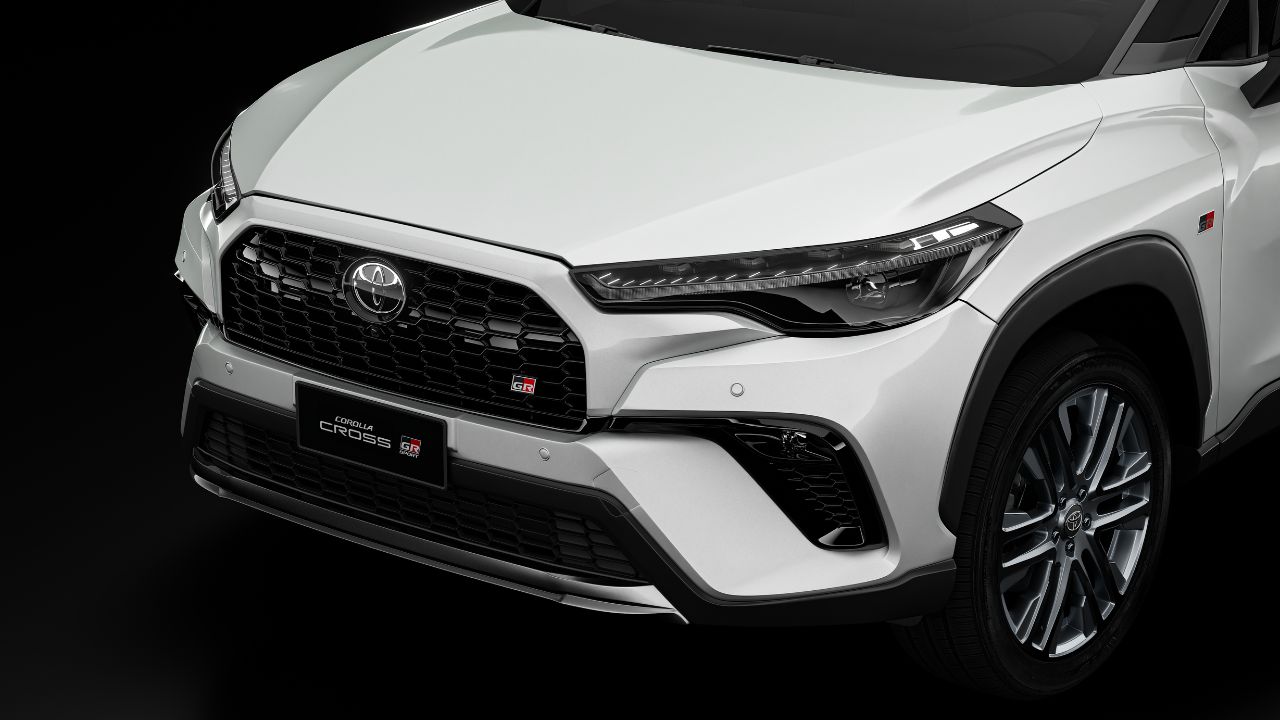
2027 Toyota Corolla Cross Unveiled: New Design, Enhanced Fuel Efficiency, Reduced Maintenance Costs, Advanced Technology, Connected Services, and Up to 10-Year Warranty

-
Facing Labor Shortage, Japan Plans to Invest $34 Million to Attract Foreign Workers in Construction, Healthcare, Industry, and Commerce
-
Fiat Cronos Precision 2018: Affordable Sedan with Spacious Trunk and Reliable Maintenance



Impact In Germany And The Global Market
Headquartered In Wolfsburg, Germany, Volkswagen Currently Employs More Than 675 Thousand People Worldwide.
However, The Restructuring Plan Focuses Primarily On German Operations, Which Will Be Most Affected By The Layoffs.
The Decision To Reduce The Workforce In A Country Where The Automotive Sector Is An Economic Pillar Has Generated Concerns Among Workers And Politicians.
Daniela Cavallo, President Of The Volkswagen Workers’ Committee, Stated That The Layoffs Will Be Carried Out In A Socially Responsible Manner, Prioritizing Early Retirement And Voluntary Departures.
Cavallo Also Highlighted That The Agreement Provides For The Maintenance Of Existing Facilities, Without Closing Factories Or Compulsory Layoffs Until The End Of The Decade.
The CEO Of Volkswagen, Oliver Blume, Acknowledged That The Company Faces Significant Pressures To Cut Costs And Improve Competitiveness.
According To Him, “The Company’s Costs Are Very High And The Profit Margins Of The Volkswagen Brand Are Very Low.” The Restructuring, According To Blume, Is A Necessary Step To Ensure The Future Viability Of The Brand.
Changes In Global Production
As Part Of The Restructuring Plan, Volkswagen Will Transfer The Production Of Lower-Value Models To Mexico, Where Labor Costs Are Lower. This Strategy Aims To Increase Profitability In An Increasingly Competitive Global Market.
In Addition, The Production Of The Iconic Golf Model Will Be Discontinued In Germany, Making Room For The Manufacturing Of SUVs Like The Tayron, A Segment That Has More Attractive Profit Margins.
These Measures Reflect A Global Trend In The Automotive Industry To Concentrate Resources On Higher-Demand Vehicles With More Profitable Margins.
However, They Also Raise Questions About The Long-Term Impact On Regions That Economically Depend On The Automotive Sector.
Relationship With Brazil
Although The Initial Focus Of The Restructuring Plan Is In Germany, It Is Inevitable That Other Regions Will Also Be Affected, Including Brazil.
The Country Is One Of The Most Important Markets For Volkswagen In Latin America, With Factories In Locations Such As São Bernardo Do Campo (SP), Taubaté (SP), And São José Dos Pinhais (PR).
These Facilities Play A Vital Role In The Production Of Popular Models Like The Polo And The Virtus, In Addition To Meeting Regional Demand For Affordable Vehicles.
However, The Transition To Electric Vehicles Represents A Significant Challenge For Volkswagen In Brazil, A Market Where The Infrastructure For Electric Vehicles Is Still In The Early Stages Of Development.
Experts Point Out That, While Brazil Is Relatively Protected From Mass Layoffs In The Short Term, The Global Restructuring Of Volkswagen May Lead To A Review Of Local Strategies.
This Could Include The Reorientation Of Production Towards Electric Or Hybrid Models And Potential Adjustments In The Workforce To Align With The Company’s New Global Priorities.
Economic And Social Impact
Volkswagen’s Decision To Reduce Its Workforce By 35 Thousand People By 2030 Is A Reflection Of The Deep Transformations That The Automotive Industry Is Undergoing.
Although The Measure Is Viewed As Necessary To Ensure The Company’s Sustainability, It Also Raises Significant Concerns Regarding Economic And Social Impact.
In Germany, The Automotive Sector Is Responsible For Over 800 Thousand Direct And Indirect Jobs. The Layoffs Planned By Volkswagen Represent A Blow To Regions That Reliably Depend On The Manufacturer’s Activities.
Meanwhile, In Brazil, The Immediate Impact May Be Less Severe, But Uncertainties Surrounding The Future Of Local Production And Employment In The Automotive Sector Remain.
The Transition To Electric Vehicles
One Of The Main Challenges Faced By Volkswagen And Other Automakers Is The Transition To Electric Vehicles.
The Demand For Clean Energy Cars Is Growing Rapidly, Driven By Stricter Environmental Regulations And Shifts In Consumer Preferences.
However, The Transition Also Requires Significant Investments In Research, Development, And Infrastructure.
In Brazil, This Transition Presents Unique Challenges. While The Country Has Made Progress In The Adoption Of Biofuels Like Ethanol, The Infrastructure For Electric Vehicles Is Still Developing.
This Puts Volkswagen In A Complex Position, As It Needs To Balance Its Global Strategy With The Needs And Limitations Of The Brazilian Market.
The Future Of Volkswagen
Despite The Challenges, Volkswagen Remains Optimistic About The Future. The Company Believes That The Measures Taken, Although Painful In The Short Term, Will Allow It To Remain Competitive And Innovative In The Global Market.
The Agreement With The IG Metall Union Was Described As Historic, As It Ensures Stability And Protects Workers’ Rights While Allowing The Company To Adapt To A Constantly Evolving Environment.
Will It Be The End?
The Restructuring Of Volkswagen, With The Layoff Of 35 Thousand Employees By 2030, Marks A Turning Point In The History Of The Company And The Global Automotive Industry.
The Impact Of This Decision Will Be Felt Not Only In Germany But Also In Markets Like Brazil, Where The Transition To Electric Vehicles Presents Significant Challenges.
It Remains To Be Seen Whether These Measures Will Be Sufficient To Ensure The Manufacturer’s Sustainability In An Increasingly Competitive Market.
Do You Believe That Volkswagen Will Be Able To Maintain Its Leading Position In The Global Market After These Changes? Share Your Opinion!







A VW na Alemanha tá precisando de dinheiro e tem o Golf lá, e o Brasil querendo Golf. Vão trazer o Golf GTi, se ela quiser pedir mais de 300 mil no Golf GTI vai ser um tiro na água. Esse carro não tem fôlego para 300 mil. A Honda é a Toyo trouxeram o Civic e o Corolla GR. Vende 6 dúzia por mês. Brasileiro não é **** não.
Como você pode ter chegado a uma conclusão tão infundada sobre o GTI? Querendo 300 mil por um carro que é patrimônio da Volkswagen. Você não tem noção do valor desse veículo e sua históriaUIFont
Não caindo a qualidade, que é padrão alemão, resistirá e virá com novidades robustas.
Lembra da SUW?
Isso é parte do problema. A Alemanha atual é apenas uma peça na agenda de conflitos da OTAN anglo-estadunidense, que obriga a Alemanha (que é militarmente ocupada pelos eeuu) a abrir mão da própria soberania. Nas próximas eleições em fevereiro, a extrema direita e a extrema esquerda alemãs certamente ganharão mais espaço, devido a sua posição contra a manutenção do apoio à continuidade do conflito na Ucrânia, que é primordial para os planos da OTAN anglo-estadunidense.