Portuguese
  Spanish


Volkswagen Group Takes Leadership in Electric Vehicle Market in Germany, Cuts Prices and Plans New Affordable Models to Dominate Electromobility in Europe.
The Volkswagen Group recorded a significant increase in electric vehicle sales in Germany. According to the latest data, nine of the ten most registered models in the country belong to the company.
The growth is seen as a reflection of the decline in sales from Tesla, but also as a result of the strategic work done by Volkswagen in recent months.
Price Reduction and European Progress
One of the main drivers of this growth was the reduction in the prices of electric cars. A clear example comes from Spain, where the Volkswagen ID.3 now costs €29,300, without subsidies or discounts.
-
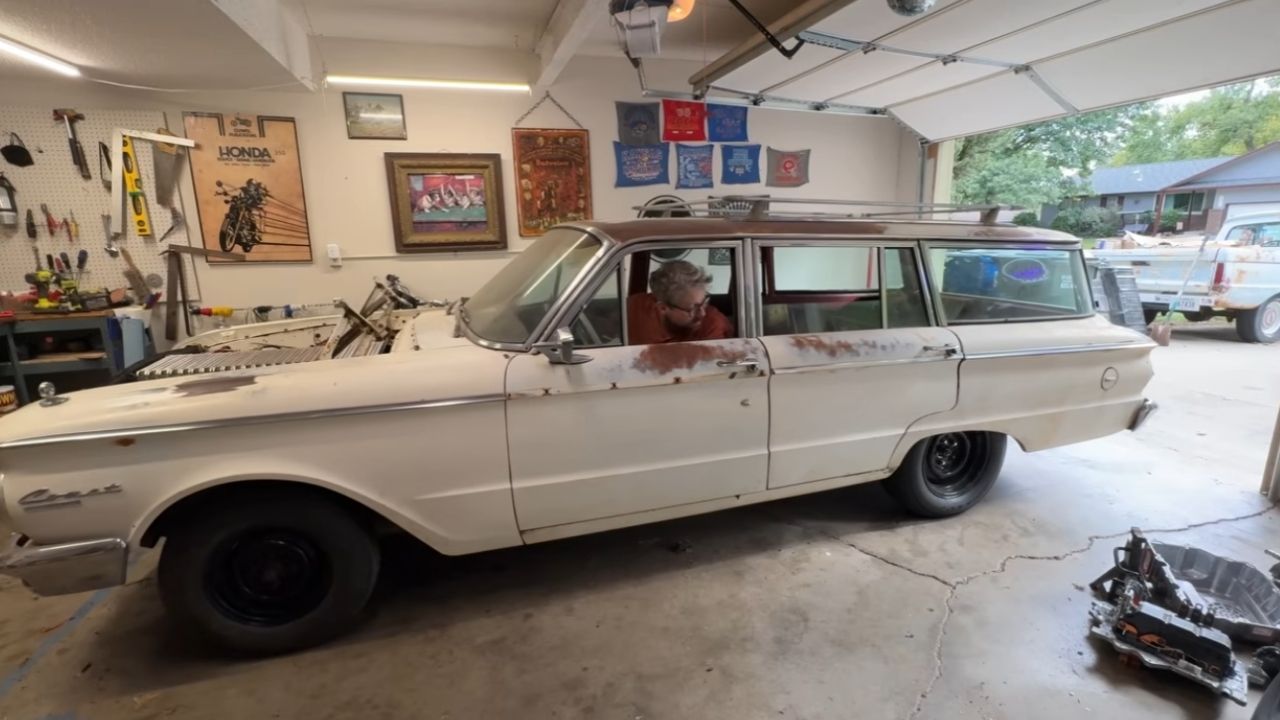
Man Revives 1962 Mercury Comet with Parts from a Damaged Nissan Leaf, Achieving Electric Conversion for Under $6,000

-
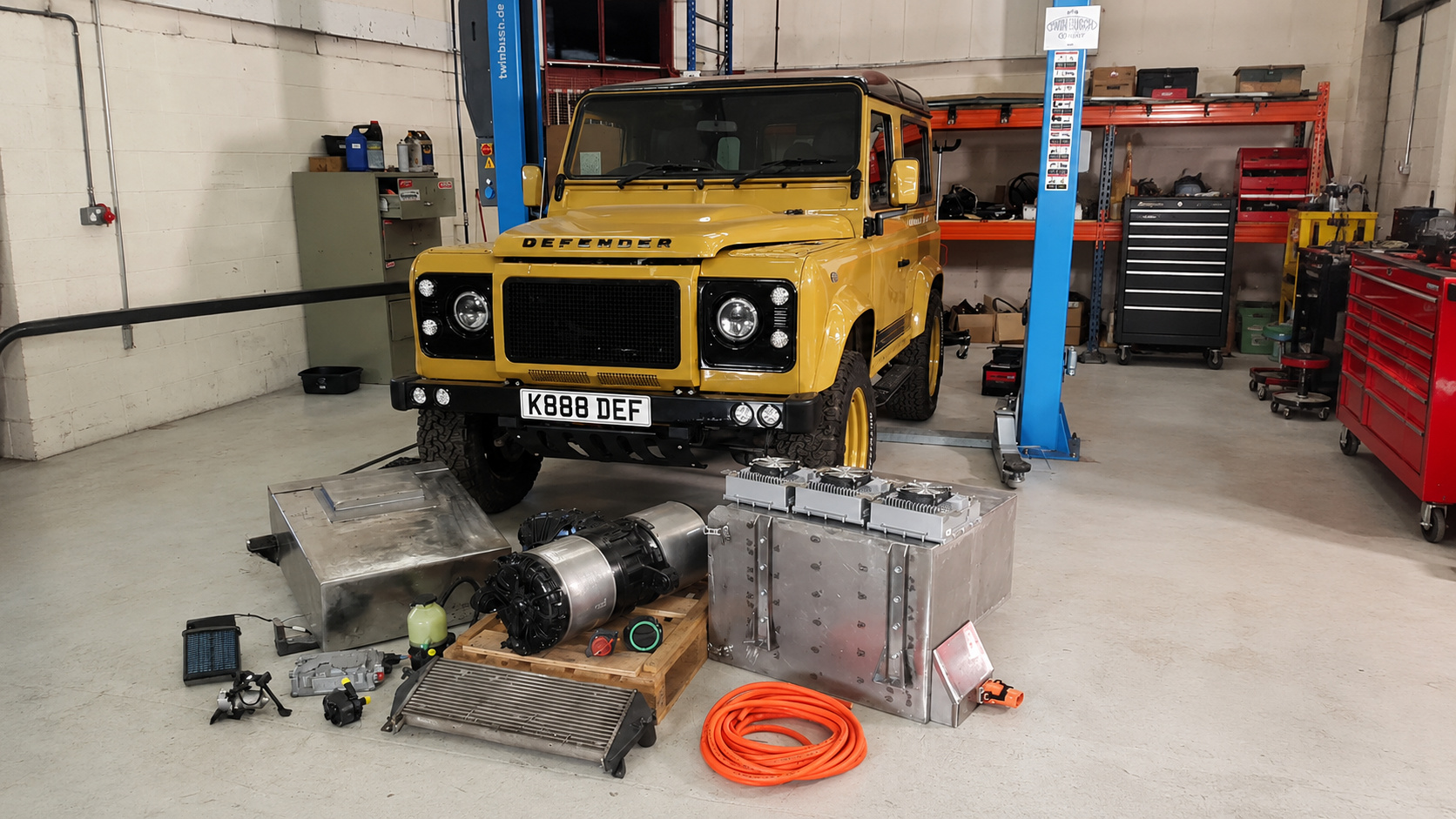
British Mechanics Convert Classic Land Rover Defender to Electric, Maintaining Original Look with 483 Horsepower and 75 kWh Battery

-
Chevrolet Onix Turbo AT 2020: Affordable Used Hatchback with Turbo Engine, Automatic Transmission, and Six Airbags
-
Rolls-Royce Turns Heads with 30-Inch Floating Wheels, 6.6-Liter V12 Engine, and 563 Horsepower


This measure helped expand the brand’s market share in Europe. Still, the group’s goal is more ambitious: to become the top-selling electric vehicle brand on the continent.
Clear Goal: Leadership in Electric Mobility
Martin Sander, sales director of Volkswagen, spoke about the company’s plans in an interview with Auto & Wirtschaft.
He confirmed that the brand is focused on further reducing the costs of electric models.
One of the planned changes is to replace the current chemical composition of batteries, from LFP to NMC, by 2026.
Statements from Martin Sander
Sander was straightforward: “We are clear: the future will be electric. It is already happening in countries like Norway. Our goal is to be leaders in electromobility.”
According to him, Volkswagen wants to lead the segment not only through tradition but also through innovation and strategic planning.
Debate on European Union Rules
Another point discussed by Sander was the European Union legislation for 2035, which foresees the end of the sale of combustion engine vehicles.
He called for a relaxation of the rule, arguing that the goal should be to eliminate local CO2 emissions, with options such as electric and hydrogen-powered cars.
In the coming years, the Volkswagen Group plans to strengthen its presence in strategic markets. One of the focuses will be China, with the launch of a new line of vehicles developed specifically for the country.
Additionally, CEO Oliver Blume revealed that the company is considering launching electric cars with extended range. For him, this type of model has “great potential” for the coming years.