






 Portuguese
  Spanish
  4 min of reading
  0 comments


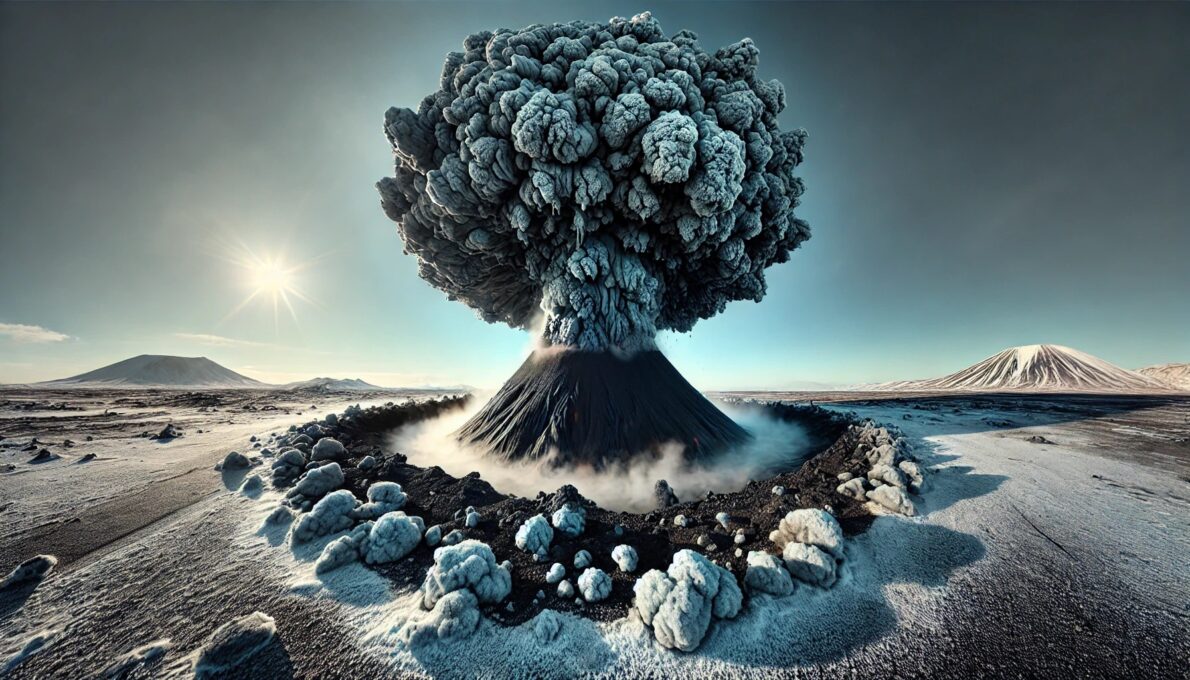
This Unique Volcano in Tanzania Releases Cold Lava and Is Sinking Slowly, Intriguing Scientists and Challenging Our Perceptions of Volcanic Phenomena.
In northeast Tanzania, amidst the stunning Rift Valley, lies Ol Doinyo Lengai, a volcano that defies the traditional understanding of the forces of nature. Known as the most bizarre volcano in the world, it spews black and “cold” lava, with temperatures far below what is expected from an ordinary volcano. This singular natural phenomenon has sparked the interest of scientists and adventurers, intriguing the world with its peculiarities. Continue reading to learn about the peculiarities of this cold lava volcano.
The Cold Lava of Ol Doinyo Lengai
When we think of volcanoes, the image that usually comes to mind is that of glowing rivers of red or orange lava, flowing at temperatures exceeding 900°C. However, the Ol Doinyo Lengai volcano, which stands tall at 2,962 meters, challenges this classic image. It is the only known volcano on Earth that exhales carbonatite magma, a type of lava rich in carbonates, such as calcium and sodium, but low in silica.
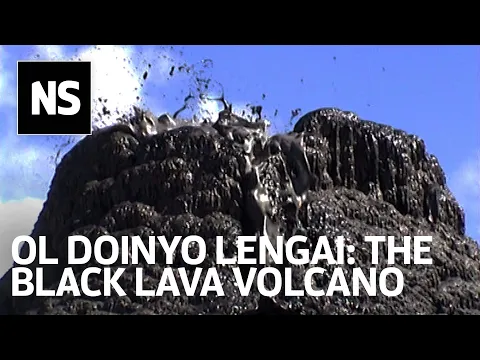

This lava, unlike most, reaches a temperature of only 540°C, making it the coldest lava in the world. Its appearance is equally unusual: when the magma is expelled from the volcano, it has the consistency of a black liquid, resembling motor oil running down the slope. As the lava cools, it changes color, shifting from black to white, creating a scene as impressive as it is peculiar.
-
The owner of Facebook, Mark Zuckerberg, opened his wallet and paid the equivalent of R$ 72.9 billion, or US$ 14.3 billion, to hire a 28-year-old and put him in charge of Meta’s new superintelligence.

-
They wanted artificial intelligence, but they drained the water from a village in Mexico: the water consumption of data centers caused a hepatitis outbreak, and big tech companies Amazon, Microsoft, and Google were forced to halt billion-dollar projects.

-
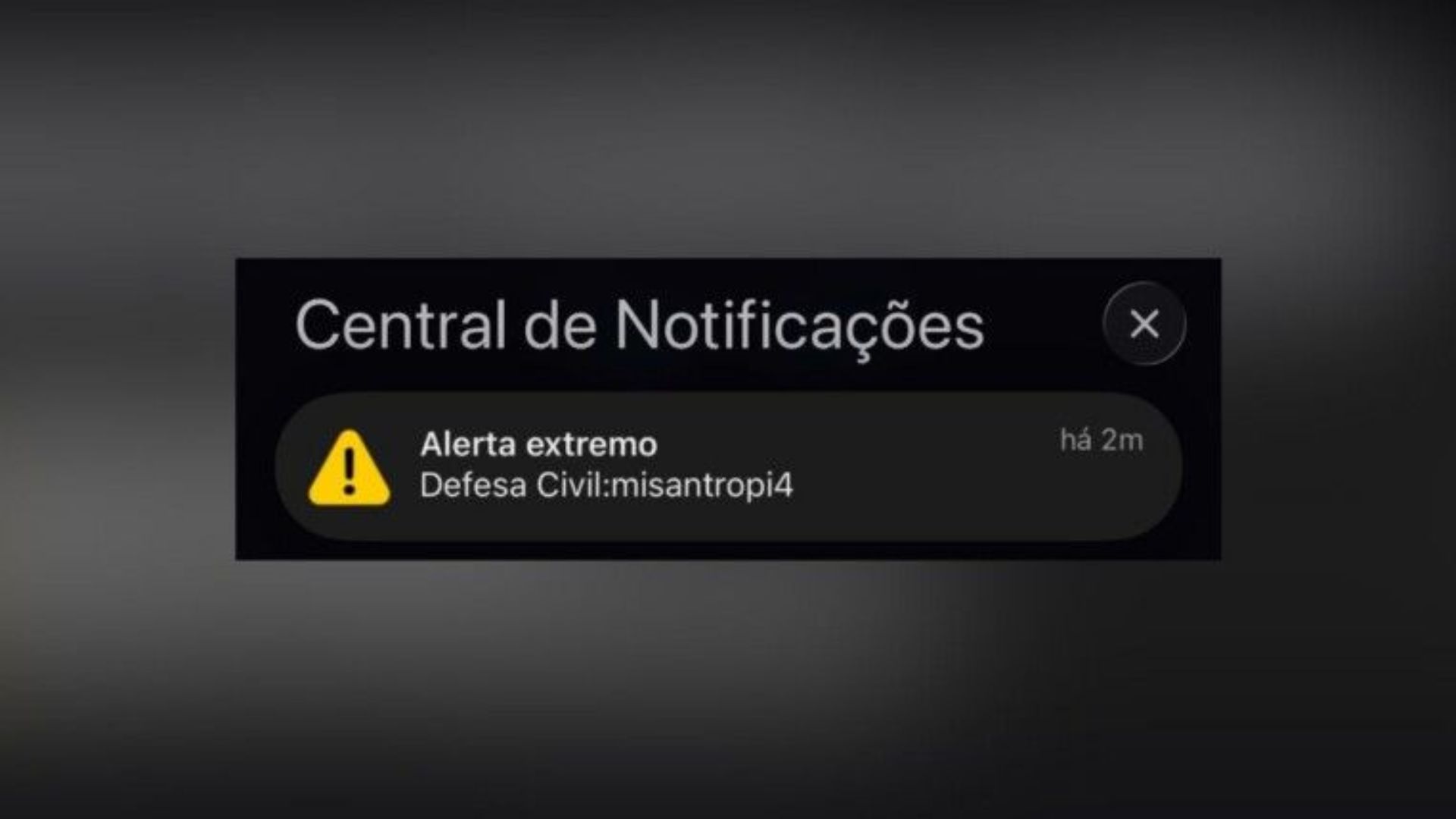
System created to save lives in disasters turned ‘against’ Brazilians overnight: a hacker attack sent out a false alert from Civil Defense with the word “misantropia” that went off on the phones of half the country, even in silent mode, and took down the Cell Broadcast.
-
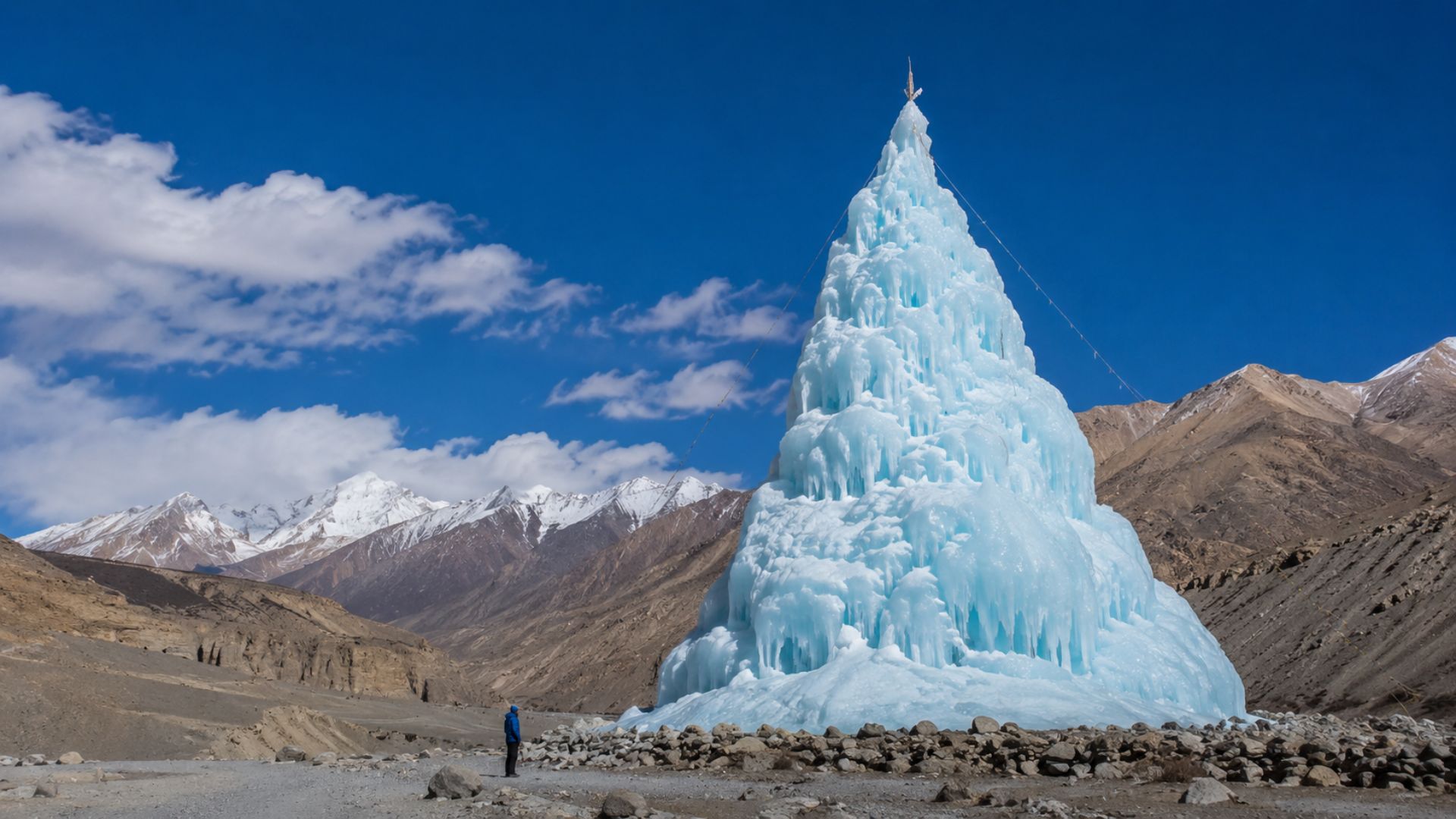
In the cold desert of Ladakh, where it hardly rains, engineer Sonam Wangchuk created the ice stupa, a tower that freezes winter water and stores it for irrigating crops in the spring, a simple engineering feat that mimics nature.


The Peculiarities of the Weirdest Volcano in the World
The peculiarities of the Ol Doinyo Lengai volcano are not limited to its lava. A recent study published in Geophysical Research Letters revealed an equally strange phenomenon: the volcano is sinking. According to scientists, Ol Doinyo Lengai has gradually decreased in height over the past decade, with the mountain losing about 3.6 centimeters per year. In total, between 2013 and 2023, the volcano shrank by 36 centimeters.
This sinking is directly related to a magma reservoir located about one thousand meters below the volcano. This reservoir, which feeds the eruptions of Ol Doinyo Lengai, appears to be emptying, leading to the subsidence of the mountain. The exact reason for the reservoir’s emptying remains a mystery to scientists. One theory suggests it could be connected to another deeper reservoir located over three thousand meters below the surface.
Technology in the Service of Science: Monitoring the Sinking
To map the sinking of the cold lava volcano, researchers used data obtained from satellites, specifically Sentinel-1 and Cosmo-SkyMed. These tools allowed for the observation of subtle changes in the ground around the volcano, identifying that an area next to the northern crater was moving away from the satellite at a constant rate.
Interestingly, the world’s weirdest volcano showed no signs of sinking before 2007, when a powerful eruption opened a second crater, known as the northern crater, about 100 meters inside the volcano. Since then, until mid-2008, Ol Doinyo Lengai underwent a series of eruptions, marking the beginning of the subsidence process that continues to this day.
In addition to the sinking, Ol Doinyo Lengai exhibits other concerning features. A 100-meter fissure, located in the western corner of the volcano, is filled with lava and may grow with each new eruption. These signs indicate that the volcano requires constant monitoring to prevent possible natural disasters that may affect the surrounding communities.
What to Expect from the Cold Lava Volcano?
The world’s weirdest volcano continues to intrigue scientists and observers. While the sinking process of Ol Doinyo Lengai raises questions about the mountain’s stability, the behavior of its carbonatite lava also offers a fertile ground for research. The cold lava, more fluid and less viscous than traditional lava, may provide new insights into the dynamics of volcanoes and their interactions with the Earth’s crust.
The need to monitor the cold lava volcano becomes even more urgent as evidence of changes in its internal structure accumulates. The combination of high technology and scientific research is essential to understand the risks and possibilities that Ol Doinyo Lengai presents, not only for Tanzania but for the global study of volcanoes.
Ol Doinyo Lengai is a geological wonder that challenges us to rethink our ideas about nature. Its cold lava and the phenomenon of sinking place it in a category of its own, highlighting it as one of the most intriguing and, at the same time, most unusual natural phenomena on the planet.





Be the first to react!