Portuguese
  Spanish


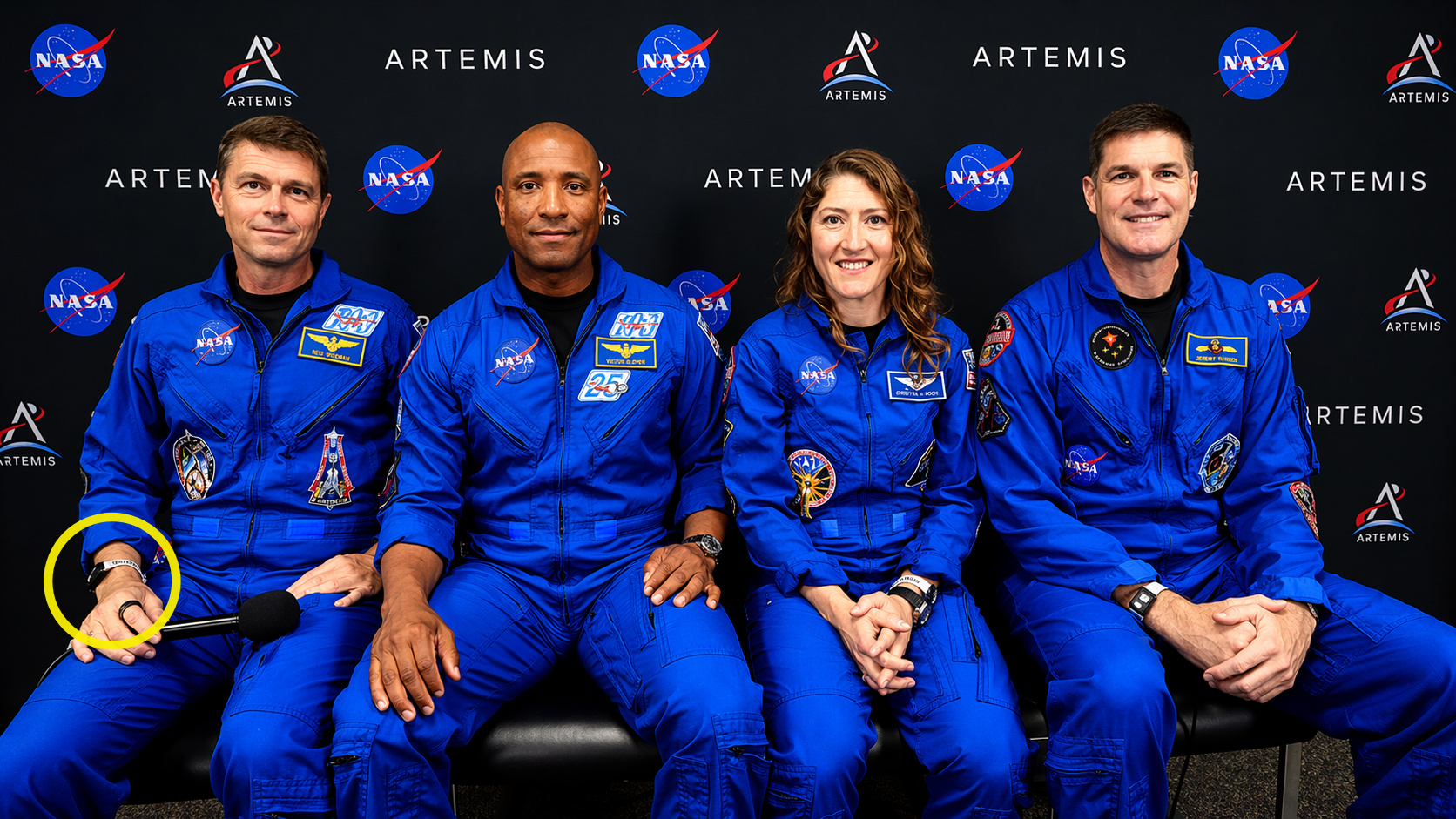

NASA used a watch with USP technology to monitor sleep, activity, and light exposure of the Artemis II astronauts, in one of the most symbolic missions of the new lunar race.
NASA brought to Artemis II a technology that originated at USP and ended up on the astronauts’ wrists in a historic mission around the Moon. The watch, an actigraph developed from research conducted at EACH under the coordination of Professor Mario Pedrazzoli, monitors sleep patterns, activity, and light exposure, exactly the type of data that becomes crucial when every hour of flight can affect the performance, attention, and safety of the crew.
NASA itself states that the Artemis II astronauts used an actigraph (an object similar to a watch) before, during, and after the mission.


NASA placed the USP watch where the human body is most tested
Artemis II was not just any trip. According to NASA, the mission was the first crewed flight of the Artemis program, lasted 9 days, 1 hour, and 32 minutes, was launched on April 1, 2026, and returned on April 10, taking humans around the Moon for the first time in over 50 years.
-
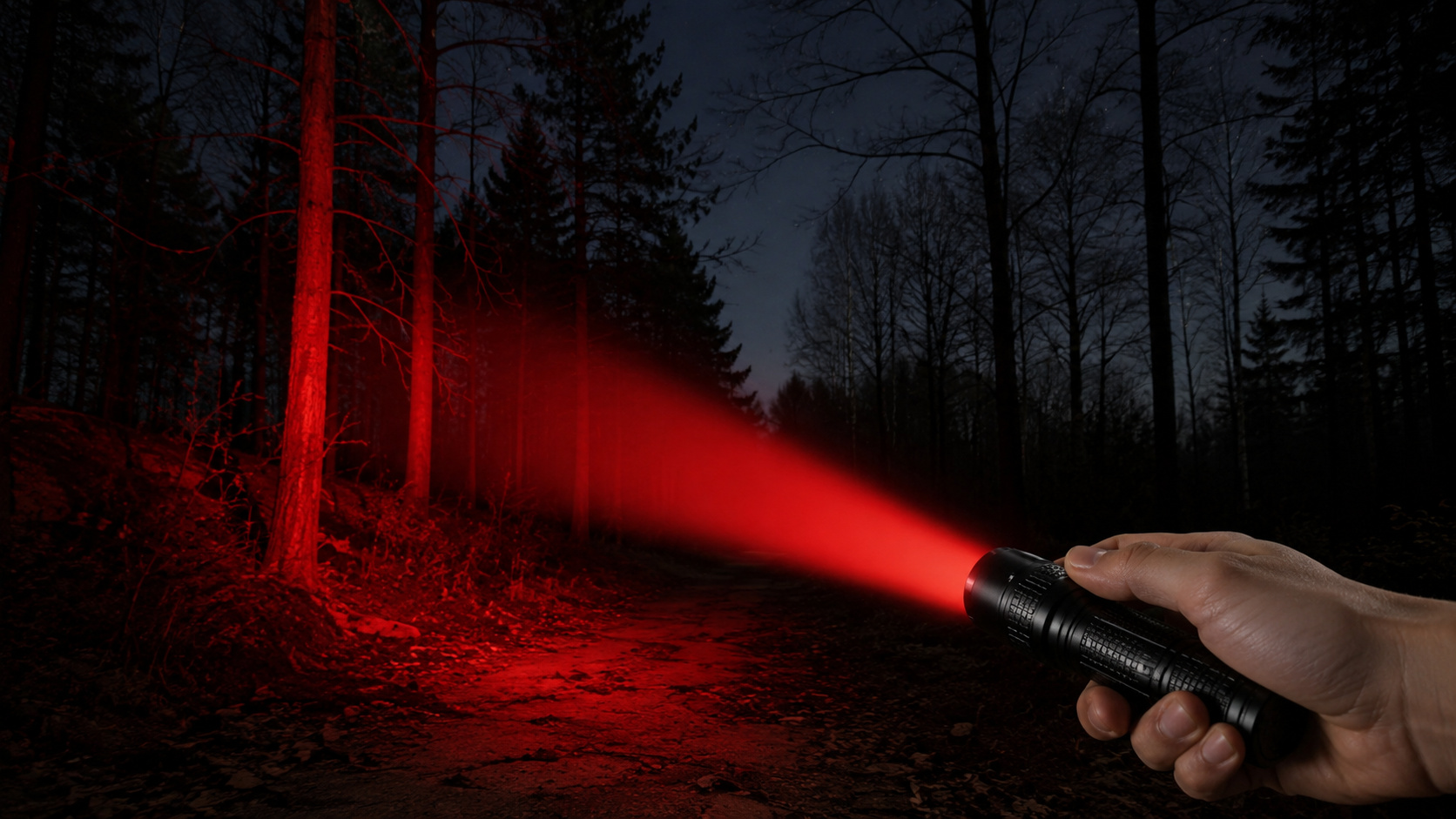
What is a red flashlight used for, after all? See why it is so commonly used at night.

-
He has never read a line of code, but he already knows how to work: the French company UMA presented in Paris the Northstar, its first AI-powered humanoid robot designed for factories and warehouses, capable of copying tasks just by observing an employee in action.

-
A young Kenyan engineer collects plastic waste from the streets and transforms it into robots that translate physics lessons into sign language in real-time, a machine made with old bottles that teaches what was missing to deaf children left out of science.
-
What is the dark substance found in the sand of Ipanema Beach? Civil Police conduct an examination, collect samples of the material, and initiate an investigation to identify the composition, clarify the origin, and verify if there was an environmental crime.



In such an environment, monitoring sleep and biological rhythms ceases to be a detail and becomes a piece of operational survival.
In the ARCHeR study, NASA states that actigraphs monitor well-being, activity, sleep patterns, and crew interactions, with data collection also during the mission.
The agency also says that these monitors help the astronauts themselves and ground controllers observe health and behavior information in real time, with a direct impact on mission safety and understanding how sleep and activity affect performance in deep space.
The USP watch was not designed to be a gadget
The equipment used by the Artemis II astronauts has a very different profile from the common watch sold as a wellness accessory.
EACH informs that the device was created with a scientific focus and continuously records movement, sleep, light intensity, and even the spectral composition of ambient light, including blue light, a decisive variable for the sleep-wake cycle.
Condor Instruments, the company that refined and began producing the technology, describes this type of actigraph as a research device with accelerometer and light and temperature sensors, designed for continuous data collection over long periods.
From USP to space, the route of the watch went through heavy research
The origin of this technology lies in research conducted at USP and initially funded by the PIPE Program of FAPESP, before the device scaled up with Condor Instruments.
The work led by Mario Pedrazzoli is part of a consolidated line of research in chronobiology and sleep within the university, an area where the researcher has accumulated scientific production related to actigraphy, circadian rhythms, and physiological markers of sleep.
The leap to Artemis II transformed this academic journey into a global showcase for Brazilian science.
Astronauts of Artemis II gave the USP watch the stage that few Brazilian technologies reach
When a Brazilian technology enters the routine of a NASA mission, the significance goes far beyond curiosity.
The watch linked to USP began to operate within a program created to prepare for human return to deep space and pave the way for future trips to the Moon and Mars.
NASA states that the results of ARCHeR will serve to develop protocols, interventions, and technologies capable of helping humans live and work better on increasingly longer and more distant missions.
For USP, this international use became the most visible proof that public research conducted in Brazil can also reach the most extreme environments on the planet — and beyond.
Comment: did you imagine that a watch born at USP would be on the wrists of the astronauts of Artemis II on a NASA mission? Share this article with those who follow Brazilian science, space, and technology.