Portuguese
  Spanish


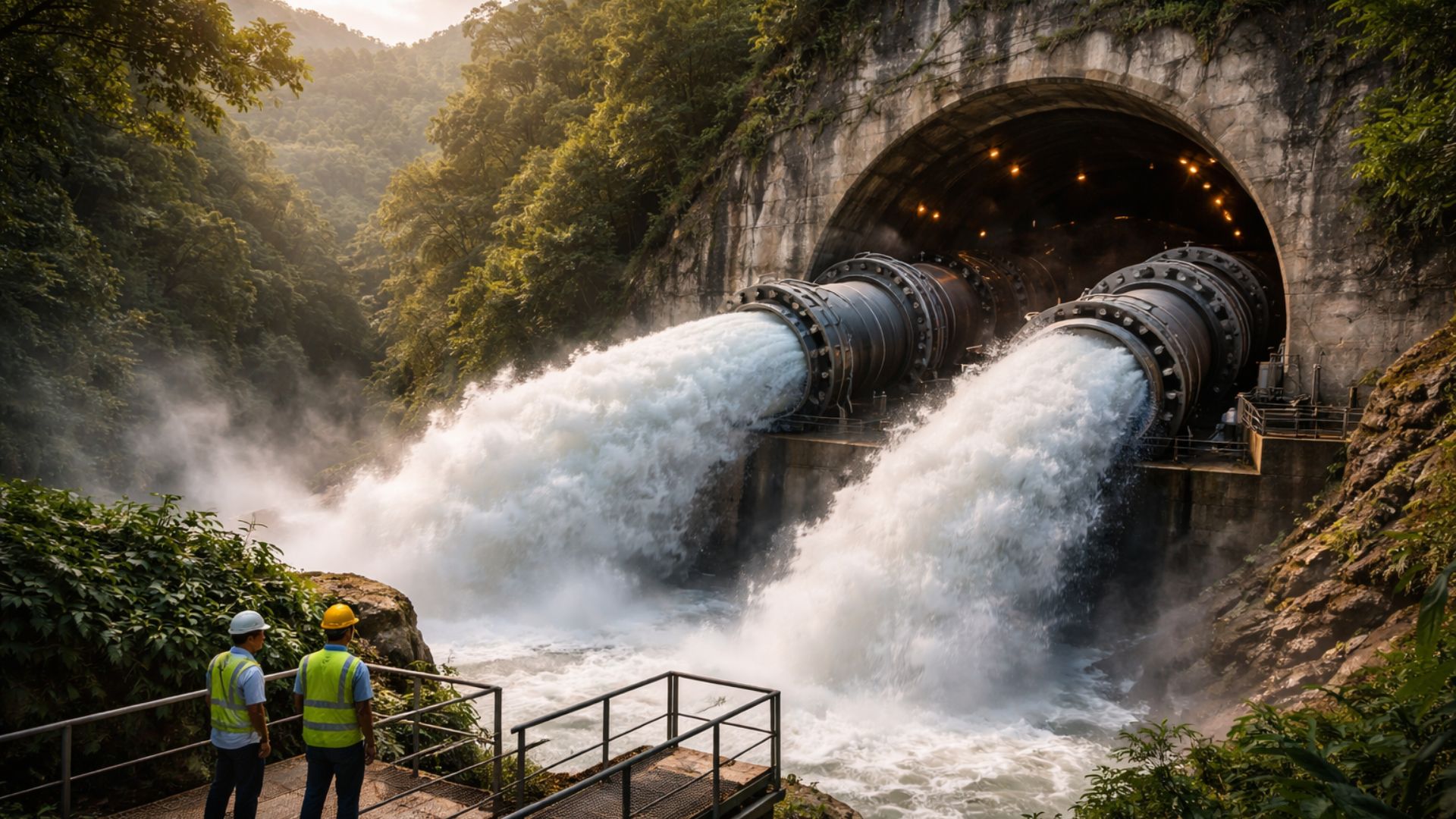

Pressurized water system leads São Paulo to invest in long-distance water transposition, with complex structure and high cost to reinforce strategic reservoirs amid climatic uncertainties and increasing urban demand in the largest metropolitan region in the country.
The main water security project delivered by Sabesp in 2025 began operating as one of the bets to contain the pressure on the reservoirs of the São Paulo Metropolitan Region, which still face critically low levels.
Inaugurated in December, the transfer from Itapanhaú already injects 1,680 liters per second into the Alto Tietê System and can reach up to 2,500 liters per second, increasing the total capacity of the system by about 17%.
According to a report published by the newspaper Estadão this Monday (13), the project gained relevance after months of operation in a scenario still marked by climatic uncertainties, rising temperatures, and irregular rainfall distribution.
-
Over 300 People in Barcelona Demonstrate Temperature Differences Between Shaded and Sun-Exposed Sidewalks

-
Tired of High Rent, Woman Converts Truck into Mobile Home for Travel Lifestyle
-
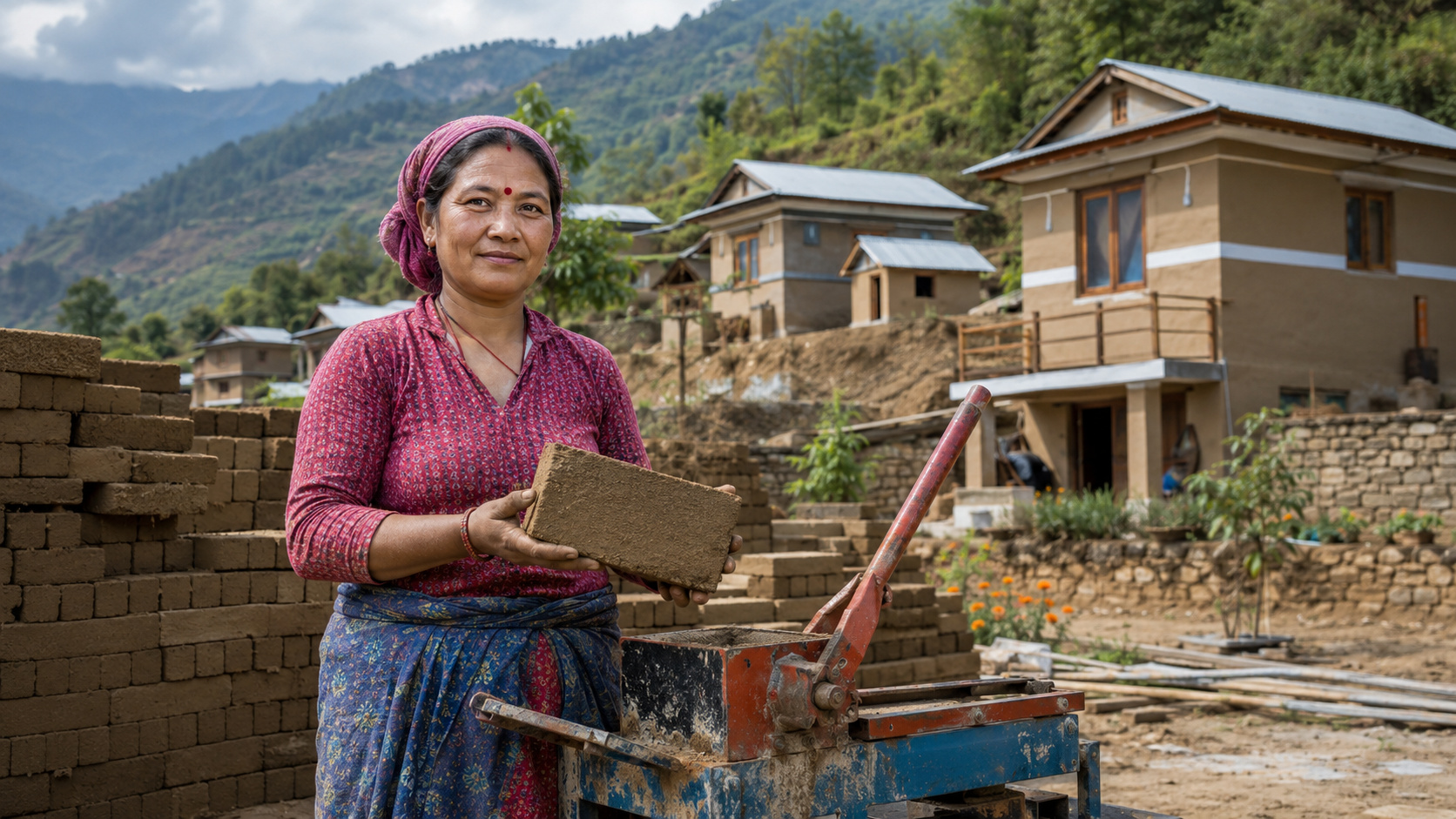
After Earthquakes Devastated Thousands of Homes in Nepal, Woman Uses Compressed Earth Bricks to Build Over 40 Resilient Houses
-
Wind energy company discovers 19th-century shipwreck with 615 tons of coal while surveying seabed for 150 turbines installation.




In addition to reducing pressure on the Cantareira System, the project — which took about a decade to come to fruition — also aims to contribute to the gradual recovery of the reservoirs that supply the metropolitan region.
Water project in SP tries to relieve pressure on reservoirs

Located in Biritiba Mirim, about 60 kilometers from the capital, the structure captures water from the Ribeirão Sertãozinho, a tributary of the Rio Itapanhaú, and transports it to the Biritiba Reservoir, which is part of the Alto Tietê System.
Currently, the set of reservoirs operates at around 50% capacity, which is still considered a level of attention, especially given the recent fluctuations recorded in the state’s main water sources.
Even with the recovery of Cantareira — which rose from 19% to 44% between February and March — experts assess that the scenario is still not comfortable, especially given the possibility of extreme climatic events in the coming months.
According to an investigation by the newspaper Estadão, Sabesp is betting on an investment package of R$ 5 billion by 2027 as a strategy to enhance water security, although experts point out significant gaps in the management of the system.
Itapanhaú transposition expands water supply
From mid-2025 until the end of March this year, the Itapanhaú transposition added more than 12.5 million cubic meters to the Alto Tietê System, increasing the stored volume from 50.5% to 52.7%, according to Sabesp data.
In the assessment of Professor Antonio Carlos Zuffo from Unicamp, the reinforcement helps to slow the decline of the reservoirs and can ensure supply for up to 1.4 million people daily in the metropolitan region.
Still, the expert notes that it is too early to say whether the set of works will be sufficient to avoid a new water crisis, especially given the influence of unpredictable climatic factors on the behavior of the reservoirs.
In an interview with the newspaper Estadão, Zuffo highlighted that periods of intense heat tend to increase consumption and accelerate evaporation, which can further pressure storage levels.
Structure of the project involves tunnel and intensive pumping

To enable operation, a complex structure was built that includes about 9 kilometers of steel pipelines and a tunnel excavated in a mountainous area, near the Mogi-Bertioga Highway, in an environmentally sensitive region.
The total investment in the project reached R$ 300 million, fully funded by Sabesp, which began work in 2020, before the company’s privatization process.
While the electric transmission line is not completed, the system operates with 11 diesel generators, responsible for maintaining active pumping with an average consumption of 14,000 liters of fuel per day.
The newspaper also pointed out that this solution is temporary and should be replaced after the completion of the electrical infrastructure, expected to go into operation in April.
Environmental impacts and concerns in the region
Since the licensing phase, the project has faced questions from environmentalists and residents of Baixada Santista, mainly due to the possible impacts on areas of Atlantic Forest, mangroves, and ecosystems associated with the Rio Itapanhaú.
The withdrawal of freshwater may alter the salinity balance in the estuaries, directly affecting local biodiversity, especially in areas that function as natural nurseries for various marine species.
In addition, the project authorized the deforestation of 12.7 hectares, with plans for environmental compensation through the planting of 49.1 hectares, currently in the execution and maintenance phase.
Another point of concern involves continuous environmental monitoring, which, according to Sabesp, includes measurements of salinity and flow, although some of the equipment is temporarily under maintenance.
Water losses are still a structural challenge
Despite the increase in water supply, experts warn that the system still faces significant losses, with about 29.4% of treated water being wasted due to leaks or irregular connections.
In response, Sabesp claims to have increased investments in loss management, including contracts for consumption monitoring and a plan to replace old networks that extends until 2034.
Since August, residents of the metropolitan region have been experiencing reduced pressure in the pipelines during the night, a measure that lasts about ten hours and aims to reduce waste in the system.
In light of this scenario, experts emphasize that the balance between infrastructure, efficient management, and climatic conditions will continue to be decisive in ensuring supply in the coming years.