






 Portuguese
  Spanish


New initiative expands access to visual health and promises to transform the routine of thousands of Brazilians with simplified care and free glasses distribution
Free glasses for seniors over 60 years old are already a reality in Brazil, marking a significant advance in public health. In the first months of implementation, the measure draws attention for its direct impact on the quality of life of the elderly population, especially in large urban centers. The information was released by the Municipal Health Department of Porto Alegre, according to data published in May 2025.
In this scenario, the highlight goes to the Visão 60+ program, launched by the Porto Alegre city hall, which offers free prescription glasses for residents aged 60 or older. The initiative, besides being innovative, emerges as a response to a growing demand for facilitated access to ophthalmological care, especially among seniors facing financial difficulties.
How to access free glasses for seniors
To access the benefit, the process begins with a medical consultation at a public health unit. During the appointment, the patient undergoes ophthalmological exams and, if necessary, receives a prescription for glasses.
-
After three years living in a van, a couple bought an abandoned historic house and had to deal with mold, damaged plumbing, raccoons, and heavy cleaning before moving in.

-
In the city that the market called “road cockroach,” between Balneário Camboriú and Florianópolis, he launched a planned neighborhood worth R$ 1 billion with a marina for 90 boats and sold 80% of the lots in the first phase in 1 week.

-
At a depth of 5,000 meters, where there is no sunlight, researchers found ancient DNA preserved in the mud of the South Atlantic and discovered signs of organisms that did not match known records.

-
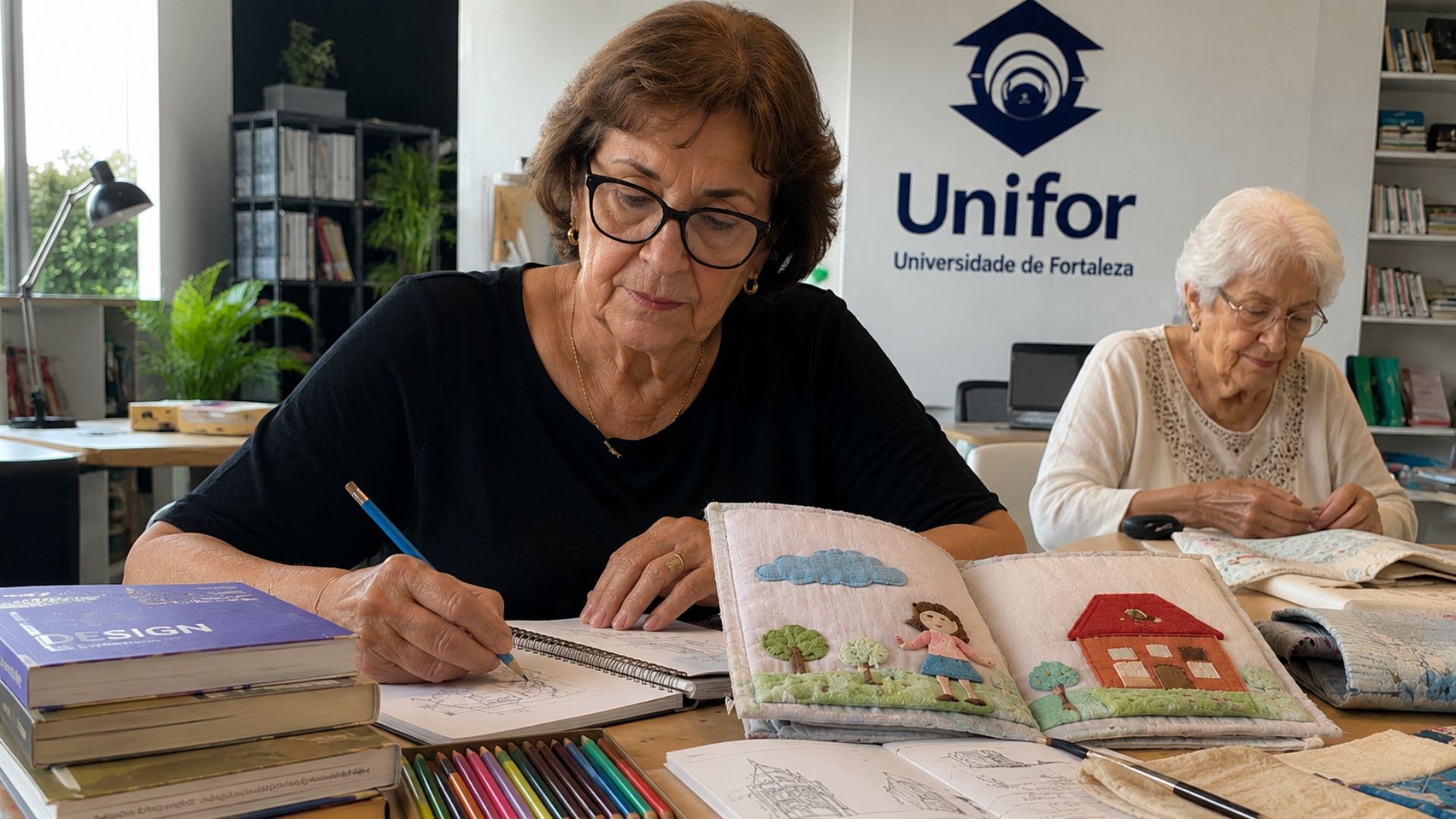
At 77 years old, a retired woman who never tires of learning completes her second degree in design in Ceará and moves people by revealing the help of her 98-year-old mother in the final project.



Next, with the prescription in hand, the senior can go to one of the opticians accredited by the program. The model was structured to be simple and agile, reducing bureaucracy and speeding up service. Furthermore, beneficiaries can choose from different available frames, ensuring not only functionality but also comfort and personal satisfaction.
Another noteworthy point is the delivery time: the glasses are ready in about 10 business days, which represents a quick response to the visual needs of the served population.
Impressive reach: up to 320,000 seniors benefited
In Porto Alegre, it is estimated that approximately 320,000 seniors could be covered by the Visão 60+ program. This number reveals the dimension of the initiative’s social impact, which goes far beyond eye health.
With corrected vision, seniors gain more autonomy in their daily lives. Simple activities, such as cooking, reading medicine labels, or moving around the city, become safer and more practical. Furthermore, improved visual acuity directly contributes to reducing domestic accidents and increases the independence of this portion of the population.
On the other hand, experts highlight that programs like this also help reduce the burden on health services, as prevention avoids more serious complications in the future.
Bill could extend benefit to all of Brazil
While the program already shows concrete results in Porto Alegre, a national-level proposal could further expand this benefit. This is Bill No. 1615/2026, presented on April 7, 2026, by Senator Plínio Valério (PSDB-AM).
The proposal foresees the free distribution of glasses through the Unified Health System (SUS), focusing on the low-income population. In this sense, the initiative is not limited to seniors but also seeks to combat school dropout and expand social inclusion throughout the country.
Currently, the bill awaits analysis in the Senate Plenary. If approved, it could represent a structural change in access to visual health in Brazil, integrating the service into existing health units and strengthening basic care.
Social impact and expansion expectation
Given the first positive results, the expectation is that the Visão 60+ program will continue to grow throughout 2026. The Municipal Health Department of Porto Alegre has already signaled interest in gradually expanding the initiative, increasing the number of beneficiaries and strengthening partnerships with local opticians.
Furthermore, possible integration with national public policies could transform the model into a reference for other Brazilian cities. Therefore, what began as a municipal action has the potential to become a public policy of national scope.
In a rapidly aging country, measures like this gain even more relevance. After all, ensuring access to quality vision is not just a matter of health, but also of dignity, autonomy, and social inclusion.
Does your city already offer free glasses for seniors over 60, or is it still awaiting the arrival of this benefit?


