Portuguese
  Spanish


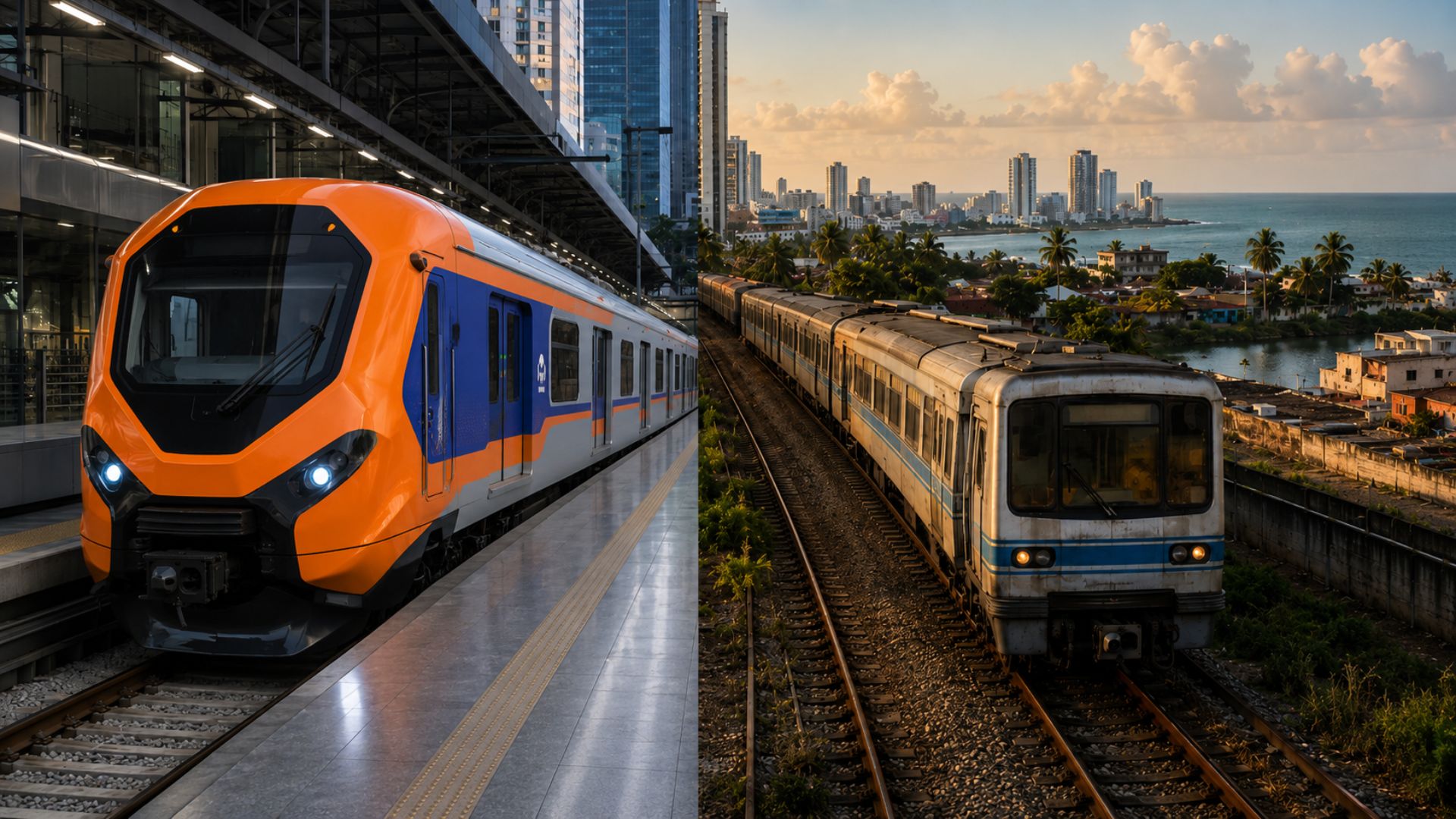

CBTU bought six used Series 900 trains for R$ 60 million from the New PAC for the Recife Metro, but the subway workers’ union filed a formal complaint with BNDES, pointing to a book value of R$ 3 million per vehicle and questioning the negotiation with Comporte, which is receiving a new fleet from CRRC in Belo Horizonte, According to the portal Diário de Pernambuco.
The first of the six trains that the Brazilian Urban Train Company bought for the Recife Metro left Belo Horizonte last Friday, hoisted by cranes and placed on flatbed trucks in the São Gabriel yard. The train set is from the Series 900, manufactured by Cobrasma, and was part of the Metrô-BH fleet, now under concession to Grupo Comporte. CBTU paid approximately R$ 10 million for each train, with R$ 7.6 million for the purchase and R$ 2.4 million for the transport, overhaul, and training package, totaling R$ 60 million in New PAC funds for six train sets without air conditioning and over 30 years old.
The operation, however, is far from consensual. On April 28, the Pernambuco Subway Workers’ Union formalized a complaint at a BNDES public hearing, questioning the amount paid, the trains’ technology, and a possible favoritism relationship involving Grupo Comporte. According to the vice-president of Sindmetro-PE, Thiago Mendes, the vehicles were initially negotiated with a junkyard for values close to R$ 2 million per unit, and CBTU only entered the negotiation after Comporte broke that agreement and raised the prices. The complaint places under public scrutiny an acquisition that CBTU justifies by Recife’s operational urgency, but which the union classifies as financially unjustifiable.
The shipping schedule and the urgency of the system in Recife

The transport of trains from Belo Horizonte to Recife will follow a monthly pace: one train set in May, one in June, one in July, one in August, and two in September. CBTU’s forecast is that the first train will begin commercial operation on the Recife Metro’s South Line as early as June 2026, with all six train sets in circulation between October and November. The South Line serves approximately 60,000 passengers daily and currently operates with only 16 trains, some of which are over 40 years old.
-
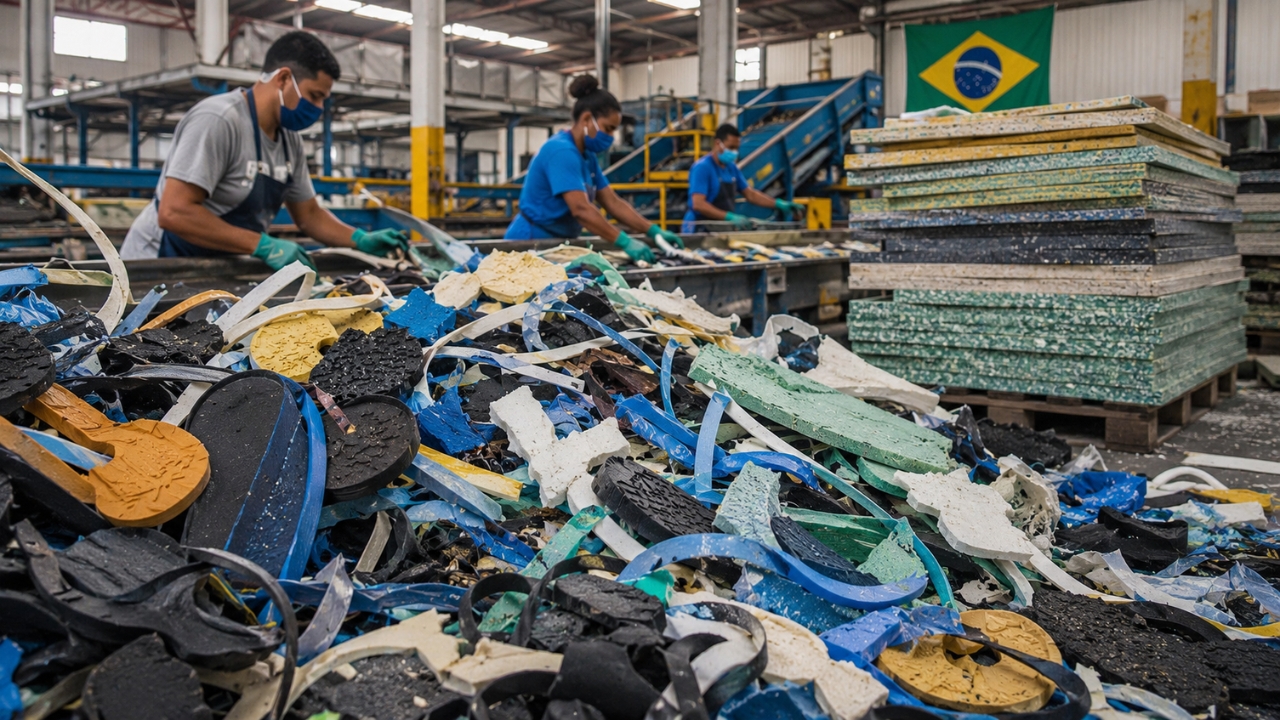
The industrial waste that even recyclers didn’t want has gained value in the interior of Bahia: two entrepreneurs invested R$ 2.8 million to transform 350 tons per year of foam, rubber, and plastic into boards that can replace wood and MDF.

-
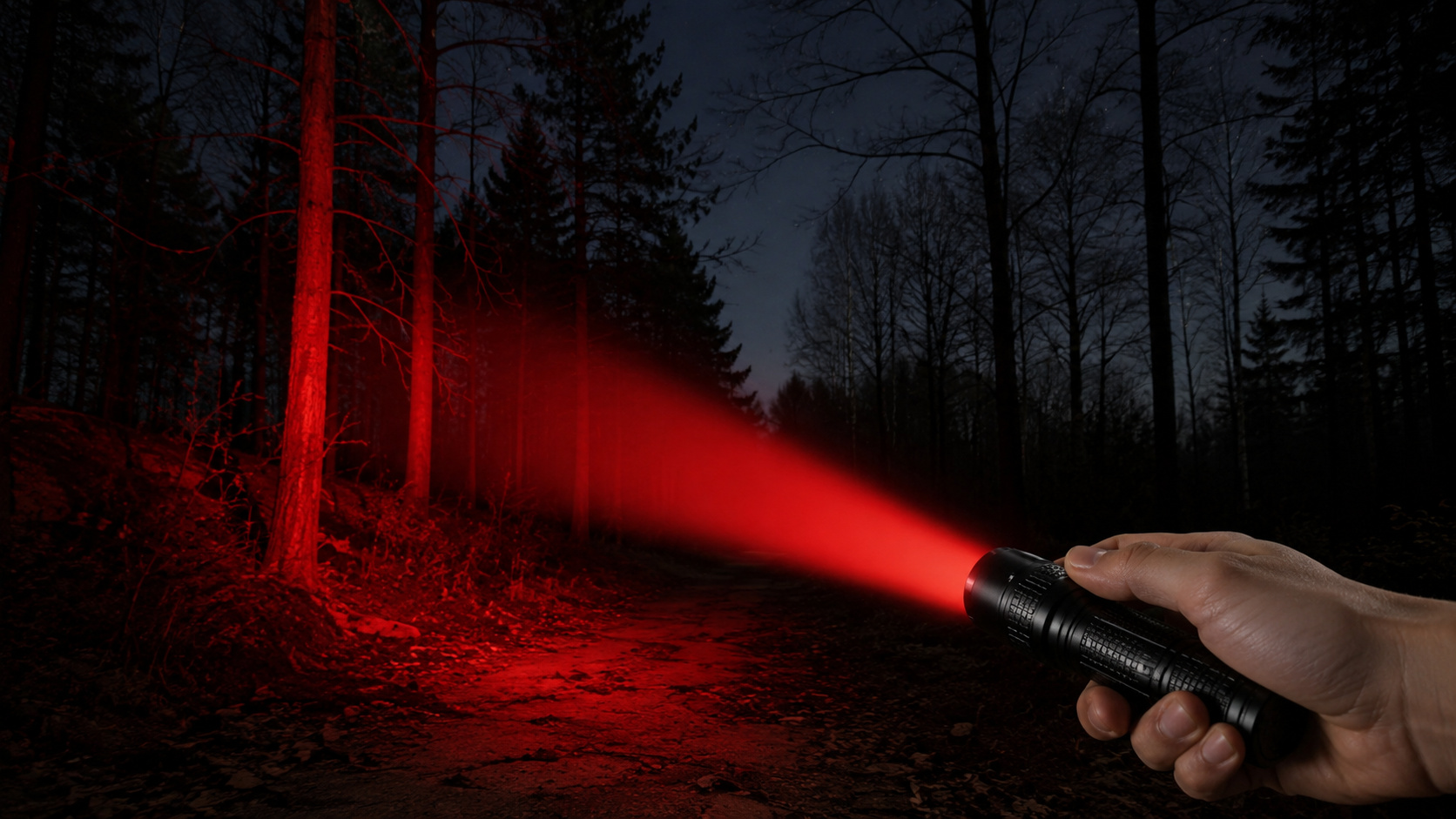
What is a red flashlight used for, after all? See why it is so commonly used at night.

-
He has never read a line of code, but he already knows how to work: the French company UMA presented in Paris the Northstar, its first AI-powered humanoid robot designed for factories and warehouses, capable of copying tasks just by observing an employee in action.

-
A young Kenyan engineer collects plastic waste from the streets and transforms it into robots that translate physics lessons into sign language in real-time, a machine made with old bottles that teaches what was missing to deaf children left out of science.



According to information from CBN Recife, the urgency is real. According to José Innocêncio, CBTU Recife’s operations manager, the Pernambuco system has not received new trains since 2012, and the estimated lifespan of the current fleet only extends until April 2027. Without reinforcement, the Recife metro risks operational collapse in less than a year. CBTU evaluated alternatives before finalizing the purchase: train sets from Trensurb, in Porto Alegre, would require extensive interventions incompatible with the necessary timeframe; air-conditioned trains from CPTM in São Paulo were also considered, but would need deep modernizations after years out of operation. Given the options, CBTU opted for the Belo Horizonte trains as the quickest solution.
Sindmetro-PE’s complaint: inflated value and conflict of interest
The most delicate point of the operation is financial. Documents from CBTU itself, cited by the union, indicate that the net book value of each train is in the range of R$ 3 million, a result of accumulated depreciation over decades. Comporte, however, acquired the entire Metrô-BH fleet for approximately R$ 26 million during the concession process at the end of 2025, and is now reselling six units to CBTU for a total of R$ 60 million, almost triple the book value per train set.
According to the complaint filed with BNDES, the sequence of events raises suspicions. Thiago Mendes, from Sindmetro-PE, told Diário de Pernambuco that the trains had initially been negotiated by Comporte with a junkyard for approximately R$ 2 million each. After CBTU expressed interest in the acquisition, Comporte allegedly canceled the agreement with the junkyard and closed the deal with the state-owned company for significantly higher values. The union also points to a possible structural conflict of interest: Comporte is identified as being interested in the future concession of the Recife Metro, which would mean the company could repurchase from the government the same assets it sold to it, constituting what Sindmetro-PE describes as a circular flow of public money. CBTU and Comporte were contacted for comment on the accusations.
No air conditioning, obsolete engine, and incompatible control system

The problems pointed out by the union are not limited to the price. The Series 900 compositions do not have air conditioning, and CBTU has not announced plans to install the equipment. A technical opinion from CBTU itself, cited by Diário de Pernambuco, acknowledges that ventilation was considered acceptable in Belo Horizonte during off-peak hours, but notes that performance may not be satisfactory during peak hours and in the climatic conditions of Recife, a capital city with significantly higher temperatures and humidity than Belo Horizonte.
Sindmetro-PE’s complaint goes beyond comfort and questions the technical viability of the trains. The compositions use alternator motors, a technology that the Recife system itself discarded 20 years ago due to recurring failures. Furthermore, the Automatic Train Control system of the vehicles coming from Belo Horizonte is incompatible with the one used in Recife, and replacement would cost approximately an additional R$ 3 million per composition, a value not included in the R$ 10 million already paid for each train. If confirmed, the real cost per unit would approach R$ 13 million, more than four times the accounting value indicated by the union.
CRRC trains and the contrast between Belo Horizonte and Recife

While Recife absorbs trains over 30 years old, Belo Horizonte is undergoing its biggest fleet renewal. The Metrô-BH concessionaire, operated by Grupo Comporte, is receiving 24 new Series 2000 compositions, manufactured by the Chinese CRRC, the world’s largest manufacturer of railway rolling stock. CRRC trains will fully replace the old fleet, including the Series 900 compositions that are now heading to Recife, a swap provided for in the concession contract signed in 2025.
The contrast between the two scenarios exposes the inequality of investment between the country’s metro systems. Belo Horizonte is debuting contemporary manufacturing technology with private concession funds, while Recife is resorting to federal money from the Novo PAC to buy, for R$ 60 million, exactly the material that the capital of Minas Gerais discarded. CBTU justifies the decision by operational urgency and the lack of viable alternatives within the necessary timeframe. The metro workers’ union, in turn, argues that the urgency was used as a pretext for a financially questionable acquisition that benefits Comporte and delivers to Pernambuco passengers trains without air conditioning, with obsolete technology and hidden costs that have not yet been accounted for.
And you, do you think it is justifiable for Recife to receive trains over 30 years old, without air conditioning, while Belo Horizonte debuts a new CRRC fleet? Does the union’s complaint about the amount paid by CBTU and Comporte’s role deserve a thorough investigation? Leave your comment and say what you think about the use of R$ 60 million from the Novo PAC for compositions that the original system itself discarded.