





 Portuguese
  English
  Spanish
  3 min of reading
  0 comments


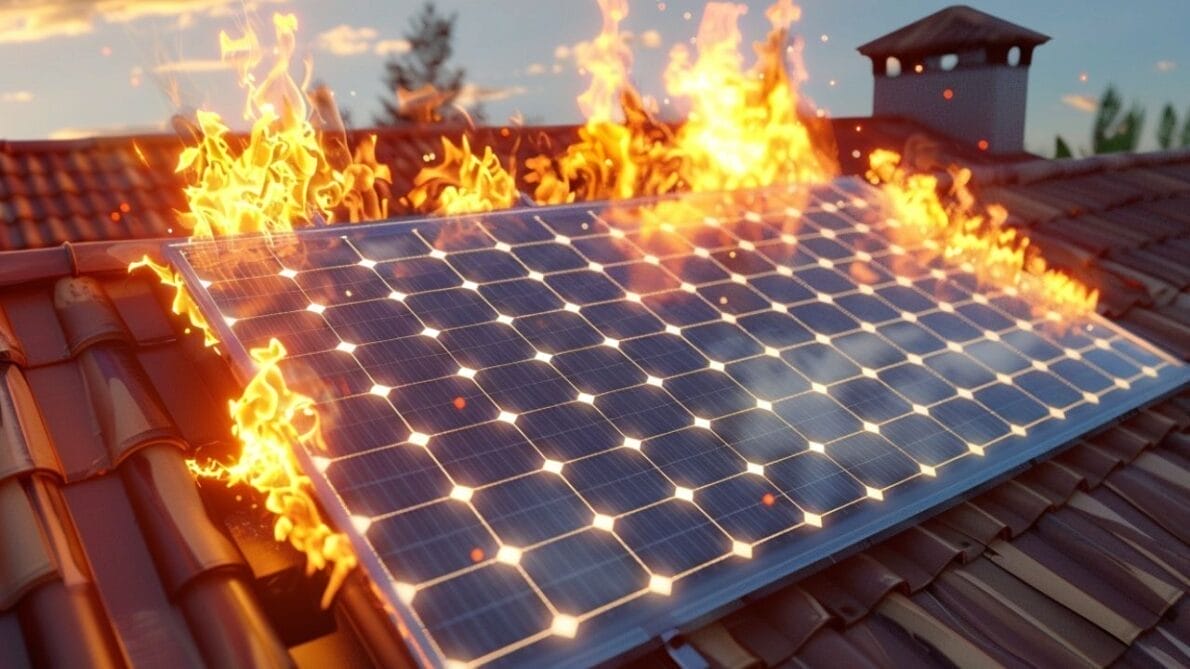
Although rare, fire situations in photovoltaic installations are possible and usually occur due to failures in the installation of solar panels. Discover the main reasons that lead to flames and how to prevent such incidents.
Fires in solar panel installations, although rare, can occur due to installation errors, the use of low-quality components, and lack of proper maintenance. Discover the main causes, such as electrical arcs due to poorly made connections, reverse current from design errors, microcracks in the panels, and the importance of strictly following technical standards to ensure the safety and efficiency of solar energy systems.
Images of solar panels in flames can be shocking, but they are a reality that, although rare, mainly occurs due to installation errors and inadequate maintenance. The solar energy market is expanding, and the ease of entry into this sector contributes to the increase of installations by unqualified professionals, the so-called “panel hangers,” who often do not follow the necessary technical standards.
The Main Villain of Fires in Solar Panels Is the Electric Arc


One of the main villains in fires in solar panels is the electric arc, which occurs when there is an electric current passing through the air between conductors or between a conductor and the ground. This phenomenon is especially dangerous in systems that operate on direct current, such as solar panels. It generally results from poorly made connections, such as inadequate tightening and the use of improper tools for connecting the connectors.
-
Advance in Brazilian science: Brazilian researchers reveal surprising method that transforms carbon dioxide into clean energy with sunlight and could reduce part of the pollution responsible for global climate change.

-
Renewable energy sources are gaining global prominence by driving the energy transition and reducing environmental impacts in the face of advancing climate change.

-
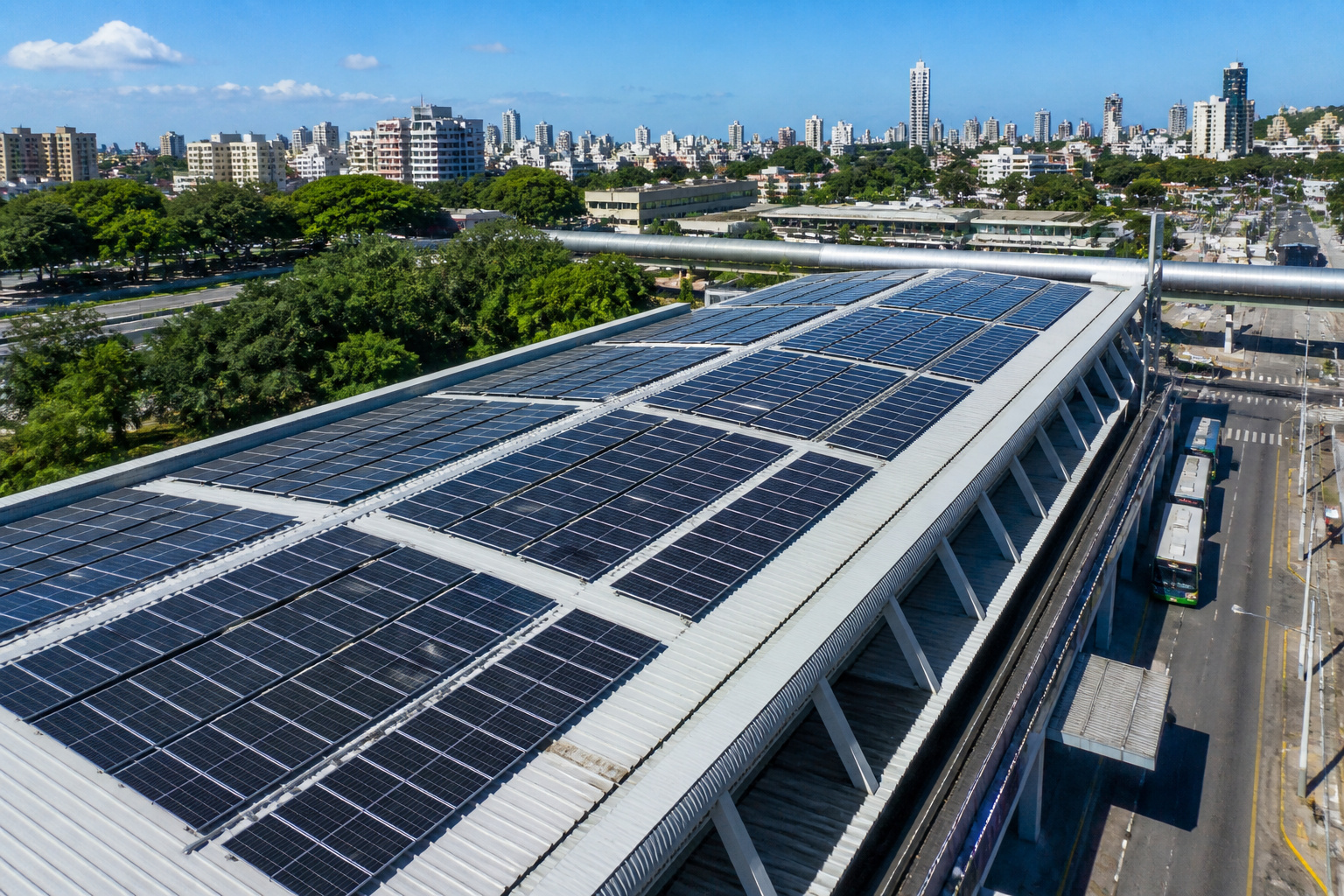
Lapa Station receives a solar power plant and becomes one of the largest sustainable projects in public buildings in Salvador with a strategic partnership.
-
Solar energy surpasses 288 MW in Amazonas with over 600% growth, driving billion-dollar investments and accelerated expansion in dozens of municipalities.



Reverse current occurs when the flow of electric current reverses direction, which can damage solar panels and other components of the system. This usually occurs due to an installation or design error, where panels are improperly connected. If there are no appropriate protections, such as blocking diodes or fuses, reverse current can generate excessive heat and lead to a fire.
Small Cracks, Often Invisible to the Naked Eye, Can Compromise Performance
Microcracks in solar panels can occur during transport or installation. These small cracks, often invisible to the naked eye, can compromise the performance of the panel and create hot spots that may eventually cause fires. The risk increases if the panels are not handled or installed with care.
Using low-quality or inappropriate components for the photovoltaic system also increases the risk of failures and fires. The use of inverters, cables, and connectors that do not meet the necessary standards can result in overheating and electrical failures.
Lightning Represents Another Significant Risk for Solar Panel Installations
Lightning represents another significant risk for photovoltaic installations. Although direct discharges are rare, a photovoltaic system without adequate protection, such as surge protective devices (SPDs) and a good grounding system, can suffer serious damage and even ignite during electrical storms.
To prevent these incidents, it is crucial that the installation of photovoltaic systems be carried out by qualified professionals and that all components used meet the recommended technical standards. Periodic reviews and maintenance of installations can prevent deterioration that could lead to a fire.
Investing in solar energy is a smart decision for the environment and for energy savings, but it must be done responsibly and with caution. The certification of installers and oversight of installations are important steps to ensure the safety and efficiency of these systems.







-

1 person reacted to this.