






 Portuguese
  Spanish


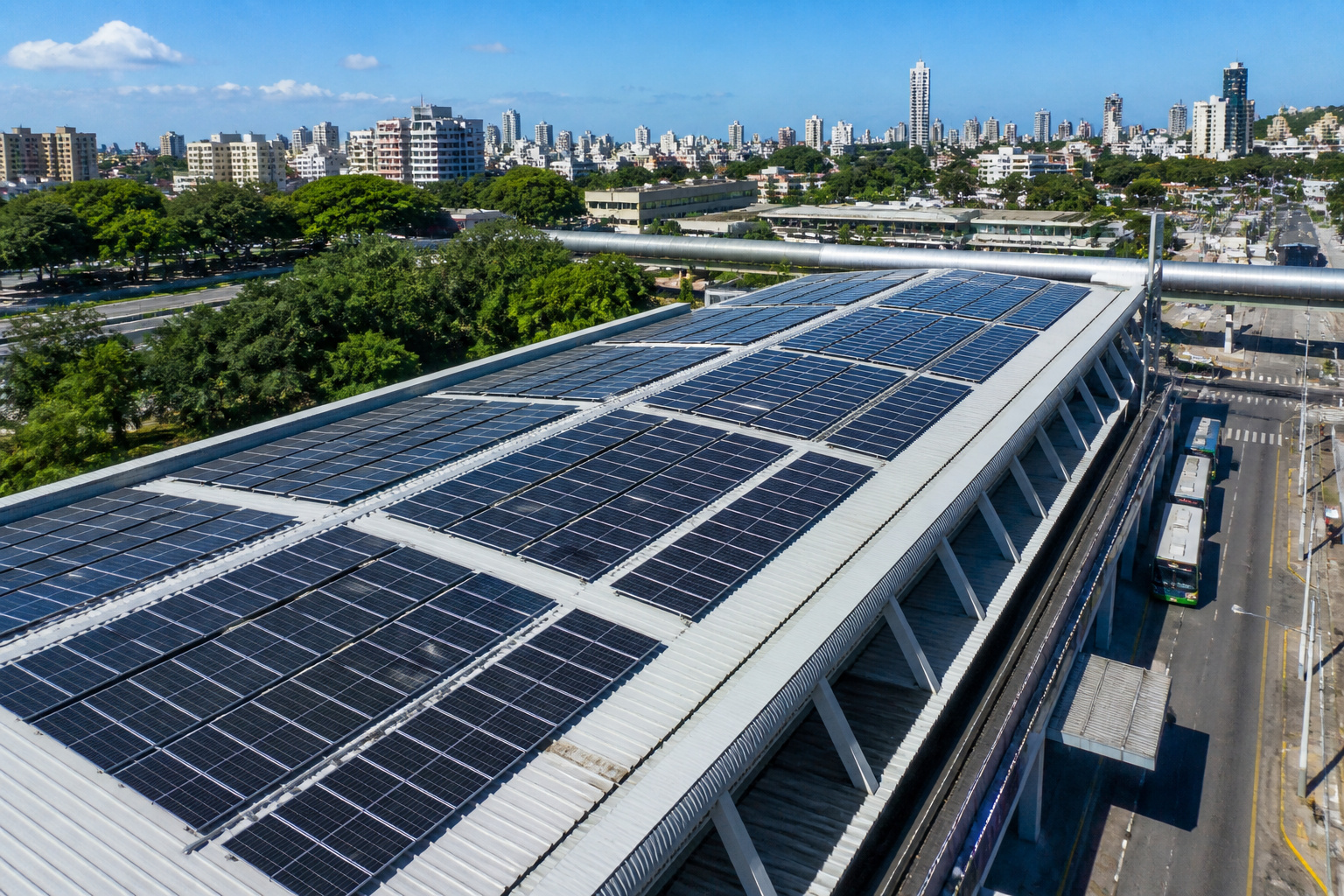

Solar energy in public buildings has been gaining more and more ground in Brazil, reflecting an important shift in how cities deal with sustainability and energy management. In Salvador, this movement has just gained prominence with the installation of a photovoltaic plant at Estação da Lapa, one of the main transport terminals in the Bahian capital.
With this initiative, the station consolidates itself as one of the largest sustainable projects in public buildings in the city. Furthermore, the project reinforces the city hall’s commitment to more efficient, innovative practices aligned with current environmental demands.
The installation of the solar plant at Estação da Lapa
Estação da Lapa now features a solar energy plant installed through a partnership between the Salvador City Hall and Neoenergia Coelba. This project represents a significant advance in the use of renewable energy in public infrastructure.
-
Switzerland Converts Train Tracks into Solar Power Plants with Removable Panels to Generate Energy Without Using Additional Land

-
Surge in Solar-Powered Homes in Brazil Leads to Grid Strain and Connection Restrictions in Three States

-
Solar Chimney in Spain Harnessed Sun to Generate Electricity for 7 Years Without Burning Fuel

-
Solar energy reaches 55 GW, becoming the second largest power source in Brazil’s energy mix
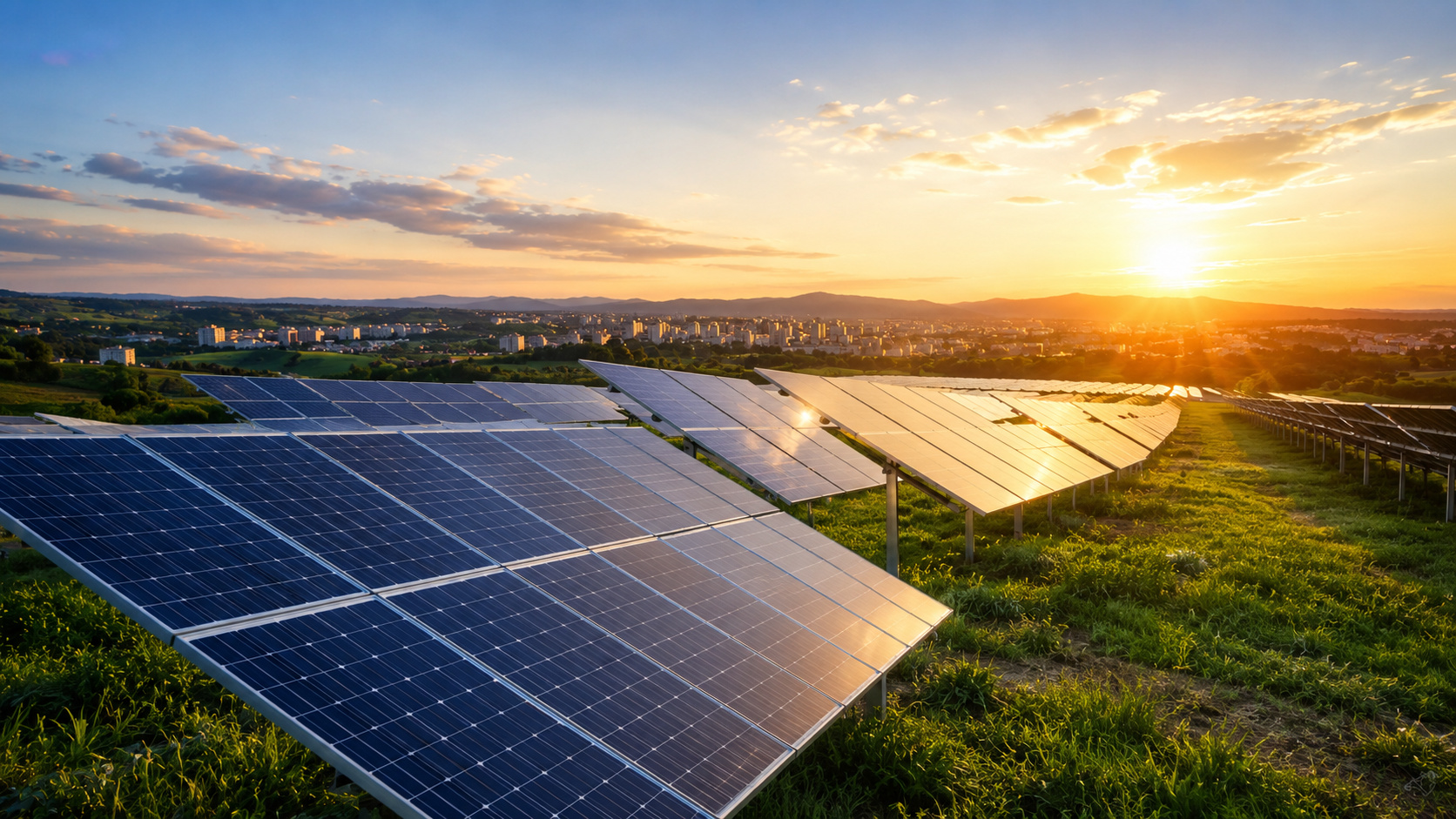
According to the city hall, the initiative positions the station as the second largest installation of its kind in public buildings in the capital. Thus, the project not only expands the use of clean energy but also serves as a reference for other similar initiatives.
Furthermore, the official handover ceremony for the plant is scheduled to take place next Thursday, at 9 am, symbolically marking another step in the city’s sustainable agenda.
Why Estação da Lapa is strategic
The choice of Estação da Lapa to host the solar plant was not by chance. The location is one of the main points of circulation for people in Salvador, receiving thousands of passengers daily.
In this regard, the installation of a solar energy system in a highly visible space contributes to raising awareness about sustainability. Furthermore, it allows for the reduction of operational costs in a large public facility.
Another important point involves the symbolic impact. By adopting renewable energy in one of the city’s main terminals, public management demonstrates commitment to innovation and environmental responsibility.
The role of partnerships in the advancement of solar energy
The project’s implementation was only possible thanks to the partnership between the public and private sectors. The collaboration with Neoenergia Coelba shows how this type of union can accelerate the development of sustainable solutions.
Furthermore, strategic partnerships provide access to technology, investment, and technical knowledge. As a result, larger-scale projects can get off the ground more quickly.
In this context, solar energy in public buildings increasingly relies on this type of cooperation to expand its presence in Brazilian cities.

Benefits of solar energy for public management
The adoption of solar energy in public structures brings a series of advantages. Firstly, there is a significant reduction in electricity costs over time.
Furthermore, the technology requires low maintenance, which makes the investment even more efficient. As a result, the saved resources can be directed to other priority areas.
Another important benefit involves cost predictability. Unlike traditional sources, solar energy allows for greater control over energy costs.
Sustainability and positive environmental impact
The installation of the plant at Estação da Lapa also contributes directly to the reduction of environmental impacts. Solar energy is a clean source that does not emit greenhouse gases during its generation.
Furthermore, the use of this technology reduces dependence on fossil fuels, which are more polluting and limited.
In this sense, initiatives like this help cities advance their environmental goals and build a more sustainable development model.
At the same time, they reinforce the role of the public sector in promoting responsible practices.
The growth of solar energy in Brazil
The project in Salvador is part of a larger movement of solar energy expansion in Brazil. In recent years, the country has seen significant growth in the photovoltaic sector.
Several factors explain this advance. Among them, the reduction in equipment costs, regulatory incentives, and increased environmental awareness stand out.
Furthermore, cities and states have started to invest more in sustainable solutions, especially in public buildings.
In this scenario, Salvador positions itself as one of the capitals adopting innovative practices in the energy sector.
Challenges in implementing urban solar projects
Despite advances, the implementation of solar plants in urban areas still faces challenges. One of the main ones involves adapting existing infrastructure.
Furthermore, it is necessary to evaluate issues such as available space, installation capacity, and integration with the electrical system.
Another important challenge involves the initial investment. Although the technology brings long-term savings, the implementation cost can be high.
However, partnerships like the one carried out in Salvador help overcome these barriers.
The social impact of solar energy
The expansion of solar energy in public spaces also generates a positive social impact. In addition to reducing costs, the initiative contributes to improving the quality of services offered to the population.
Furthermore, projects of this type stimulate job creation, especially in the areas of installation and maintenance.
Another relevant point involves environmental education. By using clean energy in high-traffic areas, public authorities help disseminate knowledge about sustainability.
The future of solar energy in Salvador
The installation of the plant at Estação da Lapa indicates a trend of expansion of solar energy in Salvador. The expectation is that new projects will be implemented in other public buildings.
Furthermore, the city can expand partnerships with companies in the sector, further accelerating the adoption of renewable sources.
In this sense, the current project serves as a model for future initiatives.
The role of innovation in public management
The adoption of solar energy at Estação da Lapa also reflects a change in how public management views innovation.
Increasingly, governments are seeking technological solutions to improve service efficiency and reduce costs.
Furthermore, innovation becomes an important differentiator for cities that wish to stand out in sustainability.
In this context, projects like this show that it is possible to combine technology, economy, and environmental responsibility.


What this project represents for the city
The installation of the solar plant at Estação da Lapa represents more than a technological advance. It symbolizes a change in mindset in public management.
By investing in renewable energy, Salvador reinforces its commitment to the future and to the quality of life of its population.
Furthermore, the project demonstrates that sustainable initiatives can be viable and efficient, even in complex urban structures.
Finally, this movement indicates that the energy transition is already underway in Brazilian cities, and that solar energy will continue to play a central role in this process.




