Portuguese
  Spanish


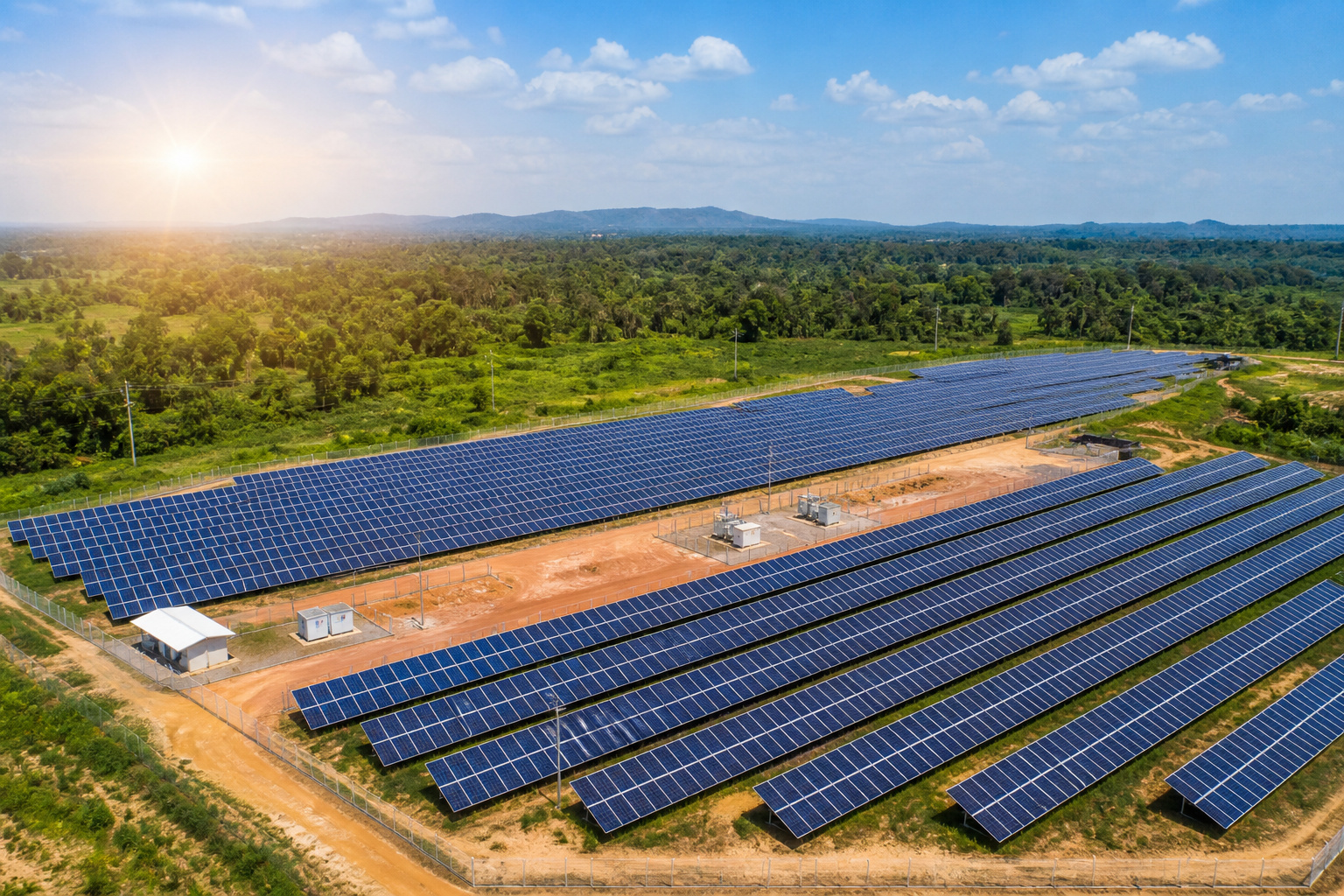

Solar energy in Brazil has advanced rapidly in recent years, and Amazonas emerges as one of the highlights in this scenario. With growth exceeding 600%, photovoltaic energy generation in the state surpassed the mark of 288 MW of installed capacity, consolidating an important transformation in the regional energy matrix.
This advance not only reinforces the potential of sustainable energy intelligence but also attracts billions in investments and expands access to clean energy in dozens of municipalities. At the same time, the movement shows that regions historically dependent on traditional sources are beginning to adopt more modern and efficient solutions.

The accelerated growth of solar energy in Amazonas
In recent years, Amazonas has registered a significant expansion in solar energy generation. According to the Em Tempo website, the installed capacity already exceeds 288 MW, representing a growth of over 600%.
-
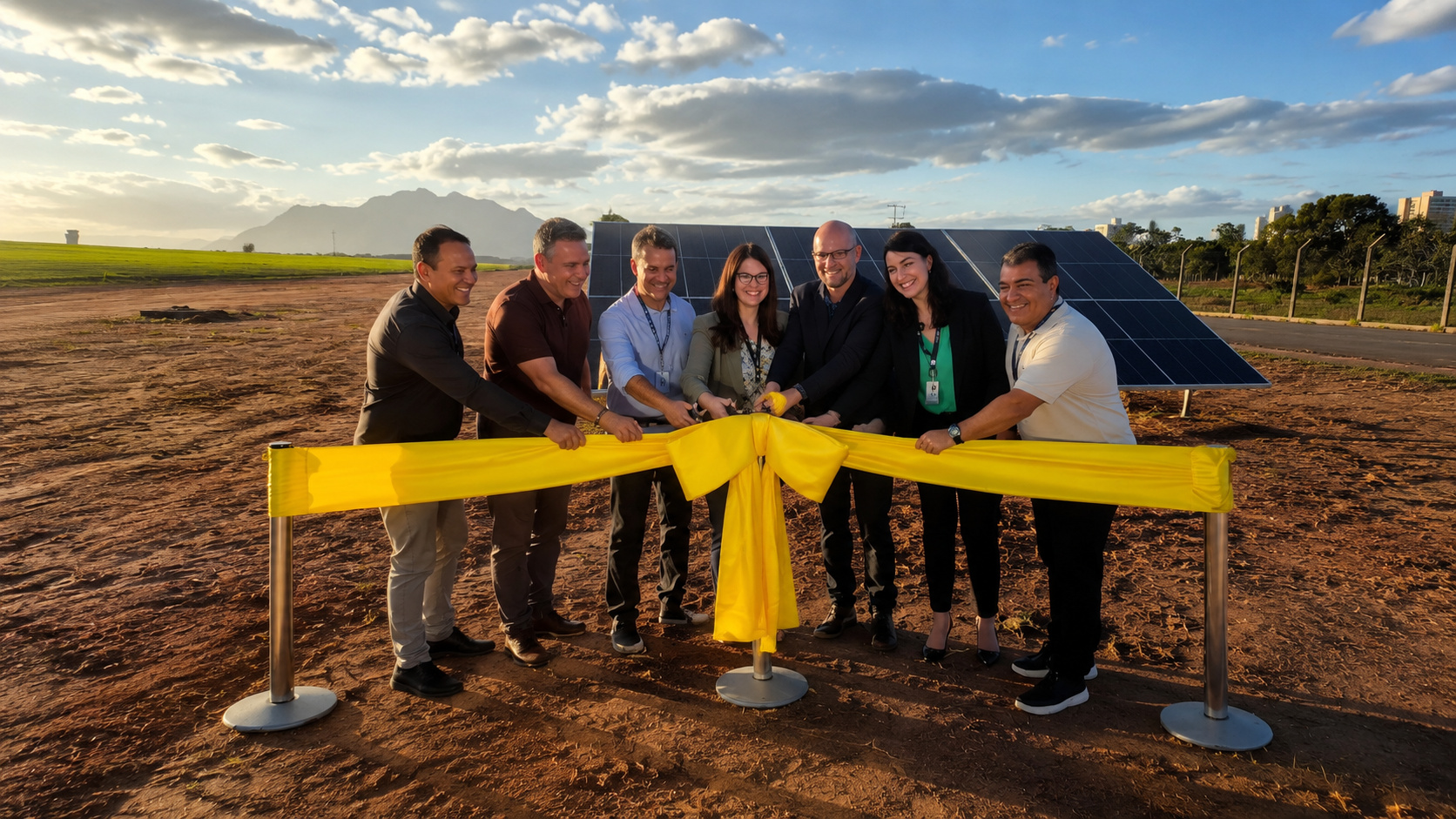
Brazil’s Vitória Airport to Launch Solar Plant Covering Area of 10 Soccer Fields, Boosting Clean Energy and Cutting Costs

-
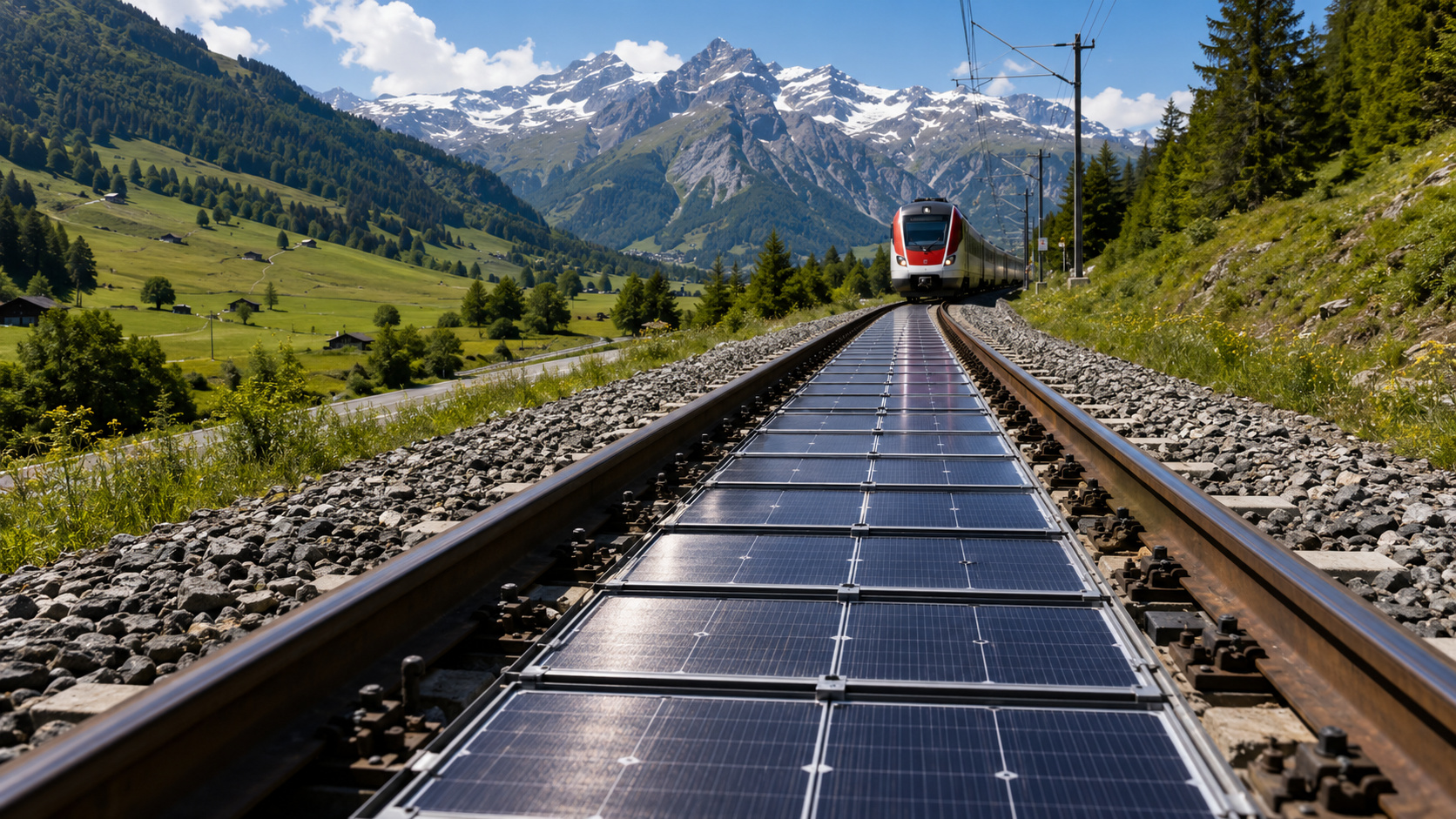
Switzerland Converts Train Tracks into Solar Power Plants with Removable Panels to Generate Energy Without Using Additional Land
-
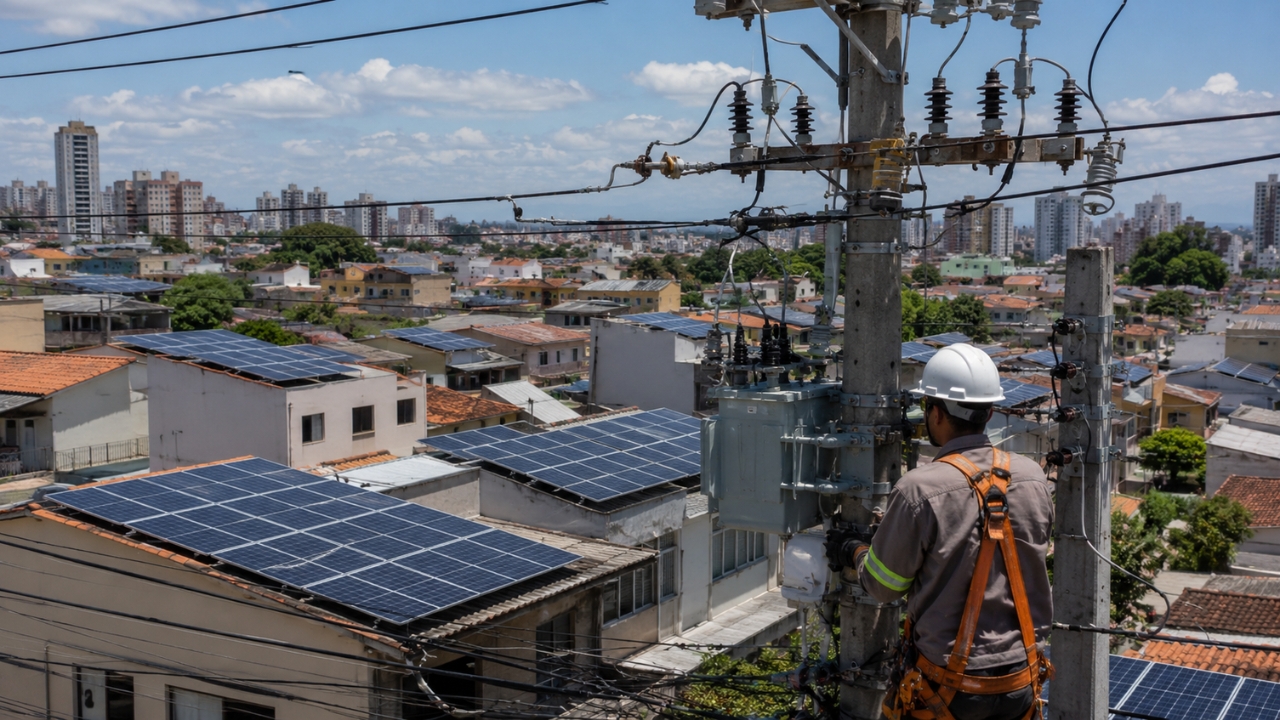
Surge in Solar-Powered Homes in Brazil Leads to Grid Strain and Connection Restrictions in Three States

-
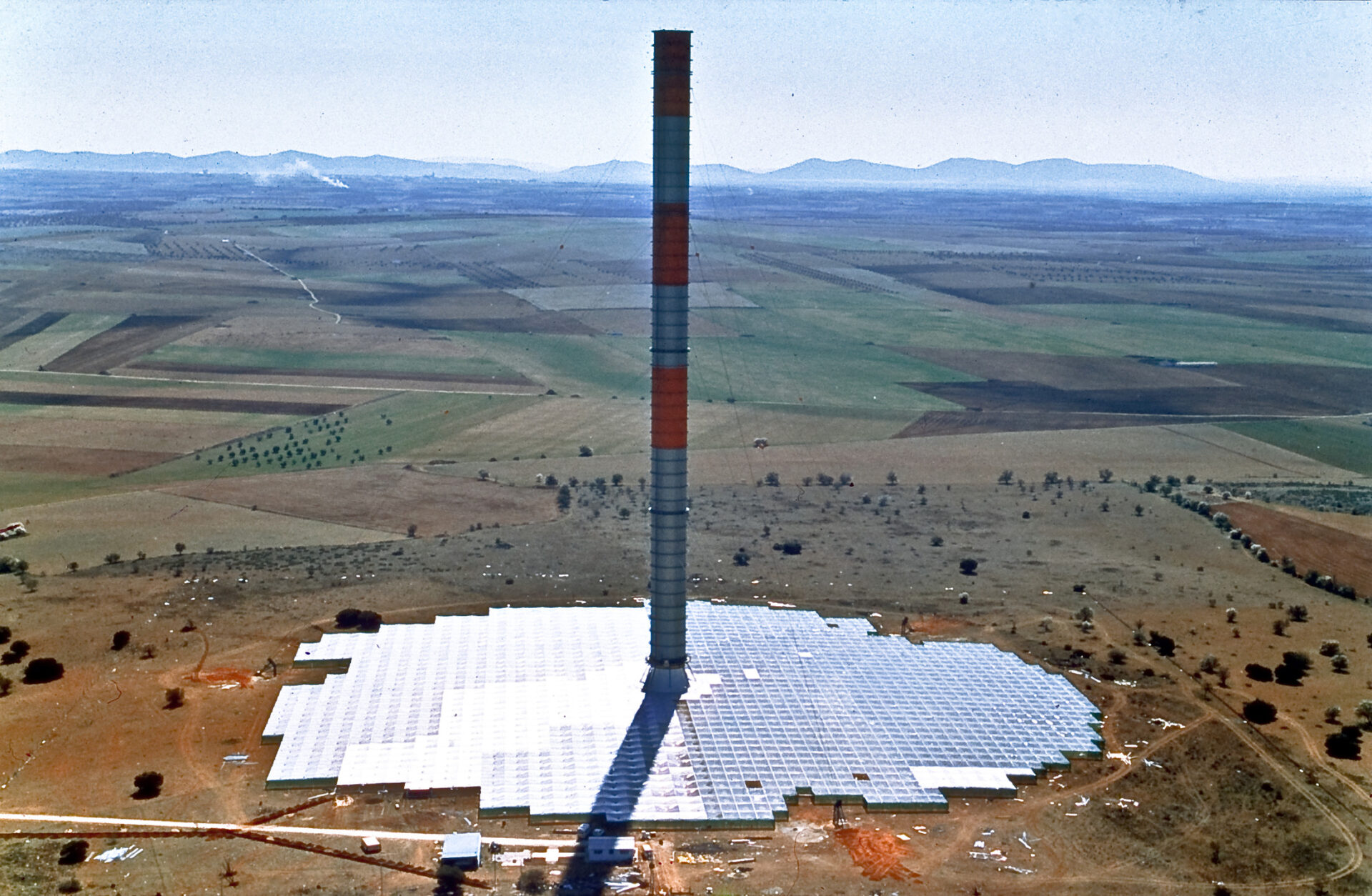
Solar Chimney in Spain Harnessed Sun to Generate Electricity for 7 Years Without Burning Fuel

Furthermore, this advance did not occur in isolation. It reflects a combination of factors, such as economic incentives, reduced technological costs, and increased demand for renewable sources.
In this sense, solar energy has come to play an increasingly relevant role in the state’s energy matrix. As a result, Amazonas positions itself as one of the most promising emerging markets in the sector.
Expansion in municipalities and access to clean energy
Another important fact involves the distribution of this technology. Currently, the state has more than 15.8 thousand solar energy connections, spread across 58 municipalities, including Manaus.
This means that the technology is not restricted to the capital alone. On the contrary, it is expanding into the interior, broadening access to clean and decentralized energy.
Furthermore, this expansion helps reduce dependence on isolated systems and more polluting sources, common in remote regions of the Amazon.
Economic impact and billion-dollar investments
The growth of solar energy in Amazonas also brings significant economic impacts. According to the Em Tempo website, the sector has already attracted about R$ 1.2 billion in investments over the past few years.
This volume of resources demonstrates market confidence in the region’s potential. Furthermore, it indicates that solar energy has ceased to be merely an alternative and has become a strategic opportunity.
On the other hand, projections indicate new investments close to R$ 710 million. This further reinforces the trend of continuous growth in the sector.
Why solar energy is growing so much in the region
Several factors explain the advance of solar energy in Amazonas. Firstly, the state has high solar incidence throughout the year, which favors photovoltaic energy generation.
Furthermore, there has been a significant reduction in equipment costs in recent years. This has made the technology more accessible to consumers and businesses.
Another important point involves regulatory incentives. Public policies and financing facilities have stimulated the adoption of solar energy in different regions of the country.
In this context, Amazonas benefits from a combination of favorable natural and economic conditions.
The importance of solar energy for sustainability
The expansion of solar energy in the state also has a direct impact on sustainability. By replacing traditional sources, photovoltaic energy reduces greenhouse gas emissions.
Furthermore, it contributes to environmental preservation, especially in a sensitive region like the Amazon.
Another important benefit is the reduction in the use of fossil fuels in isolated systems. In many localities, diesel generators are still used, which increases costs and environmental impacts.
Therefore, solar energy emerges as a cleaner, more efficient solution aligned with global environmental demands.
The role of energy decentralization
Distributed generation is one of the main drivers of solar energy growth in Amazonas. This model allows consumers to generate their own energy, reducing dependence on large power plants.
Furthermore, decentralization improves the efficiency of the electrical system, reducing transmission losses.
In this sense, solar energy contributes to a more modern and resilient model of energy production.
At the same time, it expands access to energy in remote regions where traditional infrastructure is limited.
Challenges for the expansion of solar energy
Despite the growth, there are still challenges for the consolidation of solar energy in Amazonas. One of the main ones involves the region’s logistical infrastructure.
Transporting equipment to remote areas can increase costs and hinder project implementation.
Furthermore, regulatory and bureaucratic issues can still limit the pace of expansion.
Another important challenge is the need for professional qualification. The growth of the sector requires specialized labor for the installation and maintenance of systems.
The future of solar energy in Amazonas
The prospects for the sector are positive. With new investments planned and increased demand, the trend is for continued growth in solar energy.
Furthermore, technological evolution should make systems even more efficient and accessible.
In this scenario, Amazonas can consolidate itself as one of the country’s main renewable energy hubs.
According to the Em Tempo website, the new financial contributions planned reinforce the expansion potential and indicate that the sector will continue to be on the rise in the coming years.
The impact on the economy and society
The expansion of solar energy does not only impact the energy sector. It also generates jobs, boosts the economy, and stimulates regional development.
Furthermore, the reduction in energy costs can benefit consumers and businesses, increasing competitiveness.
Another relevant point is the social impact. Access to clean energy improves the quality of life, especially in more remote regions.
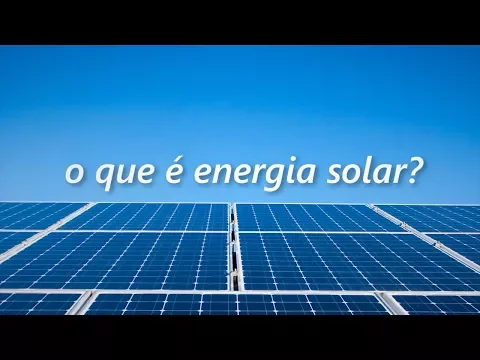

The strategic role of solar energy in Brazil
The growth of solar energy in Amazonas reflects a national trend. Brazil has great potential for photovoltaic generation due to its geographical location.
Furthermore, the country has been increasing investments in renewable sources, seeking to diversify its energy matrix.
In this context, solar energy stands out as one of the main bets for the future.
At the same time, it contributes to the fulfillment of environmental goals and the reduction of carbon emissions.
What this scenario represents for the future
The advancement of solar energy in Amazonas shows that the energy transition is already underway. Regions previously considered challenging are beginning to adopt sustainable solutions.
Furthermore, accelerated growth indicates that the sector still has great room for expansion.
Finally, this scenario reinforces that solar energy is not just a trend, but a consolidated reality, with a direct impact on the economy, the environment, and society.
As new investments arrive and technology evolves, the expectation is that solar energy will continue to transform the energy landscape of Amazonas and all of Brazil.