






 Portuguese
  Spanish
  3 min of reading
  0 comments


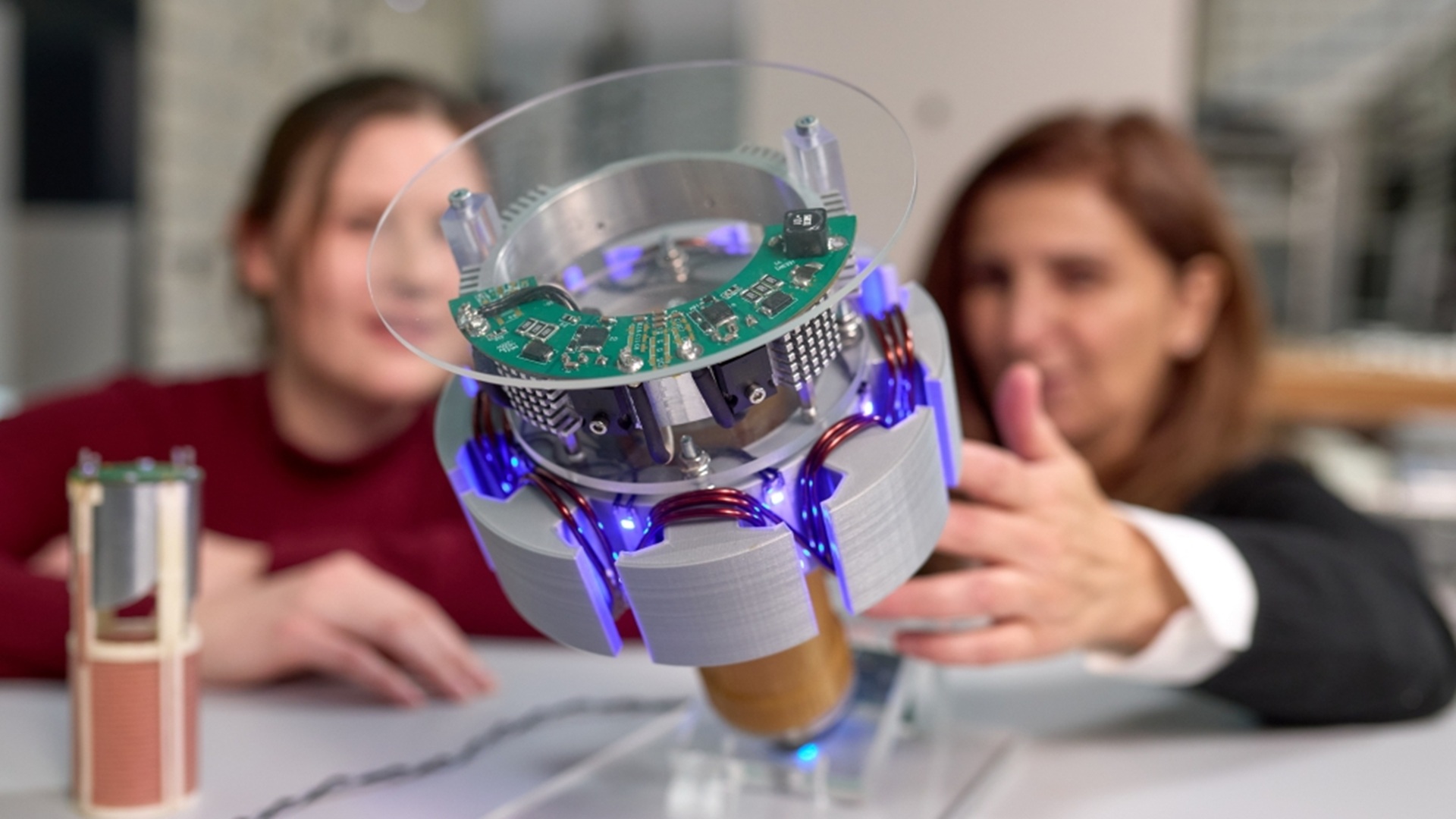
The high-efficiency induction system eliminates the dependency on cables, enabling dynamic supply on highways and the return of energy to the grid.
The wireless charging technology for electric vehicles has reached a historic milestone of 95% efficiency, matching traditional systems with cables.
Developed by researchers at the Oak Ridge National Laboratory (ORNL), the system uses electromagnetic induction energy transfer to power batteries quickly and safely. In addition to simplifying refueling, the innovation allows cars to function as mobile storage units to stabilize electrical grids.
Energy efficiency and charging in motion
The advancement in wireless charging efficiency for EVs allows energy to be transferred through an air gap without significant heat loss. Using advanced design electromagnetic coils, the ORNL system achieved a transfer rate of 100 kW, representing a substantial leap from previous prototypes.
-
Helicopter Drops 180 Tons of Sand and Gravel on Swedish River to Revive Ecosystem Damaged by Decades of Exploitation

-
Brazilian Company Launches Retro Smartphone with 48 MP Camera, T9 Keyboard, and Privacy Features for Social Media-Free Use

-
Self-Taught Chinese Farmer Builds 5-Ton Submarine from Scrap, Launches It in Anhui River
-
Invisible Induction Technology Enables Wireless Power for Blenders, Coffee Makers, and Air Fryers, Reducing Countertop Cables





This technology enables “dynamic charging,” where vehicles recover charge while traveling on highways equipped with induction plates beneath the asphalt.
The implementation of this infrastructure reduces the need for gigantic batteries in cars, as recharging occurs continuously during the journey. The system is designed to be compatible with different types of soil and weather conditions, ensuring that the wireless charging efficiency for EVs is not compromised by external factors. The elimination of the need for physical plugs removes one of the main convenience barriers to the mass adoption of electric vehicles.
Bidirectional integration and support for electric grids
One of the differentiators of this project is the capability for bidirectional energy flow, transforming the vehicle into an asset for urban infrastructure. With wireless charging efficiency for EVs operating at high levels, cars can return excess energy to homes or to the electrical grid during peak demand.
This functionality, known as Vehicle-to-Grid (V2G), helps balance loads and integrates renewable energy sources more effectively.
The system operates through a rotating magnetic field that synchronizes the frequency between the base plate and the receiver in the vehicle. This technical precision ensures that energy flows in both directions with maximum safety, preventing overloads in the automobile storage system. The technology of wireless charging efficiency for EVs makes energy management smarter and more automated, without manual user intervention.
Future of infrastructure and urban sustainability
The commercial application of this wireless charging efficiency for EVs technology promises to revolutionize the planning of smart cities.
By integrating induction charging at bus stops and logistics areas, entire fleets can operate for 24 hours without interruptions for refueling at fixed stations. ORNL highlights that the maintenance cost of wireless systems is lower than that of wired systems, due to the absence of mechanical wear on connectors.
In the long term, high wireless charging efficiency for EVs directly contributes to the reduction of the global carbon footprint. With more frequent and efficient charging, batteries can be smaller and lighter, requiring less extraction of critical minerals such as lithium and cobalt.
The success of these large-scale tests marks the beginning of a new era where mobility and the electrical grid operate in a fully symbiotic manner.
With information from Interesting Engineering





Be the first to react!