






 Portuguese
  Spanish


China expands environmental goal and aims to achieve 76% urban recycling by 2030 with record expansion of plants and new sustainable rules
The new Chinese environmental strategy aims to expand large-scale domestic waste recovery, reduce landfill use, and consolidate one of the most advanced urban recycling systems on the planet in the coming years.
China has taken another step in its environmental transformation strategy and announced a new ambitious goal for the coming years. According to information released by the Ministry of Housing and Urban-Rural Development of China, the country aims to raise the urban domestic waste recycling rate to more than 76% by the end of 2030. The information was originally published by the state agency Xinhua on May 25, 2026, and later adapted by the portal Poder360.
The announcement was made during the 4th National Week of Awareness on Urban Domestic Waste Separation, held between May 25 and 31. The event brought together authorities, environmental experts, and representatives from the sanitation sector to discuss the next steps of China’s environmental policy.
-
Green Roofs on Homes Gain Popularity for Reducing Heat, Noise, and Rain Impact in Brazil

-
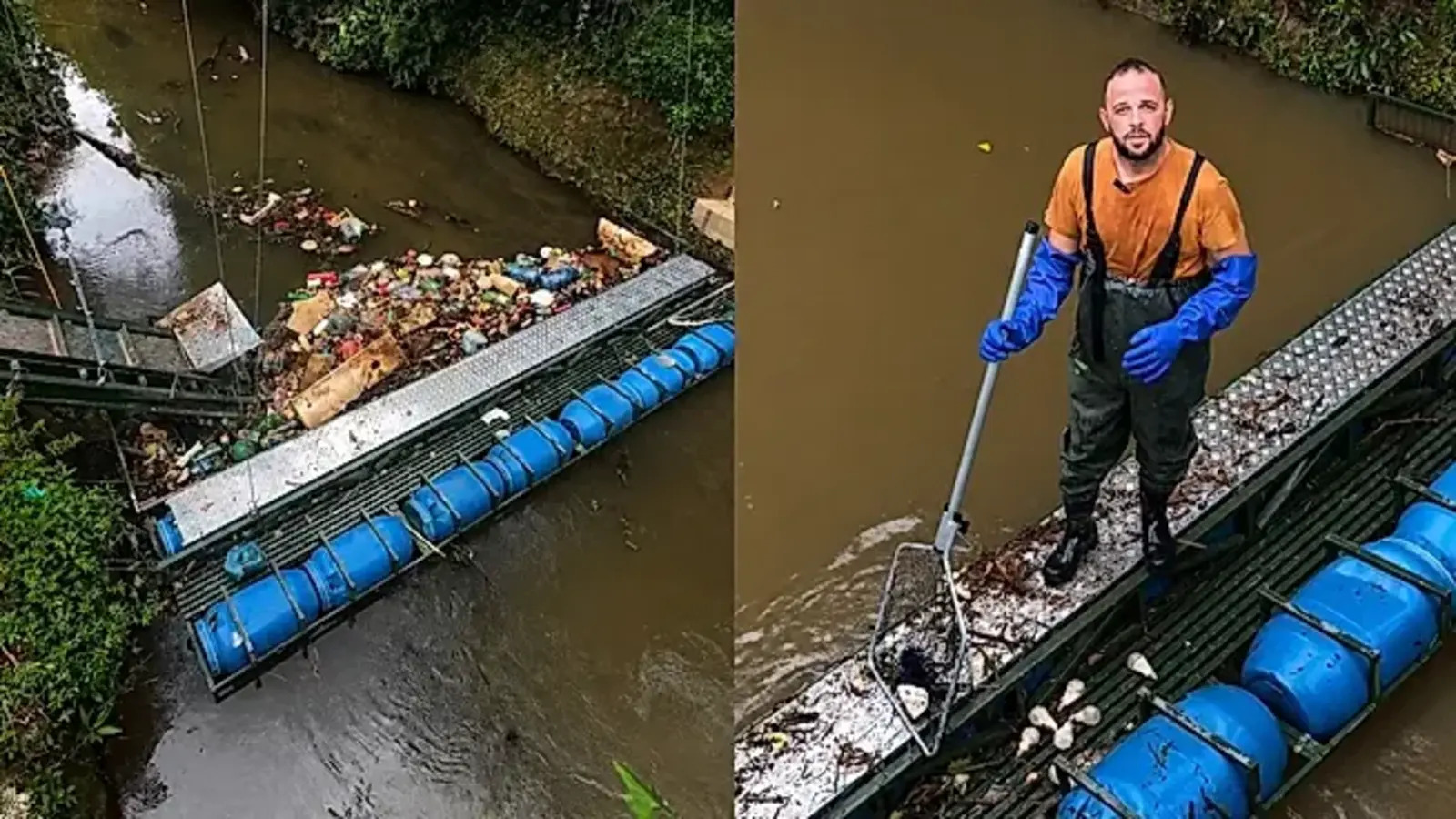
Brazilian promises his children to save a river, creates an eco-barrier in his backyard, has already removed more than 40 tons of trash from the water, and even inspires the idea in other states of the country.

-
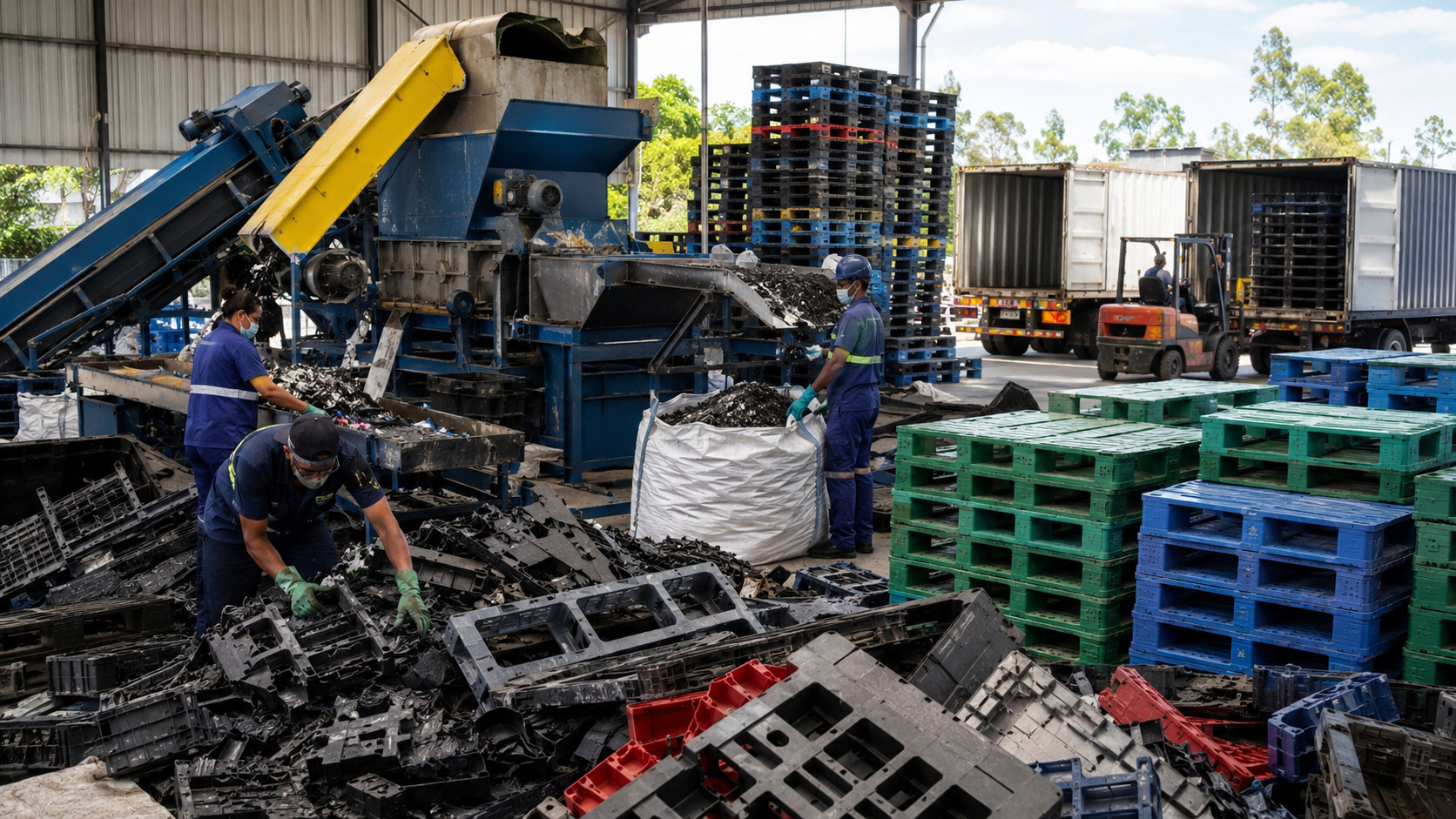
How a Brazilian company created a system that transforms broken pallets of any brand into new assets, recycles 80 tons of plastic per month, and found a profitable solution to a problem that challenges industries across the country.
-
Invasive bullfrog capable of devouring other amphibians and laying up to 20,000 eggs is found in Florianópolis, raising an alert about the threat to native fauna.


The new goal reinforces China’s position as one of the nations that invest the most in environmental infrastructure and urban solid waste management. Furthermore, the plan is part of a broader sustainable development project known by the Chinese government as “Beautiful China,” an initiative that seeks to reduce environmental impacts and improve urban quality in the country’s main regions.
China accelerates waste separation and expands environmental control in major cities
According to representatives of the Chinese government, the actions planned for the coming years involve strengthening waste separation, increasing the reuse of recyclable materials, and expanding safe disposal policies.
In this regard, the Ministry of Housing and Urban-Rural Development stated that it intends to improve regulatory structures, modernize collection systems, and increase the recovery rates of recyclable waste in urban areas.
The strategy also includes investments in environmental education, public awareness campaigns, and modernization of recycling infrastructure. According to the ministry, the goal is to transform waste management into one of the central pillars of sustainable urban growth in China.
Over the past ten years, China has accelerated pilot projects and demonstration models focused on domestic waste separation. As a result, practically all residential communities located in 297 cities at the prefecture level or above currently have waste separation systems.
Additionally, these cities collectively approved 199 local regulations and rules related to the proper disposal of household waste. At the same time, more than 100 technical standards focused on the environmental sector were also issued.
Experts assess that the regulatory advancement directly contributed to increased efficiency in waste treatment and the gradual reduction of dependence on traditional landfills.
Number of Incineration Plants Grows and China Reduces Dependence on Landfills
The latest government data reveals the extent of the infrastructure built by China in recent years. According to the ministry, the country ended 2025 with 1,137 waste incineration facilities distributed across different regions.
Together, these units have a combined capacity to process approximately 1.18 million tons of waste per day. This volume places China among the largest global markets for urban waste thermal treatment.
The expansion of incineration plants is part of China’s strategy to drastically reduce the sending of waste to landfills. At the same time, the government states that the systems operate under strict environmental and technological controls.
Fifteen provincial-level regions, including Beijing, Zhejiang, and Shandong, have already reached the “zero landfill” target for untreated household waste. In practice, this means that virtually all urban waste generated in these areas receives some form of treatment before final disposal.
According to Chinese authorities, the emission control standards adopted in the plants are currently among the most stringent in the world. Even so, the model continues to be closely monitored by international environmental organizations, mainly due to debates about atmospheric emissions and long-term environmental impacts.
Chinese Environmental Strategy Gains Global Attention and Influences Urban Policies
China’s accelerated progress in waste management has been drawing the attention of urban sustainability and environmental planning experts around the world.
While various countries still face difficulties in expanding recycling programs and reducing the use of landfills, China bets on a combination of public investments, strict regulation, and technology to achieve increasingly aggressive environmental goals.
In addition to traditional recycling, the country also invests heavily in circular economy, energy recovery from waste, and intelligent urban collection systems.
As published by Xinhua, the Chinese government considers that the modernization of waste management will be decisive in sustaining urban growth in the coming decades. The expectation is that the new plan will contribute not only to improving environmental indicators but also to strengthening sectors related to clean energy, green infrastructure, and technological innovation.
With a gigantic urban population and increasing pressure on natural resources, China is trying to transform one of its biggest environmental challenges into a strategic opportunity for sustainable development.



Be the first to react!