Portuguese
  Spanish


With an investment of US$ 7 billion, Australia acquires new ‘Upgraded Mogami’ class frigates to replace old vessels and modernize its Navy.
The Royal Australian Navy will undergo a radical technological transformation following the signing of a billion-dollar agreement with Japan for the construction of new frigates. The chosen project is based on the ‘Upgraded Mogami’ class, a naval platform of the latest generation that stands out for its high level of automation and stealth design.
The contract stipulates that the first units will be delivered in 2029, setting a new record for agility in the acquisition of warships by the Australian government in peacetime. The program, named SEA 3000, focuses on replacing the Anzac frigates, which have already reached the end of their service life.
According to defense planning, the goal is to deploy ships that require fewer crew members but deliver significantly greater destructive power and surveillance than the current ones.
-
U.S. Air Force Launches Air-to-Air Missile Project with Range of Up to 1,850 km for Indo-Pacific Operations

-
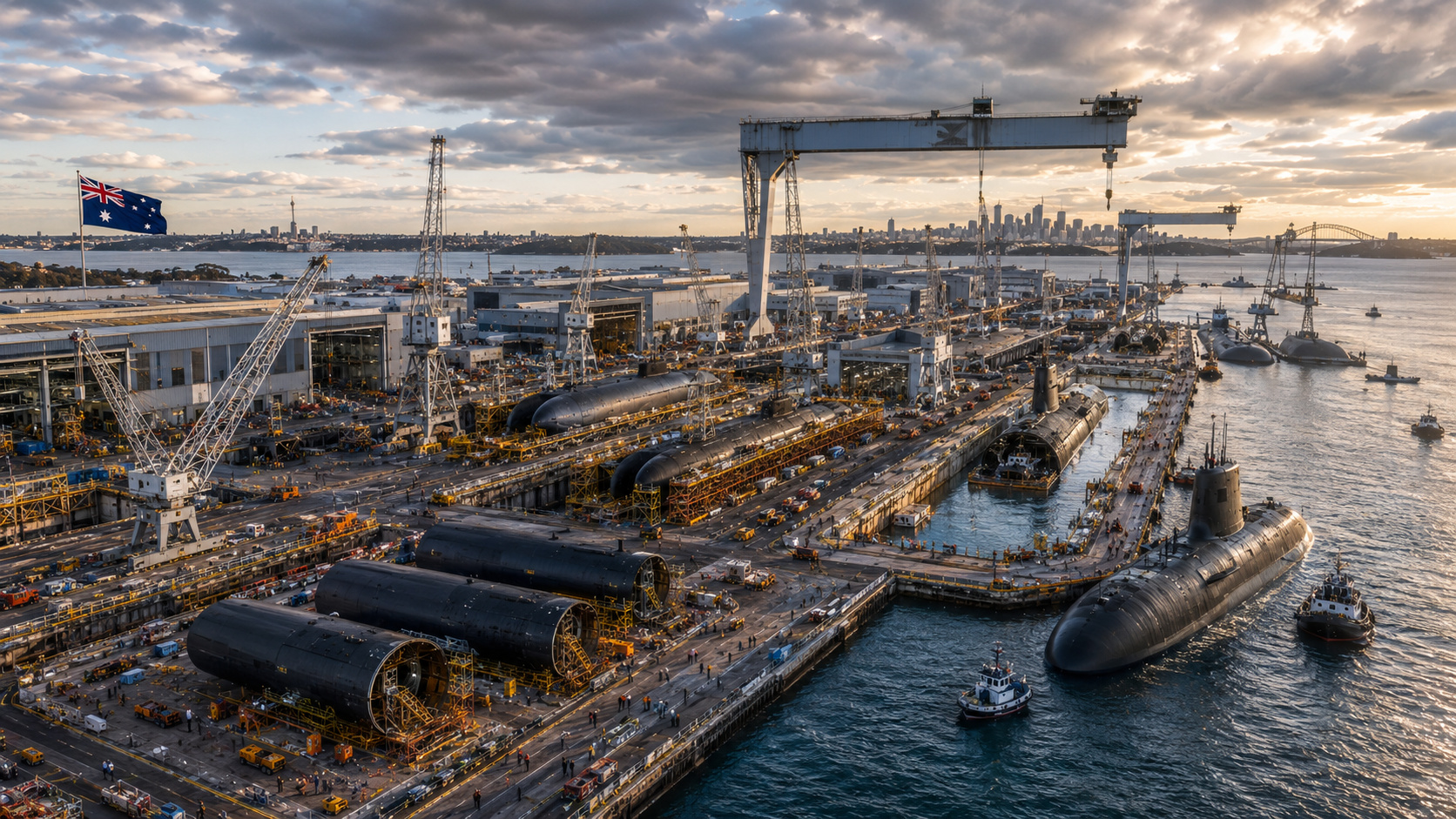
Australia to Deploy Up to 8 Nuclear-Powered Submarines in Indo-Pacific, Establishes Billion-Dollar Naval Chain Through AUKUS, Joining Elite Group Capable of Extended Underwater Missions

-
Indonesia Begins Construction of 2,000-Ton Scorpène Stealth Submarines with Advanced Weaponry and French Steel

-
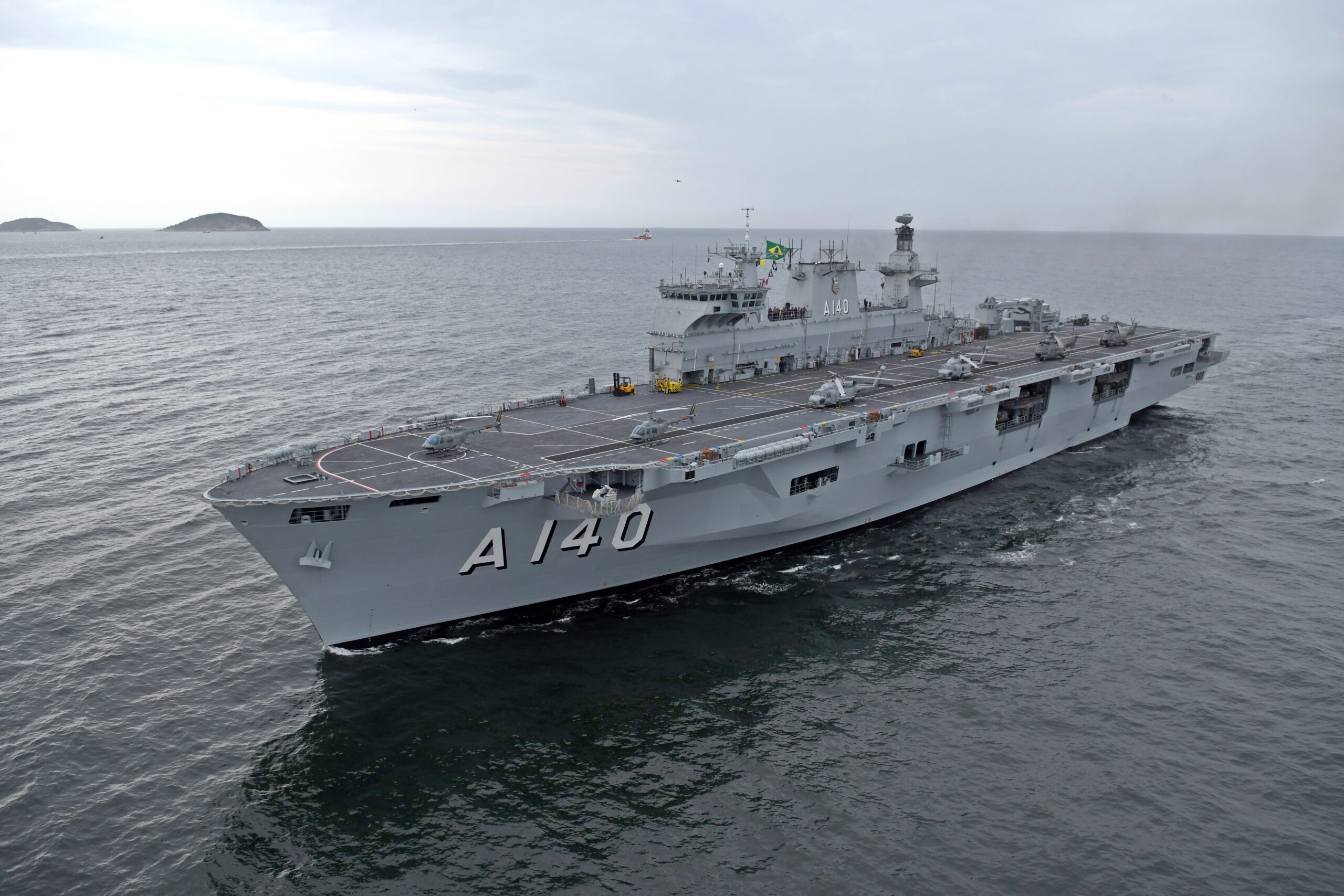
Brazil’s Largest Navy Ship, NAM Atlântico, Transforms into Field Hospital During National Crises



Automation and technical specifications of the ‘Upgraded Mogami’ class
The major difference of the new ‘Upgraded Mogami’ class frigates lies in their ability to operate with a reduced crew. While similarly sized ships typically require hundreds of military personnel, this Japanese project needs only 92 people on board.
This is made possible thanks to intelligent control systems that automatically monitor almost all functions of the vessel.

Among the main technical attributes confirmed in the new contract with Australia are:
- Firepower: Equipped with 32 vertical launch system (VLS) cells for various types of missiles.
- Displacement and Range: Ships of 4,800 tons with the ability to travel up to 10,000 nautical miles.
- Combat Versatility: Systems optimized for air defense, surface attacks, and anti-submarine warfare.
- Air Integration: Deck prepared to operate and maintain the MH-60R Seahawk helicopter.
Strategic production and industrial exchange
Although Mitsubishi Heavy Industries leads the initial construction in Japan, the contract establishes a long-term partnership for the Australian industrial base. The total plan for 11 vessels will be divided to ensure technology transfer and local logistical support.
While the first three units will be manufactured in Japanese shipyards to expedite delivery, the other eight new ‘Upgraded Mogami’ class frigates are expected to be produced in Australia itself.

The chosen location for this mission is the Henderson shipyard in Western Australia. Thus, the country not only modernizes its arsenal but also strengthens its economy and technical capacity to keep these ships operational for decades.
The impact of the alliance on regional balance
Australia’s decision to invest in Japanese design reinforces the alliance between two of the United States’ main partners in the region. For Japan, this is one of the most important military export agreements of the last decade, consolidating its defense industry in the global market.

On the other hand, for Canberra, the $7 billion investment is a direct response to naval competition and the need to protect routes in the Indian Ocean and the Pacific. Furthermore, the acquisition aligns with a security review conducted in 2024, which highlighted the urgency for a more lethal fleet to ensure deterrence against external pressures.
Therefore, the implementation of the ‘Upgraded Mogami’ class redefines Australia’s presence at sea. With ships that are difficult to detect by radar and ready to operate on multiple fronts, Australia seeks to consolidate its sovereignty in an increasingly unstable and contested maritime environment.
With information from Naval Power