Portuguese
  Spanish


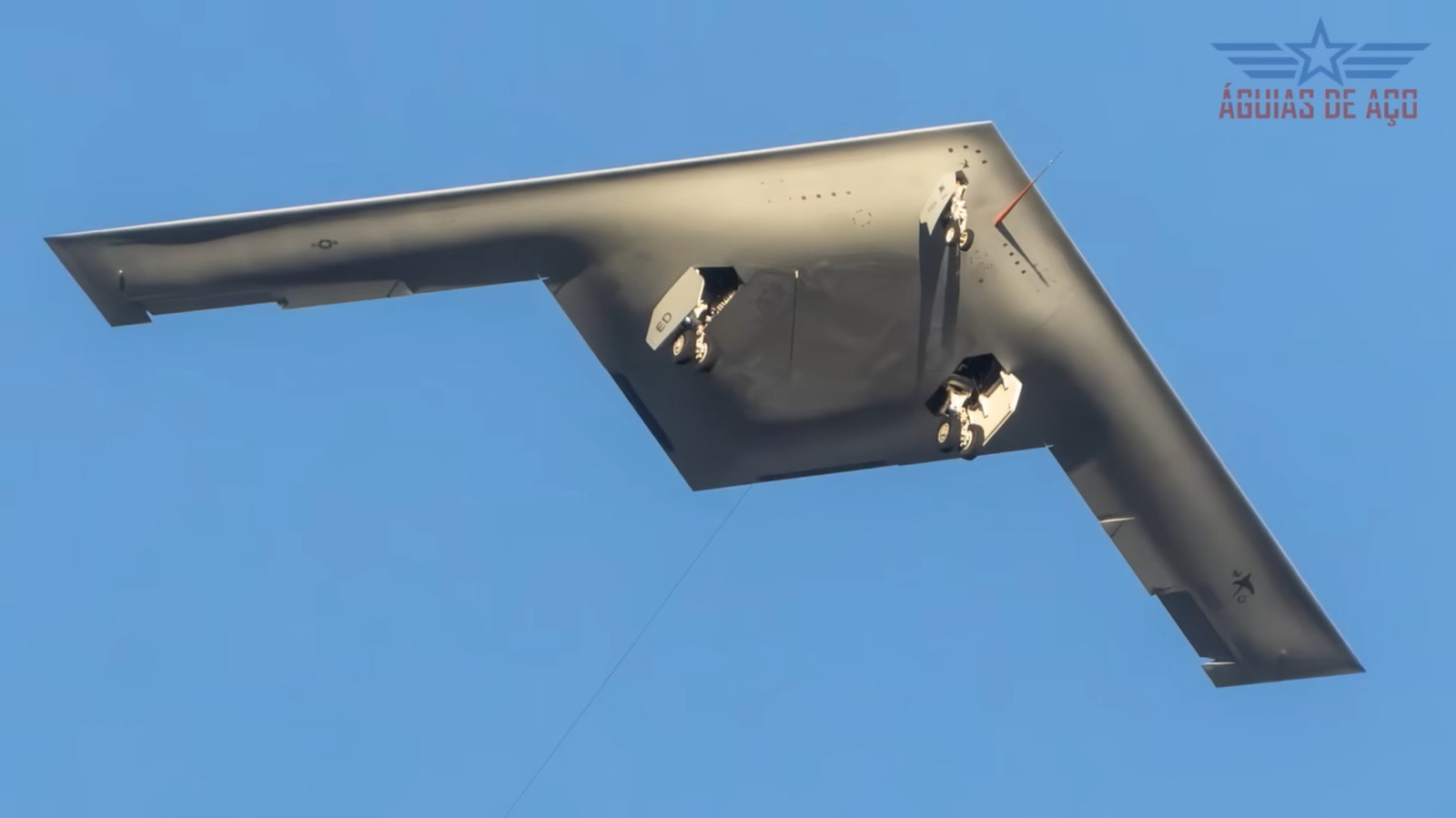

With flying wing, radar-absorbing materials, internally carried arsenal, and upgradable systems, the B-21 Raider was designed to cover long distances, share tactical data, and strike with high stealth
The B-21 Raider marks a new phase in stealth aviation by combining global range, low detectability, and internal offensive capability in a single bomber, designed to operate beyond the most advanced defense systems and maintain relevance in complex missions.
No modern bomber combines so much power, so much invisibility, and a structure designed to advance without exposure to the most sophisticated defenses in operation.
This is its global differentiator on a very large scale.
-
She spent 73 years breathing inside an iron lung, survived the aftereffects of polio, and became the last woman in the United States dependent on the equipment before dying at 78 years old.

-
Brazilian students created a $1 filter using pine bark, cotton, and 3D-printed parts to clean cassava wastewater, reduce the toxicity of a hazardous waste, and transform contaminated water into biofertilizer.

-
Astronaut from Artemis II steps down after mission to the Moon and decision surprises after a record of 406,771 km, a historic 10-day journey, and an unprecedented achievement for Canada.

-
A fossil kept for years in a small museum in Montreal concealed 450-million-year-old soft tissue, a discovery that has only happened once before in history.


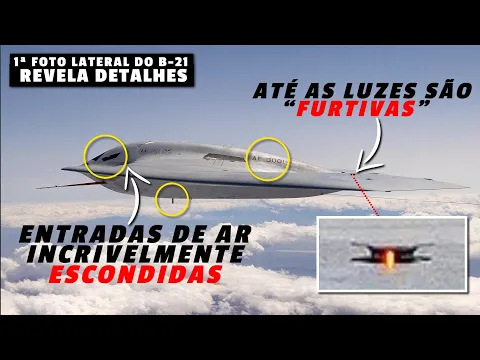

Flying wing reduces radar reflections
The Steel Eagles channel, which has 349,000 subscribers, highlights the B-21 Raider’s flying wing configuration, with no tail and no vertical surfaces, a design aimed at drastically reducing the reflections captured by radars.
With less drag and a more discreet silhouette, the bomber crosses oceans and monitored areas with lower fuel consumption and minimal signature in front of enemy systems.
Materials enhance the stealth of the B-21 Raider
Stealth does not only depend on shape. The B-21 Raider also uses Radar Absorbing Materials, capable of converting electromagnetic waves into heat and weakening the echo that would return to tracking stations.
The set also includes thermal and acoustic management solutions, which reduce engine exhaust to levels difficult to detect at high altitudes, reinforcing the aircraft’s stealth.
Internal arsenal preserves stealth
All of the Raider’s arsenal is carried inside the aircraft, which preserves its low detectability even in missions with a large offensive load.
Among the mentioned armaments are GPS or laser-guided bombs for pinpoint targets and reinforced bunkers, long-range cruise missiles for attacks outside the enemy defense zone, as well as conventional and nuclear munitions.
The bomber can also employ upgradable smart munitions, allowing the configuration to be adapted according to each mission without sacrificing stealth.
Data and automation platform in missions
In addition to its offensive capability, the B-21 also acts as a data platform, receiving and sharing tactical information with sensors and other aircraft during operations in highly defended territories.
With an open systems architecture, the bomber accepts frequent software updates and the integration of new sensors with algorithms aimed at threat analysis and the definition of safe routes.
Automation reduces the crew’s workload. While pilots maintain tactical decisions, the systems manage navigation, communications, and real-time coordination, enhancing the operational efficiency of the Raider.
With information from Revista Fórum.