






 Portuguese
  Spanish
  4 min of reading
  0 comments


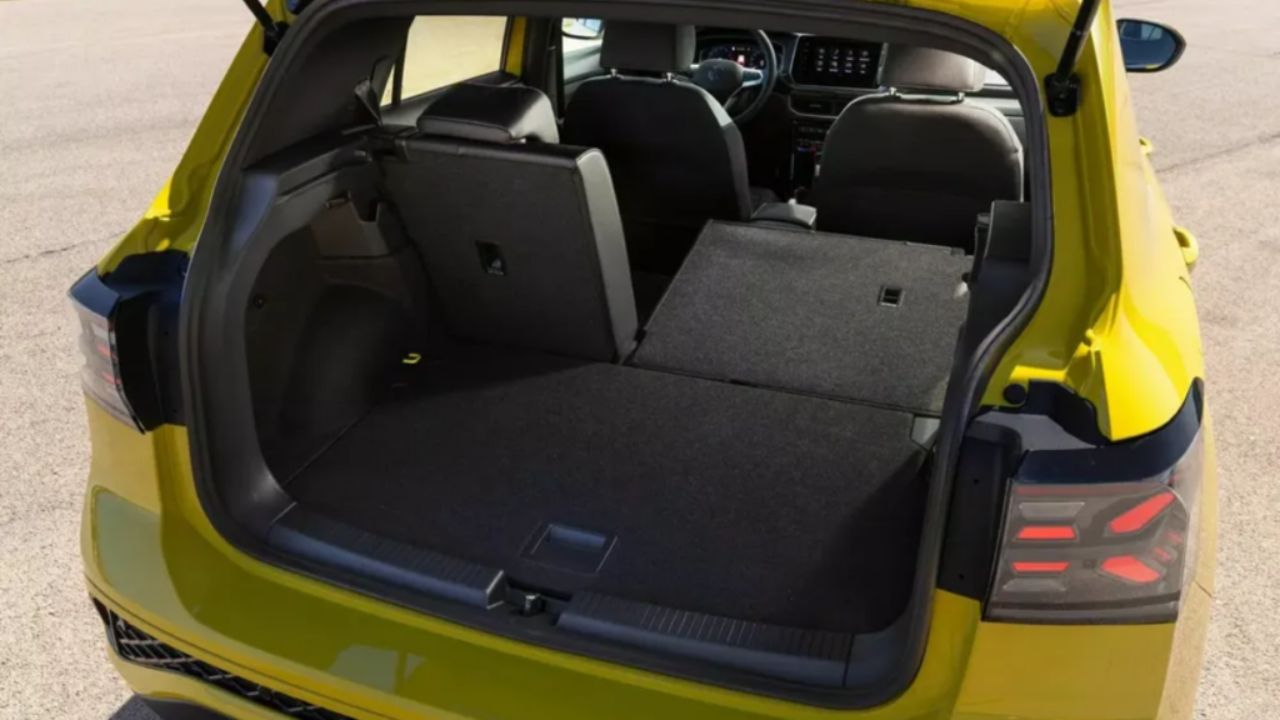
Volkswagen T-Cross leads SUVs in Brazil in April 2026 and maintains advantage over Creta, Tracker, and Compass.
The dominance of compact SUVs in the Brazilian market gained another chapter in April 2026 with the Volkswagen T-Cross remaining at the top of the segment. The Volkswagen T-Cross registered 7,810 units sold in the month, according to surveys released by Localiza, maintaining an advantage over rivals such as Hyundai Creta, Chevrolet Tracker, and Jeep Compass.
The result reinforces the strength of Volkswagen’s SUV in one of the country’s most competitive segments. Today, compact SUVs account for a large portion of national sales and have become the main arena of competition among mainstream automakers.
In this scenario, the T-Cross managed to maintain a prominent position by combining TSI turbo engines, a comprehensive technology package, competitive interior space, and a version strategy that ranges from the most accessible configurations to more premium-focused models.
-
Uber Faces Shareholder Scrutiny as Board Accused of Ignoring Safety, Compliance, and Harassment Warnings Amid Over 3,500 U.S. Lawsuits

-
Ferrari’s First Electric Car Divides Fans, Priced at $630,000, Amid Concerns Over Limited Editions; Brand Clarifies It’s Not Just for Future Perks
-
BYD Dolphin Mini: The Electric Car That Defies Depreciation, Losing Only 3.58% in a Year and Becoming the Best-Selling Retail Model Under $22,000

-
Electric Car JAC E-JS4 Loses $19,000 in Value in One Year, Leading Record Depreciation of Used Cars in Brazil Due to Expensive Battery and New Models


Volkswagen T-Cross sold 7,810 units in April 2026
The Volkswagen T-Cross ended April 2026 as the leader among the best-selling SUVs in Brazil. According to rankings released by specialized automotive press, the model registered 7,810 registrations in the month.
The result kept Volkswagen’s SUV ahead of extremely strong direct competitors in the national market. The T-Cross managed to surpass established models in the segment.
Among the main rivals were:
- Hyundai Creta;
- Chevrolet Tracker;
- Jeep Compass.
The competition among compact SUVs has become one of the most aggressive in the Brazilian automotive industry.
TSI engines are one of the pillars of the model’s success
One of the main differentials of the T-Cross lies in its TSI turbo engines. Volkswagen offers versions with:
- 200 TSI engine;
- 250 TSI engine.
In its most powerful configurations, the SUV can deliver up to 150 hp. This combination helped the model gain a reputation as a compact SUV with above-average segment performance.
Trunk reaches 420 liters
Another important feature of the T-Cross is its interior space. According to official Volkswagen information, the SUV has a trunk with a capacity of up to 420 liters according to the VDA standard.
This figure places the model among the most competitive compact SUVs in terms of luggage space.

The T-Cross also benefited from Volkswagen’s focus on connectivity. The SUV uses the VW Play infotainment system, with a screen up to 10.1 inches.
The system offers integration with smartphones, applications, and digital updates.
Volkswagen transformed the T-Cross into a strategic product in Brazil
The T-Cross currently occupies a central position in Volkswagen’s strategy for the Brazilian market. The SUV competes precisely in the country’s most important segment today:
- Urban compact SUVs.


For decades, compact hatchbacks dominated national sales. Today, the scenario is different. SUVs have increasingly occupied space among consumers looking for:
- elevated driving position;
- robust look;
- greater sense of security;
- interior space;
- urban versatility.
T-Cross combines urban size with family profile
Part of the model’s success comes from the balance between compact dimensions and practicality. Even as an urban SUV, the T-Cross tries to cater to:
- small families;
- daily urban use;
- travel;
- highway commutes;
- consumers who migrated from hatchbacks.
MQB platform helped refine the SUV
The T-Cross uses the MQB platform, Volkswagen’s global modular base. This architecture allowed for improvements in:
- structural rigidity;
- dynamic behavior;
- interior space;
- safety;
- technological compatibility.
In addition to corporate sales, the T-Cross also maintains strong retail performance. This is important because it shows consistent demand among end consumers.
Volkswagen enhanced the model’s perceived value
Throughout its updates, the T-Cross began to incorporate:
- digital dashboard;
- electronic assistants;
- safety controls;
- more refined finish;
- visual sport versions;
- new multimedia systems.
This helped the SUV compete in a broader market segment. The growth of the T-Cross also reflects the structural transformation of the Brazilian market.
Today, compact SUVs account for a huge portion of national sales. Automakers compete for this space because it brings together:
- urban consumers;
- families;
- former hatchback owners;
- compact sedan buyers;
- customers migrating from traditional compacts.
Volkswagen competes for leadership in an extremely competitive market
The T-Cross’s position is noteworthy because the segment brings together some of the country’s strongest vehicles. Direct rivals include:
- Hyundai Creta;
- Chevrolet Tracker;
- Jeep Renegade;
- Nissan Kicks;
- Honda HR-V;
- Fiat Pulse;
- Fiat Fastback.
Brazilian consumers have come to value elevated position and versatility
The rise of the T-Cross also helps explain a change in behavior. Many consumers have abandoned traditional hatchbacks because they now prefer: higher ground clearance; a sense of an elevated cabin; a more robust look; and more flexible interior space.
T-Cross shows how compact SUVs have become the center of the Brazilian automotive industry
With a TSI engine up to 150 hp, a trunk of up to 420 liters, a 10.1-inch VW Play center, and 7,810 units sold in April 2026, the T-Cross has once again consolidated its leadership among SUVs in Brazil.
The model has become one of the symbols of the transformation of the national automotive market, where compact SUVs have come to occupy the space that previously belonged almost exclusively to traditional hatchbacks.
And perhaps it is precisely this combination of turbo engine, technology, interior space, and urban profile that explains why the T-Cross continues to hold off extremely strong competitors in one of the most disputed and lucrative segments of the Brazilian automotive industry.






Be the first to react!