Portuguese
  Spanish


Beatriz Flamini spent almost a year and a half 70 meters deep, with books, cameras, and artificial light, in one of Spain’s most curious isolation experiments
An extreme voluntary isolation experiment caught attention in Spain after Beatriz Flamini left a cave this Friday, the 14th.
The Spanish athlete spent 500 days without direct contact with the outside, without natural light and without instruments to track time.
Beatriz stayed in a cave located 10 kilometers from Motril, in Andalusia, southern Spain.
-
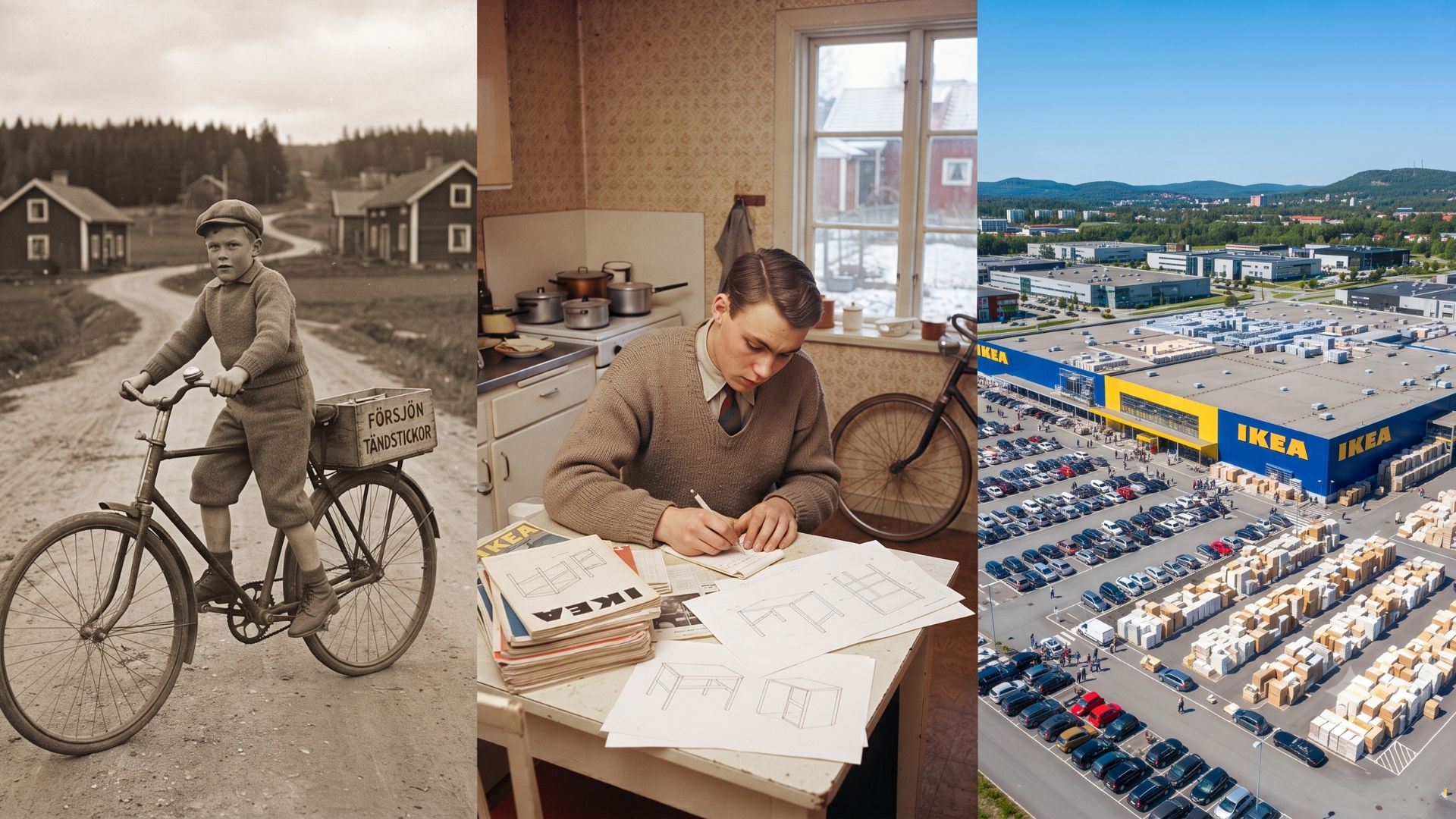
From matches sold by bicycle at age 5 to a global furniture empire: the lumberjack’s son founded IKEA at 17 in his uncle’s kitchen and transformed a small company into the largest furniture retailer on the planet.

-
The mansion in Flamengo, built in 1865 for the Baron of São Clemente and closed for 20 years, has become a spa, event hall, and gym for “Symphony,” a luxury condominium that sold 70% of its gross development value in the first month on the R$ 60 million land of the former Bennett College.

-
The Ipiranga convent, a 1924 building adjacent to the Museum that remained vacant for a decade and became home to dozens of cats, is reborn as “Alma Mater,” a luxury development worth R$ 130 million with a pool in the courtyard and a clubhouse in the former nuns’ chapel.

-
An empty pool of almost 3 meters turned into tilapia farming in the backyard after a family transformed the dangerous space for children into an urban greenhouse with eggs and organic food.



The location was 70 meters below ground, where she lived only with books, cameras, and artificial light.
According to Flamini herself, the experience was “excellent and unbeatable”, even after almost a year and a half without speaking to anyone.
“I have been a year and a half without speaking to anyone, only to myself,” the athlete told journalists after leaving the cave.
Extreme isolation tested body, mind, and routine
Beatriz Flamini’s stay was planned to observe the physical and mental repercussions of prolonged human isolation.
During the period, she had no phone, natural light, or any external time reference.
The athlete used cameras to record the experience, which will be the subject of a documentary by the Spanish producer Dokumalia.
A technical team left food at a point in the cave, without direct contact with Flamini.
In this way, the experience maintained the isolation proposal, even with external safety monitoring.

Technical failure interrupted part of the experience
Subsequently, the newspaper El País and other Spanish outlets reported an interruption during the challenge.
According to the publications, Beatriz had to leave the cave after the first 300 days due to a router failure.
The equipment allowed sending messages to the outside and also requesting help in case of emergency.
During the problem’s resolution, the athlete remained isolated in a tent for about a week.
After that, Flamini returned to the cave and completed the total period of 500 days.

Federation highlighted the unprecedented nature of the challenge
According to David Reyes from the Andalusian Federation of Speleology, many similar challenges had already been undertaken.
In his assessment, none gathered all the conditions applied in Flamini’s case.
The athlete was alone, without contact with the outside, without natural light, and without time references.
The exit from the cave happened with the support of speleologists, who assisted Beatriz in returning to the surface.
Experience will be shown in a documentary
The journey of Beatriz Flamini will be presented in a documentary produced by Dokumalia.
The production is expected to gather records made during the isolation and show how the athlete lived inside the cave.
The proposal was to follow the physical and mental effects of an unusual experience.
The case arouses curiosity about human limits in the face of solitude, the absence of natural light, and the loss of time perception.
How far can the body and mind endure when a person is isolated from the world for 500 days?