






 Portuguese
  Spanish




Yamaha Updates The Tricity Line In Japan With Blue Core Engines, Smart Dashboard, And SUV-Inspired Design. Models Arrive With Technological Upgrades, Such As Connectivity, Innovative Safety Systems, And Prices Already Set For The Japanese Market.
Yamaha presented in Japan the new Tricity 125 ABS and Tricity 155 ABS with three wheels and LMW (Leaning Multi-Wheel) system.
The commercial debut marks the first major visual overhaul since the arrival of the Tricity 125 in 2014.
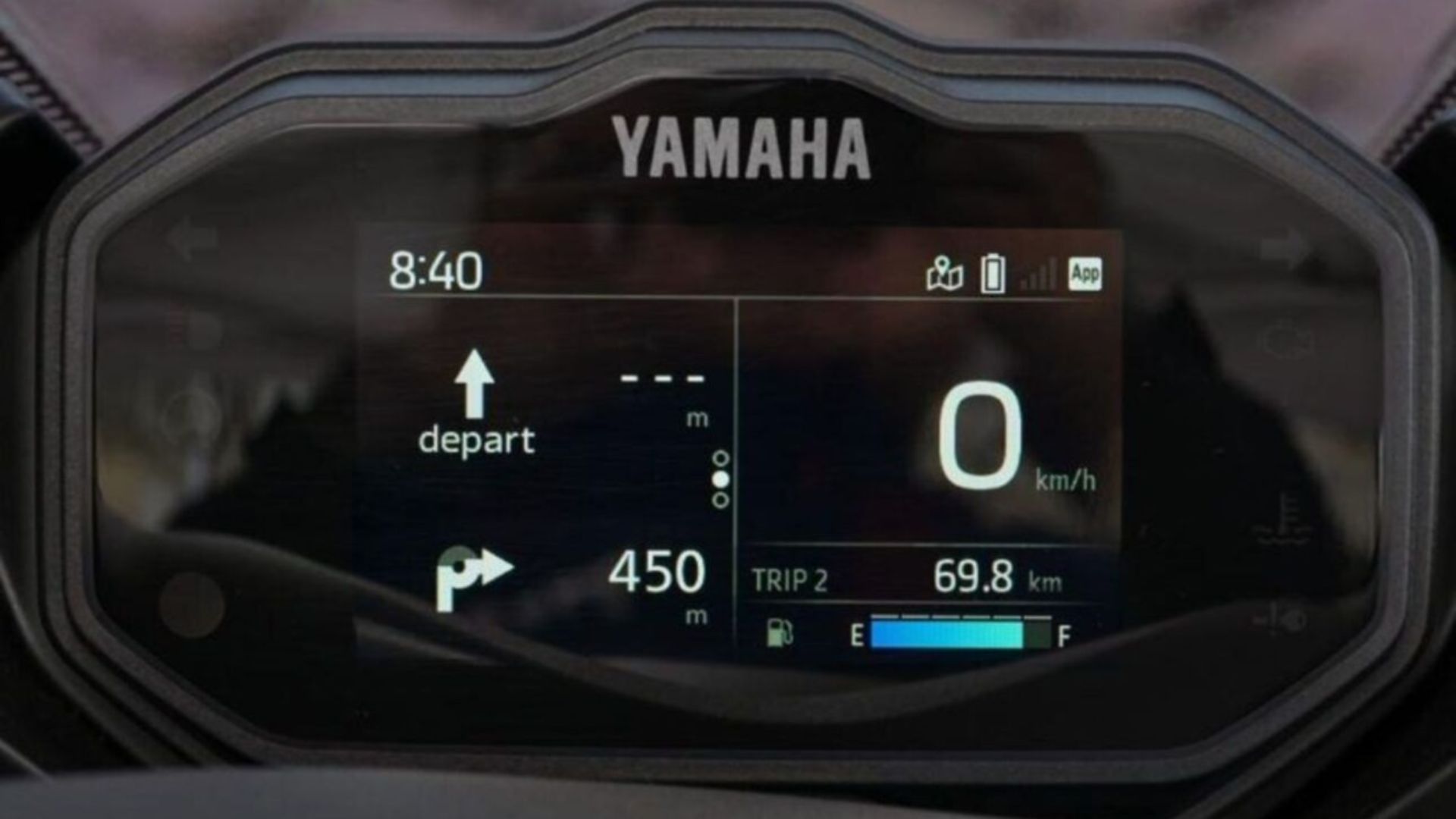
In addition to the redesign, the duo now offers a 4.2-inch color TFT display with connectivity to the Y-Connect app, electronic safety and convenience features, and a Blue Core engine with silent start and Stop & Start function.
-
Brazilian Electric Motorcycle Once Promised 180 km Range and Affordable Price, Now Faces Uncertain Future Amid Delays and Manufacturer’s Bankruptcy

-
Chery Stockman 2026 Unveiled: Larger Than Toyota Hilux, Featuring Unique Plug-In Hybrid Diesel Engine, 3.5 Ton Towing Capacity, and 1,000 kg Payload to Challenge Traditional Off-Road Trucks

-
Does a Flag on Your Car’s Hood Overheat the Engine? Expert Reveals the Overlooked Danger for Drivers
-
How to Identify and Remove Superficial Scratches Before Spending on Car Bodywork


Launch In Japan And Urban Focus
The update follows the trend recently seen in Europe, where the Tricity 125 is also sold.
The new versions arrive with the proposal to enhance urban capability, combining the stability of the two front wheels with embedded technology.
For now, the manufacturer has not confirmed plans for commercialization in Brazil.
Design Inspired By SUVs And Two-Wheel Front
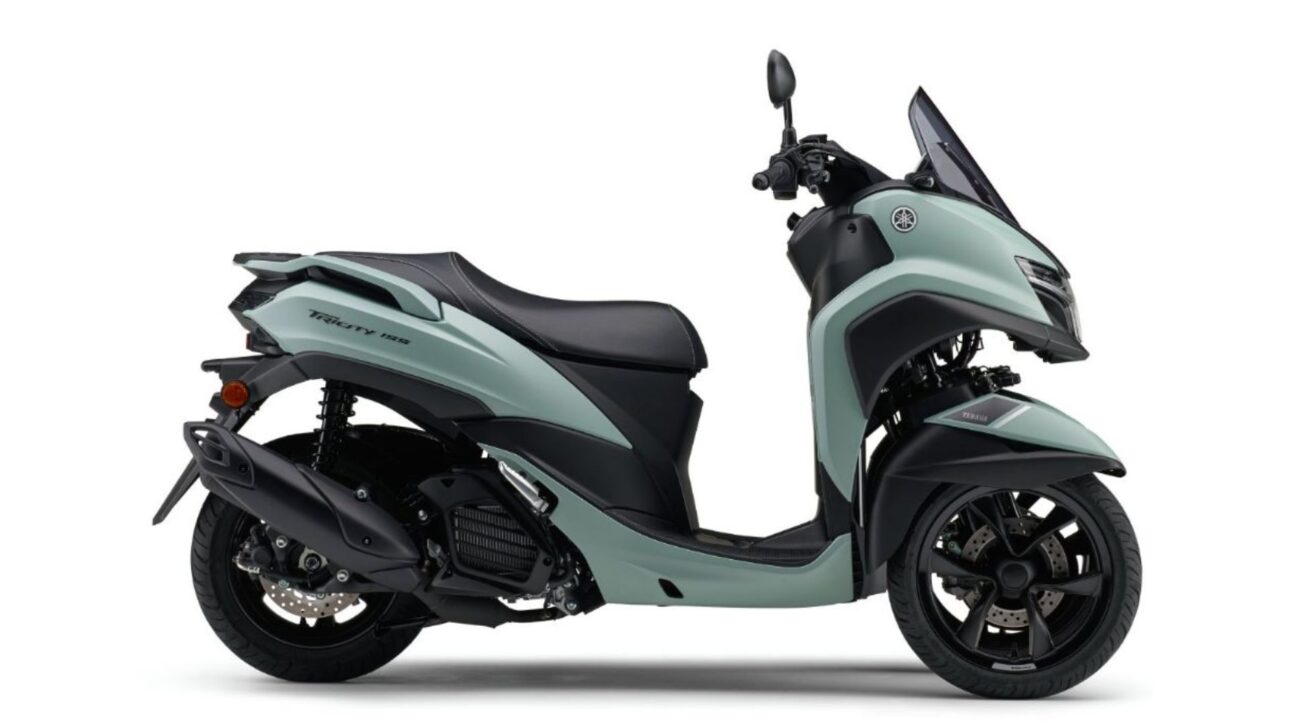
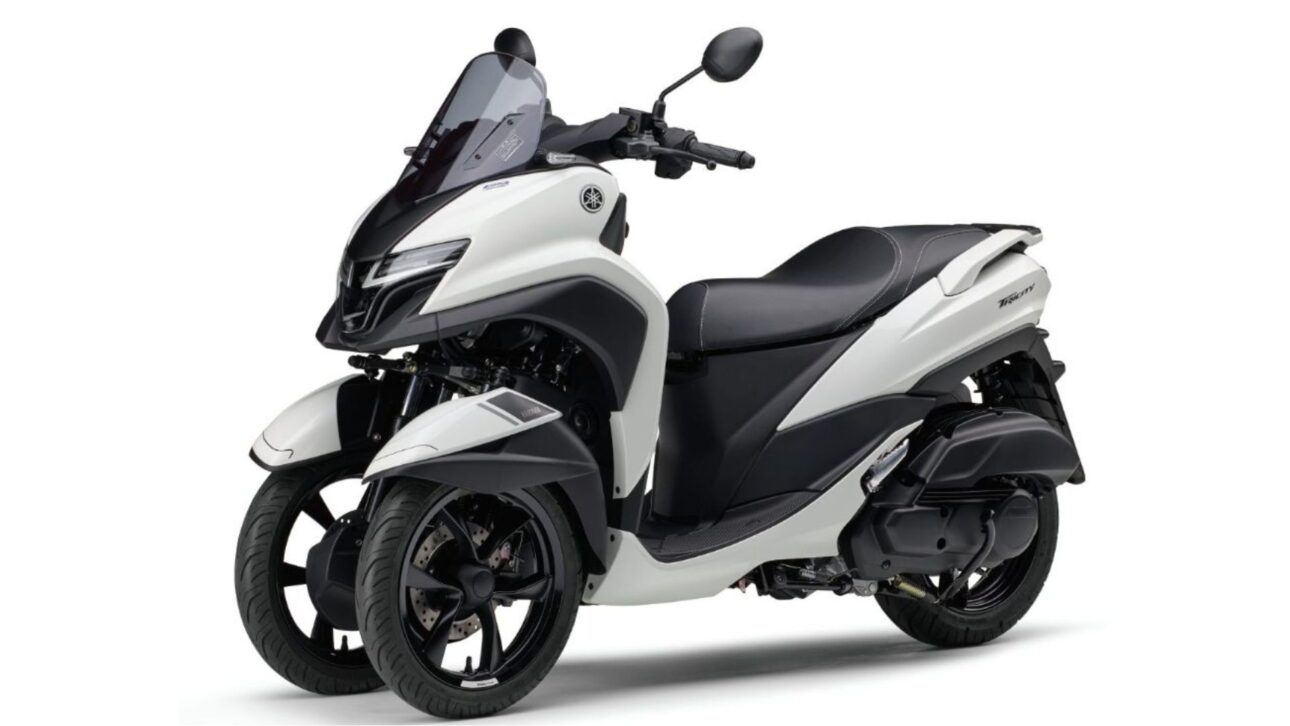
The style features sharper lines and volumes that evoke the world of SUVs, while preserving the architecture of two front wheels and one at the rear.
This arrangement, characteristic of the line, allows the front wheels to lean in conjunction with the chassis, delivering a feeling of firmness on uneven surfaces and during low-speed maneuvers.
The external remodeling reaches bodywork, lighting, and proportions, with a more compact appearance.
Smart Dashboard And Connectivity
At the command station, the dashboard has been completely overhauled.
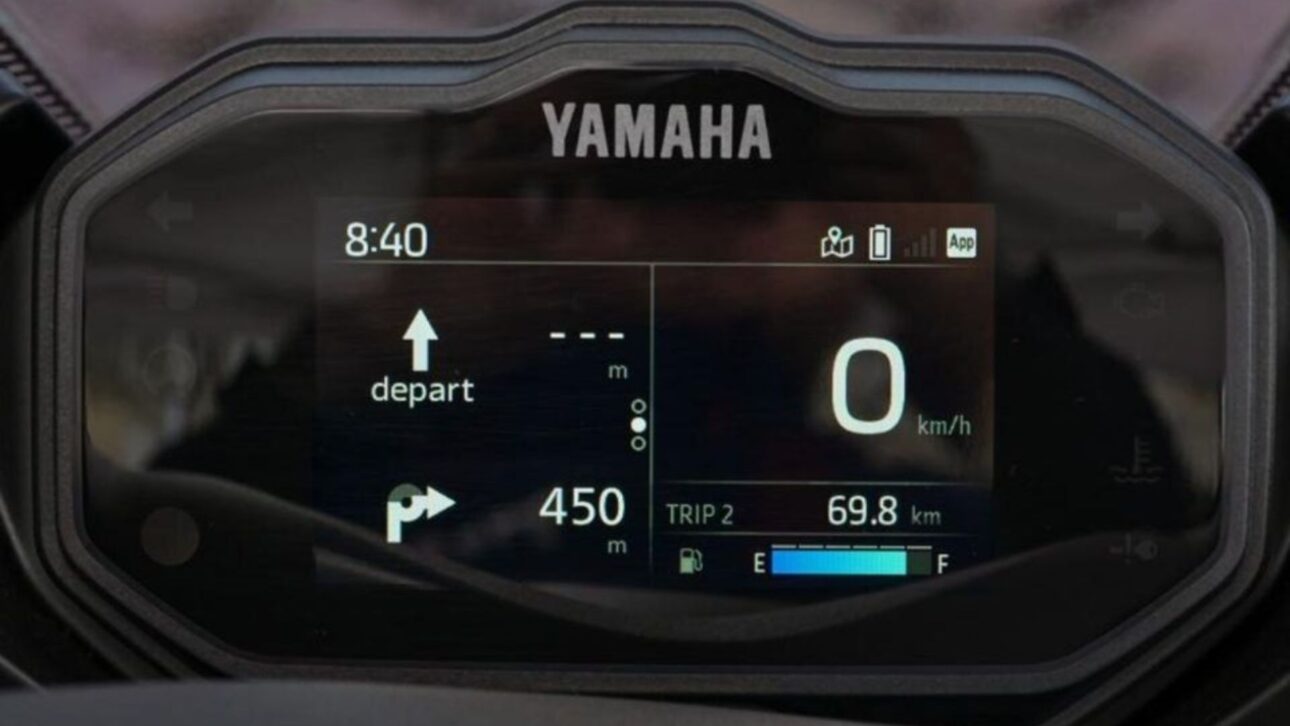
The 4.2” TFT display shows information in two modes: a functional layout, oriented for quick reading, and another “emotional” mode, with graphics that react to engine RPM.
The Bluetooth connection to Y-Connect enables turn-by-turn navigation on the display and provides integration with a smartphone for notifications, emails, and calls.
To answer calls, a compatible headset is required.
Blue Core Engine And Daily Use Efficiency
The mechanical set maintains the Blue Core engine with Smart Motor Generator, which performs almost silent starts, and the Stop & Start system, which automatically turns the engine off and back on during brief stops to reduce fuel consumption and emissions.
In the Tricity 125, the power is 12 hp, while the 155 delivers 15 hp.
The declared torque figures are 1.1 kgfm for the 125 model and 1.4 kgfm for the 155, numbers aimed at urban use with linear responses and efficiency as a priority.
Safety Features And Rider Assistance
The Yamaha equipped versions with ABS and expanded active functions.
The Emergency Brake Signal (ESS), which alerts drivers behind through rapid flashing of the lights during abrupt decelerations, is exclusive to the Tricity 155.
The Traction Control System (TCS) also appears as an exclusive feature of the 155, adding an extra layer of control on surfaces with variable grip.
In both, ergonomics prioritize comfort and ease of use in heavy traffic.
Convenience In The Day-To-Day With USB-C And Y-Connect
The models now come with a USB-C port in the dashboard for charging devices, as well as broader integration with the Y-Connect app.
With this, the rider can track usage history, basic checks, and maintenance alerts, along with data such as average consumption and estimated range.
The connected display also shows phone information in a simplified manner, prioritizing quick reading to avoid distractions.
Aesthetic Update And Visual Language
Although the structural base is familiar, the front design has been redone for a cleaner look that is closer to the visual language of the brand’s larger scooters.
The result is a set that aims to convey the typical robustness of an “urban crossover” without losing agility in tight spaces.
The rear has also been adjusted, with more fluid integration between seat, passenger grips, and optical unit.
Performance, Riding, And Urban Proposal
The proposal remains focused on safe and predictable urban commuting.
The specific geometry of the LMW increases the feeling of stability in curves and rapid direction changes, especially when the pavement is not perfect.
In parallel, the electronic support systems act discreetly to contain traction losses and improve response during stronger braking.
For those alternating routes between avenues and narrow streets, the promise is of easier riding and less fatigue.
Prices In Japan And Availability
At the Japanese launch, suggested prices were set at 590,000 yen for the Tricity 125 ABS and 640,000 yen for the Tricity 155 ABS.
Converted, they correspond to about R$ 20,600 and R$ 22,400, respectively, subject to exchange rate fluctuations.
For now, there’s no indication of sales in Brazil, and Yamaha has not detailed any timelines for other markets outside Asia and Europe.
Interface And Display Modes On The Dashboard
Another point of attention is the ability to customize the dashboard view.
The functional mode organizes data such as speed, RPM, fuel, and temperature straightforwardly.
Meanwhile, the “emotional” mode adds animations that change according to engine revs.
Switching between modes occurs at the grip itself, facilitating adaptation to the user’s preference without diverting focus from traffic.
Differentials Of The Tricity 155
The Tricity 155 concentrates the most advanced items in the package, such as the TCS and ESS, as well as the power and torque gain that increases the margin for acceleration and higher speed sections.
These elements position the 155 as an option for those facing expressways or needing reserve power to ride with a passenger and light luggage, all while maintaining the typical compact dimensions of a scooter.
Given this set of upgrades, the 2026 update reinforces the Tricity line’s role as a reference among three-wheeled scooters for urban use.
With the expanded electronic package, the connected dashboard, and the aesthetic review, Yamaha aims at those seeking stability, practicality, and a touch of technology in their daily commutes.
In your opinion, does the “SUV design” concept fit the daily life of Brazilian cities?





Moto horrível já vi cada moto linda mais essa aí com duas rodas na frente é bizarra se fosse no fundo seria bem melhor Cruzes! A principal que é a MT-15 eles não trazem! Deveriam trazer é a MT-15!
Na Europa já faz um tempo que tem este modelo de motor. O Brasil como sempre bem atrasado nas coisas.
Por que esse modelo não é vendido no Brasil, já que está em produção há 11 anos, será que não teria mercado aqui ou o preço seria o impeditivo?