Portuguese
  Spanish


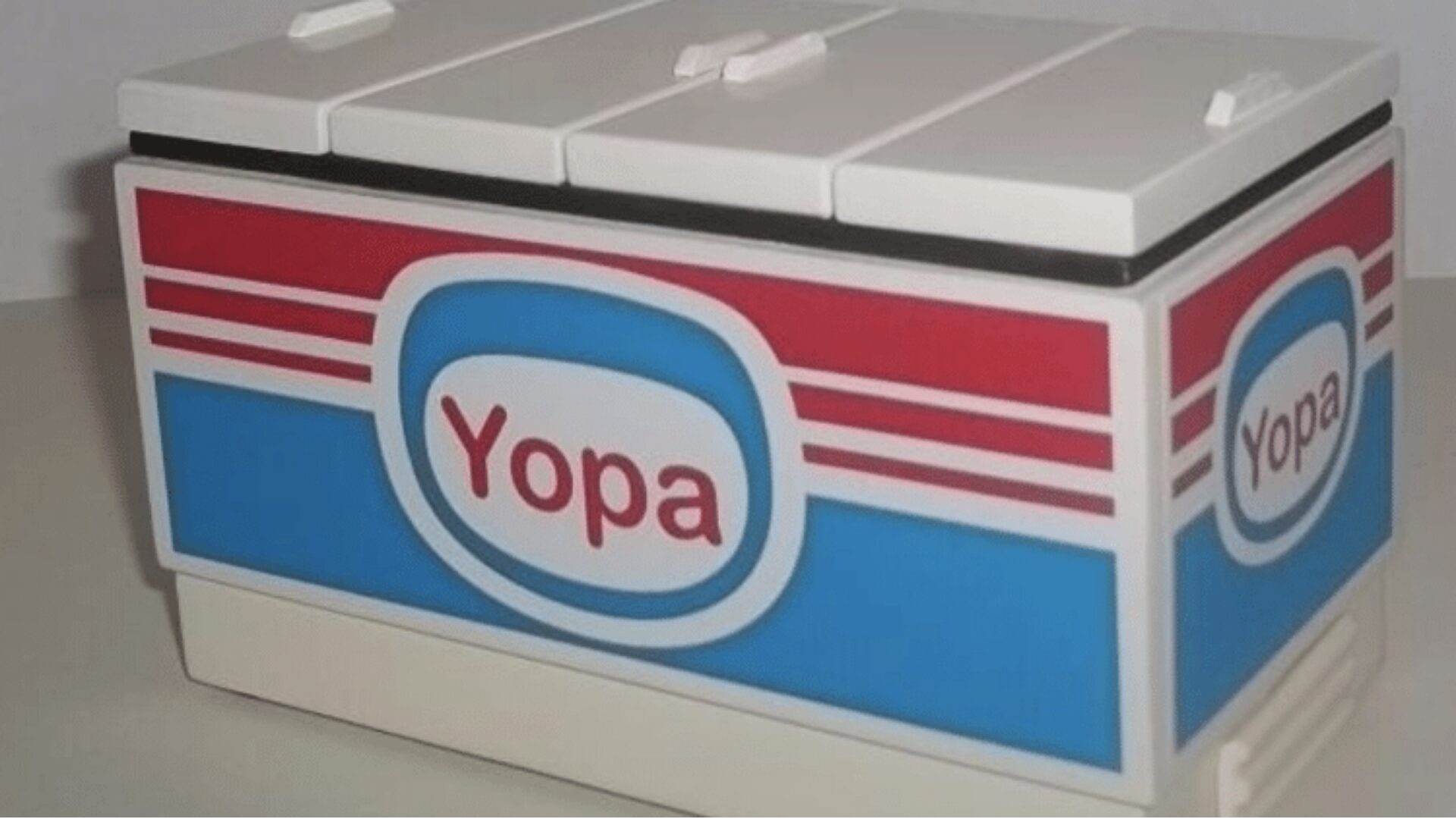

Discover How the Brand Became a Symbol of Childhood and the Factors That Led to Its Replacement by Nestlé
Going to the beach and stopping at a Yopa ice cream cart is a nostalgic memory for many children from the 1990s. The ice cream company gained popularity in Brazil, especially for its fun and innovative products, such as the Comics popsicle and the Sem Parar ice cream, which featured well-known characters from Disney, such as Mickey Mouse.
However, despite its success, Yopa lost market share with the turn of the century and was gradually replaced by the Nestlé brand.
The Origin of Yopa Ice Cream
The history of Yopa dates back to 1933, in Germany, when German Josef Pankofer created the Jopa ice cream, one of the first frozen products manufactured industrially.
-
Facing Labor Shortage, Japan Plans to Invest $34 Million to Attract Foreign Workers in Construction, Healthcare, Industry, and Commerce

-
21-Year-Old Brazilian Student Turns Homemade Popsicle Hobby into $100,000-a-Month Business

-
Australia Dumps Hundreds of Thousands of Tons of Gravel into Rivers to Restore Natural Barriers and Reverse 150 Years of Erosion

-
Bird-Inspired Robot Glides on Air Currents up to 10 m/s, Balances Itself, and Aims to Save Energy in Industrial Inspections and Meteorological Balloons




In 1969, Nestlé acquired the company, expanding its reach into new markets such as Spain, France, Switzerland, Chile, and Mexico.
The brand arrived in Brazil in 1972, and to maintain the original pronunciation, the name was adapted from Jopa to Yopa.
The Early Years of Yopa in Brazil
In its early years of operation in Brazil, Nestlé focused on adapting chocolate brands for ice cream production, which quickly gained popularity.
Products such as Galak, Prestígio, Chokito, Lollo, Leite Moça, and Brigadeiro were introduced to Yopa‘s portfolio.

Production and distribution were initially concentrated in the Central-South region of the country, where the brand began to gain traction.
Starting in 1982, Yopa directed its operations toward the Southeast region, with a special focus on Rio de Janeiro and São Paulo.
By 1990, the brand held around 12% of the ice cream market in Brazil, positioning itself behind competitors like Gelato, from Gessy Lever (now Unilever), and Kibon, which dominated the sector with approximately 60% of the market.
The Popularization of Yopa in the 1990s
The turn of the decade brought new opportunities for Yopa. In 1990, Nestlé formed a partnership with Gessy Lever, resulting in a joint venture that combined the operations of the Yopa and Gelato brands in Brazil.
This negotiation, which lasted about eight months, led to the creation of the new company called Insol, with shared control between both companies.
During this period, Yopa launched iconic popsicles such as Comics, which featured the image of Mickey, and the famous Sem Parar ice cream.
The joint venture, which lasted until 1993, was crucial for boosting the brand, allowing the launch of products in innovative formats, such as rocket-shaped popsicles and cones, which became popular among children at the time.
The Cultural Impact of Yopa
In addition to innovative products, Yopa stood out for its advertising campaigns, which often included Disney characters and promoted a sense of fun and joy.
The commercials aimed to connect emotionally with the audience, using catchy slogans and vibrant images that attracted children’s attention.
This strategy helped create a strong identity for the brand, making it synonymous with fun and refreshment.
The ice cream carts of Yopa were frequently seen on beaches and in parks, and children associated consuming their products with moments of leisure and happiness.
This emotional connection helped solidify the brand in the collective memory of Brazilians, making it an integral part of summer experiences and outdoor fun.
The End of the Yopa Brand
In 1997, Unilever acquired Kibon, further strengthening its leadership in the ice cream market in Brazil.
The acquisition forced Nestlé to reassess its strategy regarding Yopa.
With increasing competition and a growing preference among consumers for Nestlé‘s own products, the company began gradually replacing the Yopa brand with its corporate identity.
This transition was undertaken strategically, and many of Yopa‘s products were gradually renamed and reimagined under the Nestlé brand.
Although Yopa was a beloved brand, its replacement reflected changes in consumer preferences and the competitive dynamics of the ice cream market.
The Nostalgia Surrounding Yopa
Despite the brand’s disappearance, Yopa still lives on in the emotional memories of many Brazilians.
The nostalgia surrounding Yopa‘s products is evident on social media and in forums, where consumers fondly recall their childhood experiences.
The brand has become a symbol of fun and happiness, associated with moments of leisure and camaraderie.
Today, the story of Yopa serves as a reminder of how brands can impact our lives and how market evolution can lead to the disappearance of icons.
The passion for ice creams and popsicles lives on, and many consumers still wish to relive those magical moments from childhood.
Although Yopa products are no longer available on store shelves, their legacy and the joy they brought still resonate among those who grew up in the 90s.
The Influence of Yopa on the Ice Cream Industry
The trajectory of Yopa also illustrates how innovation and creativity are crucial in the ice cream industry.
The introduction of unique formats and partnerships with well-known brands, such as Disney, helped make a difference in the market.
These strategies not only won over the child audience but also influenced how other companies developed their products.
After the disappearance of Yopa, other brands sought to capture the same essence of fun and innovation that the company had established.
The nostalgia surrounding the brand still influences current ice cream advertising campaigns, which aim to create similar emotional connections with consumers.
Ultimately, the story of Yopa is a testament to how a product can become a cultural icon and how market changes can lead to the disappearance of brands that were once loved by millions.
The legacy of Yopa remains alive in the memory of many, and its contribution to the ice cream industry in Brazil is undeniable.
SOURCE: EXAME