






 Portuguese
  Spanish
  6 min of reading
  5 comments


The Future Of The First Brazilian Hybrid Car Is At Stake! Produced In China, The Hybrid SUV Lecar Promises To Challenge The National Market, But The Choice To Manufacture Abroad May Impact Its Identity.
The Brazilian automotive market is undergoing a revolution. A brand that promises to make history in the sector, Lecar, is set to begin production of its hybrid SUV model 459, but with a detail that many did not expect: production will be in China, not in Brazil.
As a company that aims to be a pioneer in hybrid car manufacturing in Brazil, this choice raises many questions about the future of the national industry and the impact of this flex hybrid model on the automotive market.
The Surprising Decision Of Lecar To Produce In China
In an exclusive interview with G1, Flávio Figueiredo Assis, founder of Lecar, revealed that despite the strong desire to be the first manufacturer of 100% Brazilian flex hybrid cars, the company had to start its production outside of Brazil.
-
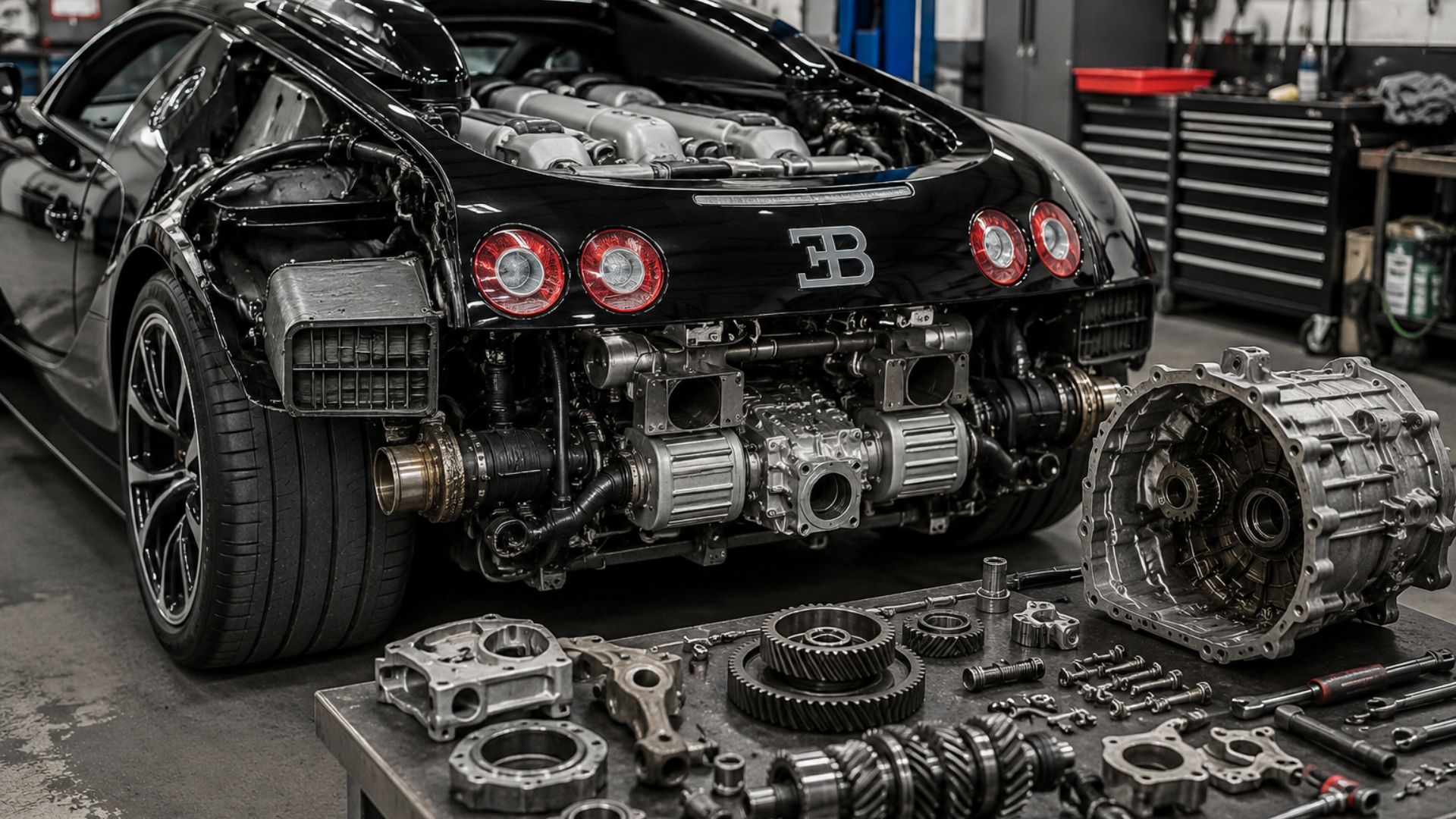
The YouTuber Mark McCann bought a Bugatti Veyron for almost $1.2 million, but discovered that the supercar’s gearbox is so damaged that even Bugatti itself won’t accept to repair it, and the repair could cost a fortune.

-
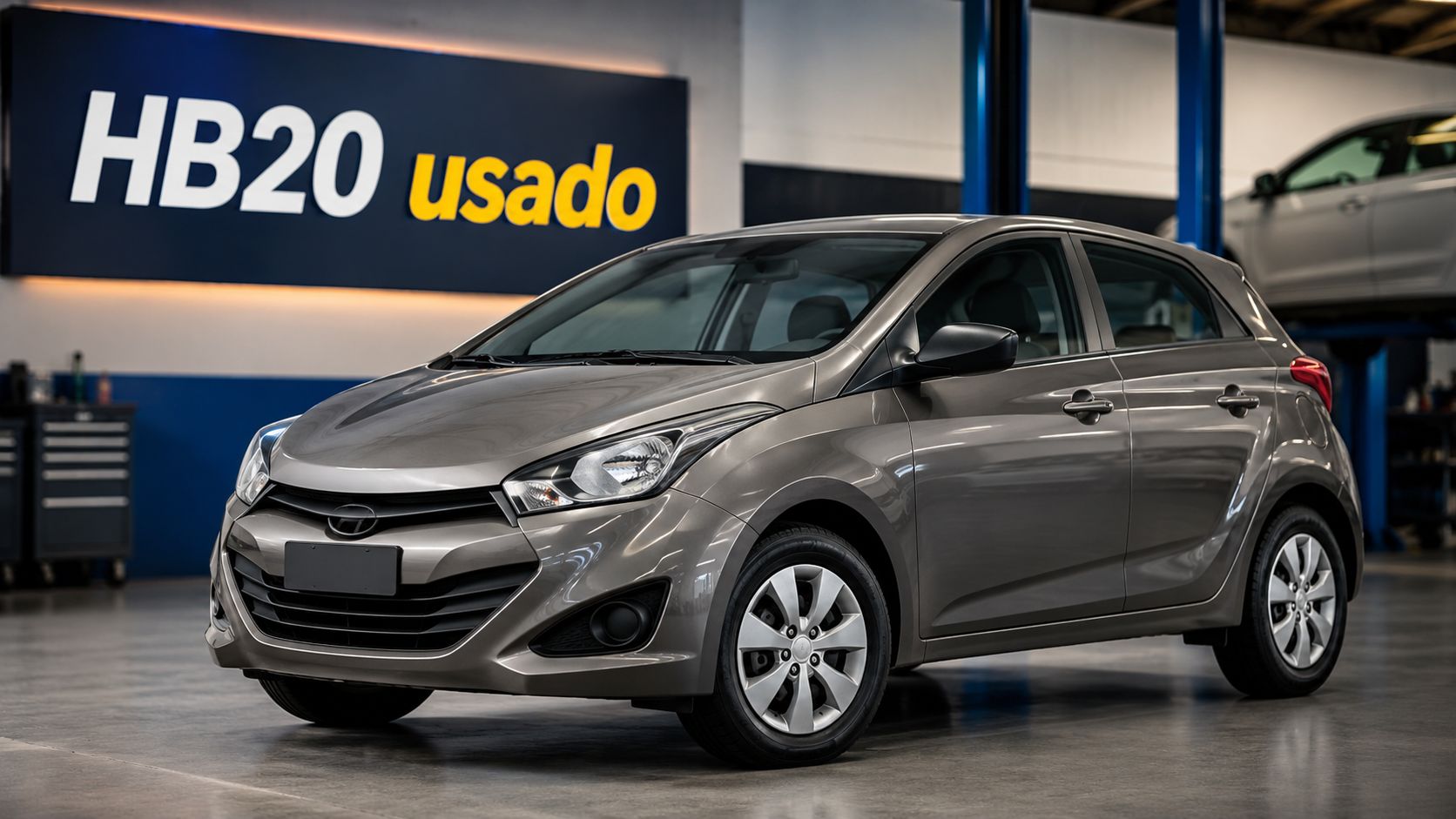
Thinking about buying a used HB20? See why the 2015 model is still a crowd favorite, with cheap parts, easy-to-fix mechanics, a strong engine, and quick sales.

-
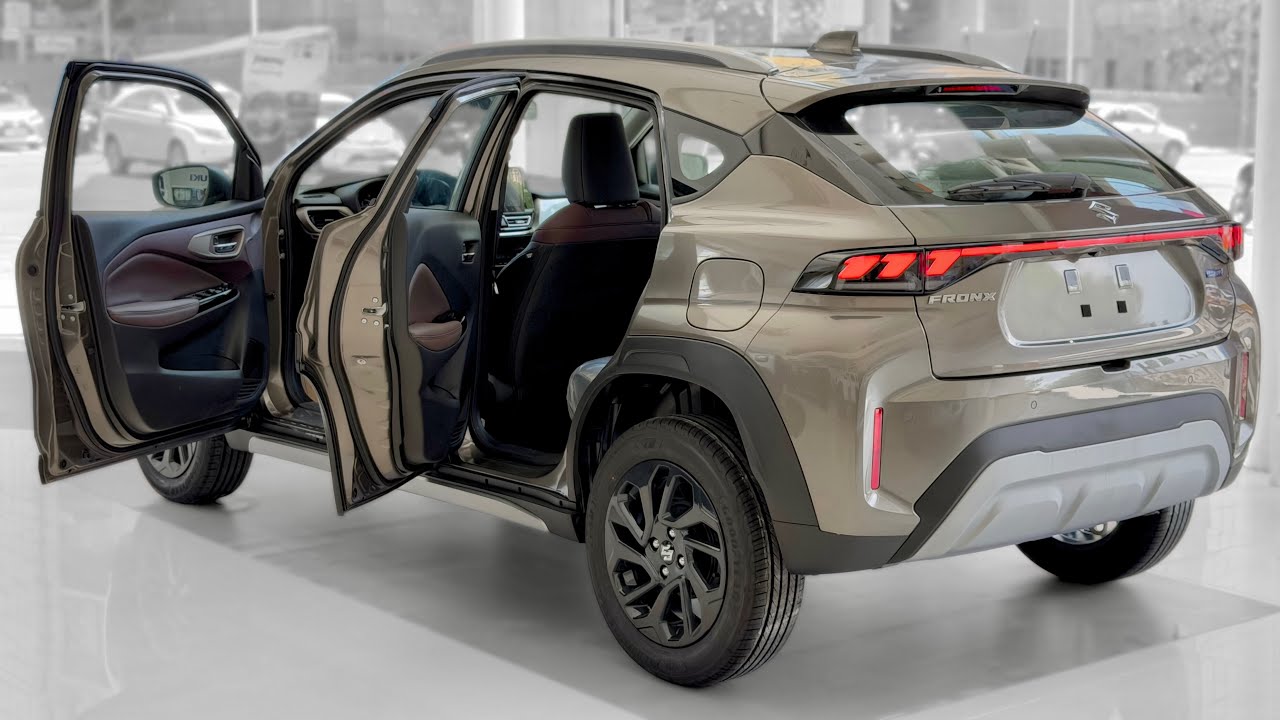
Suzuki Fronx emerges as the “compact coupe SUV” that Brazil doesn’t have: priced around R$ 37,000 in a tax-free conversion, the model has a hybrid version, 1.0 turbo engine, bold design, and the price of a popular car in India.

-
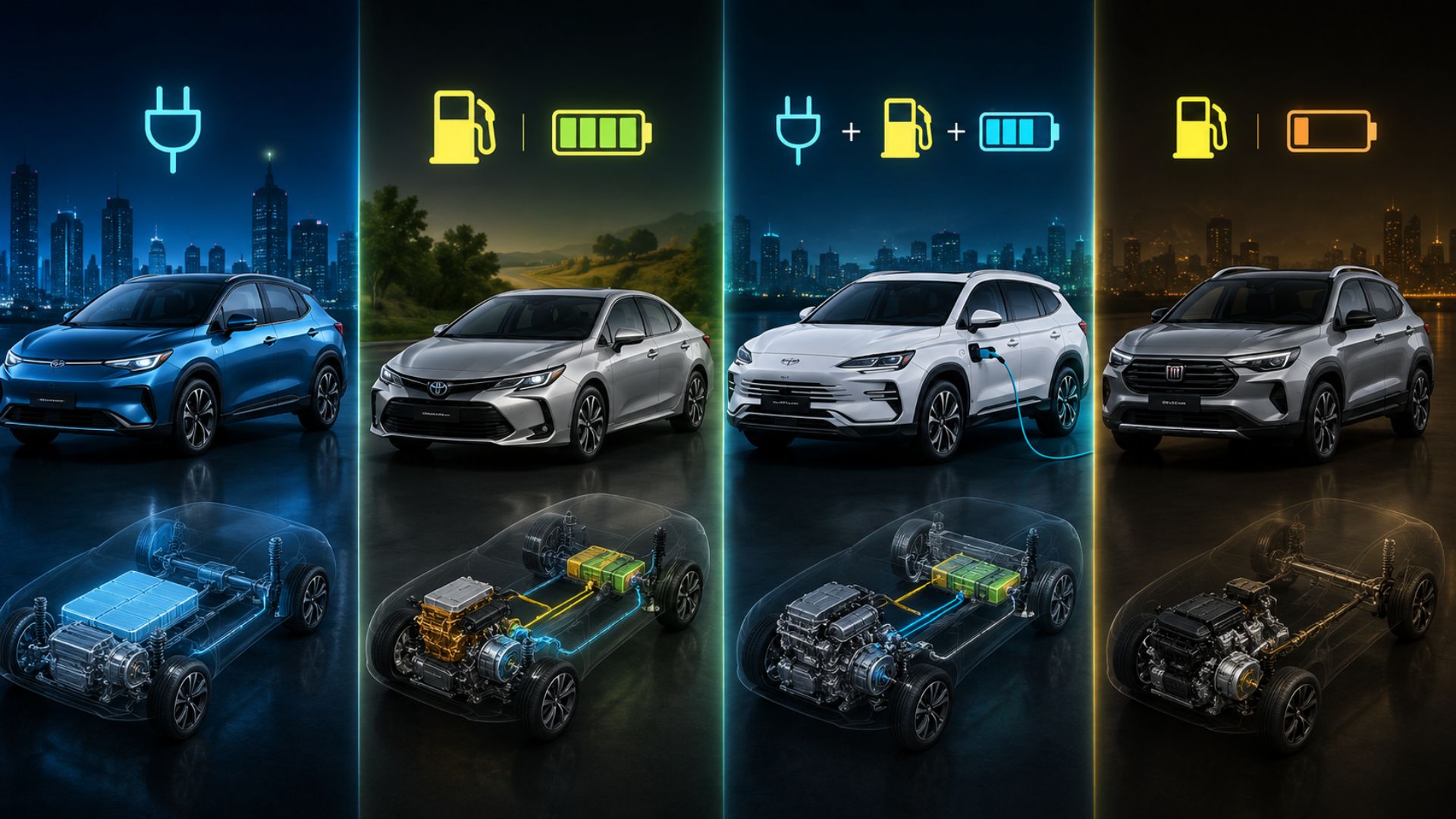
Not every car with a battery is truly electric; some hybrids never run solely on electric power, and since 2025, ABVE stopped counting mild hybrids as electrified, and these differences change everything when buying.
The Lecar factory in Sooretama, Espírito Santo, will only be ready in 2026. With a thousand orders already placed and the promise to deliver the hybrid SUV model 459 by then, the brand decided to begin production in China.
However, according to Assis, this does not mean that the model will lose its title of “first national flex hybrid,” since it will, in fact, be developed and manufactured with Brazilian technology, although initially on Chinese soil.
Can this decision be seen as a strategic move or a lost opportunity for Brazil?
The choice to start manufacturing outside the country may be a delicate issue for a brand that prides itself on being Brazilian and has great ambitions to grow in the national hybrid car market.
The lingering question is: how will Lecar handle the production of high-tech vehicles in another country, while maintaining the promise of being a symbol of Brazilian potential in the automotive sector?
Lecar’s Production Strategy And The Challenges Ahead
Despite its decision to produce the model abroad, Assis assures that in the future, the production of the hybrid SUV 459 will be 100% national.
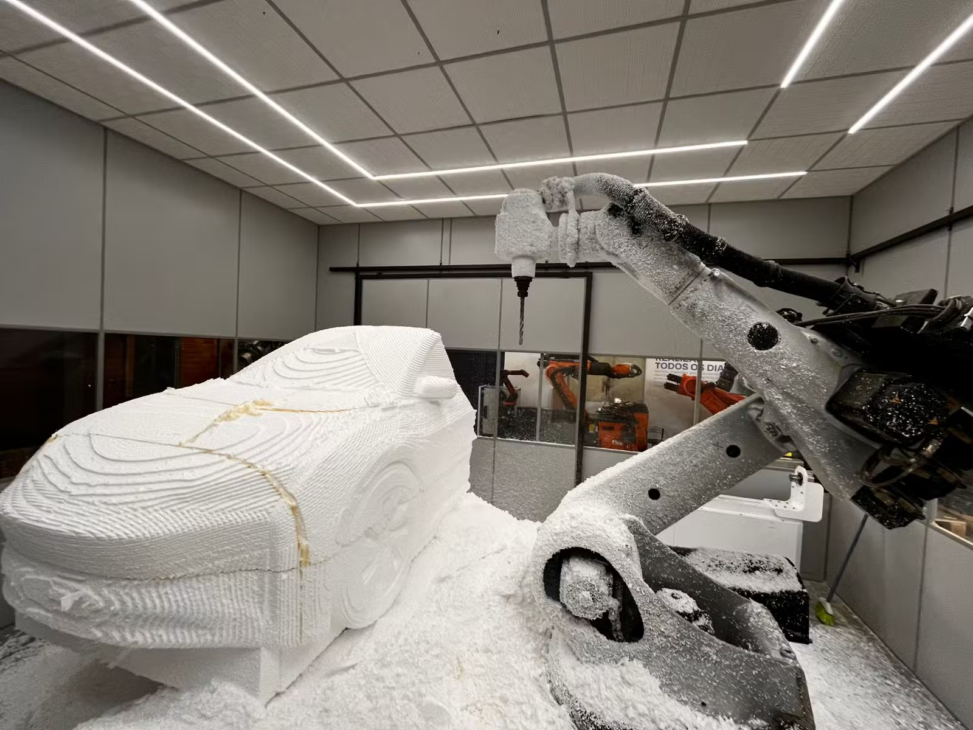
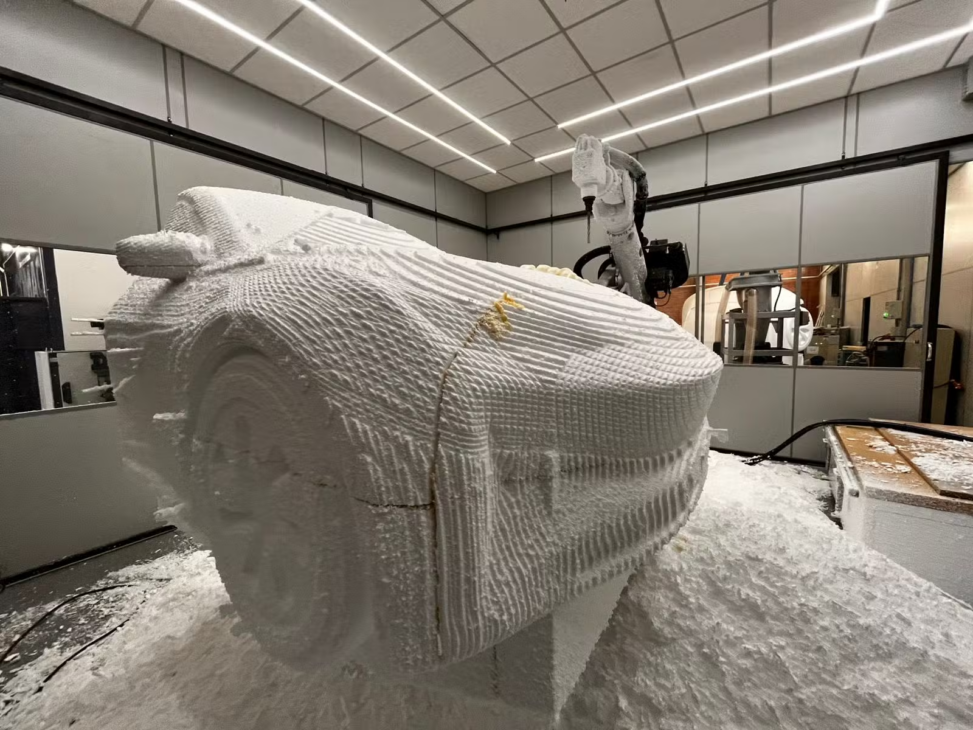
According to him, the company is advancing in the development of the vehicle and is currently in the stage of machining in styrofoam, one of the initial steps in car production, when adjustments and modifications are made to achieve the desired precision.
After machining, Lecar’s engineers will need to develop the panels, finishes, fittings, and fastenings, which require high-precision adjustments to ensure the quality of the final product.
The production of the mock-up, a prototype with the same dimensions as the model to be manufactured, is also planned.
The clinic with future customers and the homologation of the model are also part of the next steps.
Lecar’s entry into the Brazilian automotive market has generated great expectations, but also questions.
Will production in China affect consumer perception about the true national character of the car? And how will this impact the local industry, which is still recovering from the pressure of foreign automakers?


The Impact Of Producing In China: Challenges And Opportunities
Producing cars in China has been common practice for many global brands, given the low manufacturing costs and vast experience in mass production.
But the choice of a company that aims to be Brazilian generates extra tension, especially when it comes to cars that seek to utilize national technology and promote sustainability in Brazil.
Production in China can be seen as a pragmatic decision, as the infrastructure needed to produce a state-of-the-art hybrid car in Brazil is still not fully developed.
With a factory under construction and the need to deliver models to consumers quickly, China offers the ideal solution to meet immediate demand.
Chinese production can also mean easier access to high-quality parts and components suppliers, as well as allowing Lecar to reduce costs and, thus, offer a competitive price.
However, there is a hidden cost. Dependency on Chinese factories can lead to a lack of control over the production process and result in delays or unexpected issues.
The lack of visibility over the process can create uncertainties and affect consumer trust, especially among those who prioritize national production as an important factor in choosing a vehicle.

The Turnaround Of Lecar: From 100% Electric To Flex Hybrid
In its initial plans, Lecar was focused exclusively on manufacturing 100% electric cars.
However, the shift to a flex hybrid model was motivated by a key element: Brazil’s vocation for hybrid technology.
Flávio Figueiredo Assis, responsible for the company, stated that although 100% electric technology is promising, the flex hybrid is the best solution for the Brazilian market, which faces a still precarious electric charging infrastructure in many regions.
The decision to opt for a flex hybrid model also comes in response to the perceived failures in electric technology in Brazil.
Assis believes that, with the flexibility offered by the hybrid engine, the model 459 can be a viable solution to the challenges of the Brazilian automotive market, such as the scarcity of charging points and the need for greater range in journeys.
The flex hybrid model 459 will be equipped with a 1.0 turbo engine, offering a combined power of 163 horsepower and 26 kgfm of torque, a robust configuration for an SUV.
The vehicle’s range is one of its main attractions: with just one tank of fuel, the vehicle can travel up to 1,000 km.
Furthermore, the model will not require charging through power outlets, making it even more practical for Brazilian consumers.
Comparing With Models Already Available In The Brazilian Market
In Brazil, the hybrid car market is still recent but growing rapidly.
Models like the Toyota Corolla Cross Hybrid and the Honda HR-V Hybrid have already captured a significant share of consumers looking for an alternative to 100% combustion engines.
The hybrid SUV 459 from Lecar stands out for its modern design, inspired by the Tesla Model Y, and for its flex technology that adapts to the national context.
Compared to the Corolla Cross, the Lecar model offers a more competitive price, with the 459 costing R$ 147,900, while the Corolla Cross Hybrid starts at R$ 189,990.
With a similar proposition but more accessible, Lecar has the opportunity to attract consumers who want to adopt a more sustainable technology but with a lower initial cost.
Sustainability And The Future Of Hybrid Cars In Brazil
Sustainability is one of the great promises of hybrid and electric cars, but Brazil still has a long way to go when it comes to efficient charging infrastructure and an economy geared towards clean energy.
The flex hybrid model, which can be fueled with ethanol or gasoline, seems to be a balanced solution for a market that is still not ready for a full transition to 100% electric cars.
With the popularization of flex hybrid vehicles, Lecar can play a fundamental role in transforming the automotive sector in Brazil by offering more ecological and accessible alternatives.
Brazil, with its vocation for ethanol, has fertile ground for the growth of flex hybrids.
The future of this technology can be promising, especially if Lecar continues to innovate and expand its production in Brazil.
An Important Step Or A Detour?
The future of the hybrid SUV 459 from Lecar is closely linked to this production and development strategy.
Will the choice to start production in China affect the perception of authenticity and patriotism of the brand? Or, on the contrary, will the strategic decision propel Lecar to become a successful player in the national and international market? Only time will tell.
And you, do you believe that producing a national hybrid car in China can be seen as an opportunity or a loss of identity? Share your opinion in the comments!







Vejo com tranquilidade a produção inicial do 459 no sistema CBU ou seja o carro chega pronto do exterior. A fase seguinte seria CKD ou seja, componentes importados e montado aqui no Brasil. A próxima etapa seria a fabricação made in Brasil. Vale lembrar que no mundo todo a fabricação de automóveis depende de **** integrada de produção de componentes em vários outros países
a china tbm absorveu coisas de fora e o brasil não pode ser diferente
certo