






 Portuguese
  Spanish
  3 min of reading
  0 comments


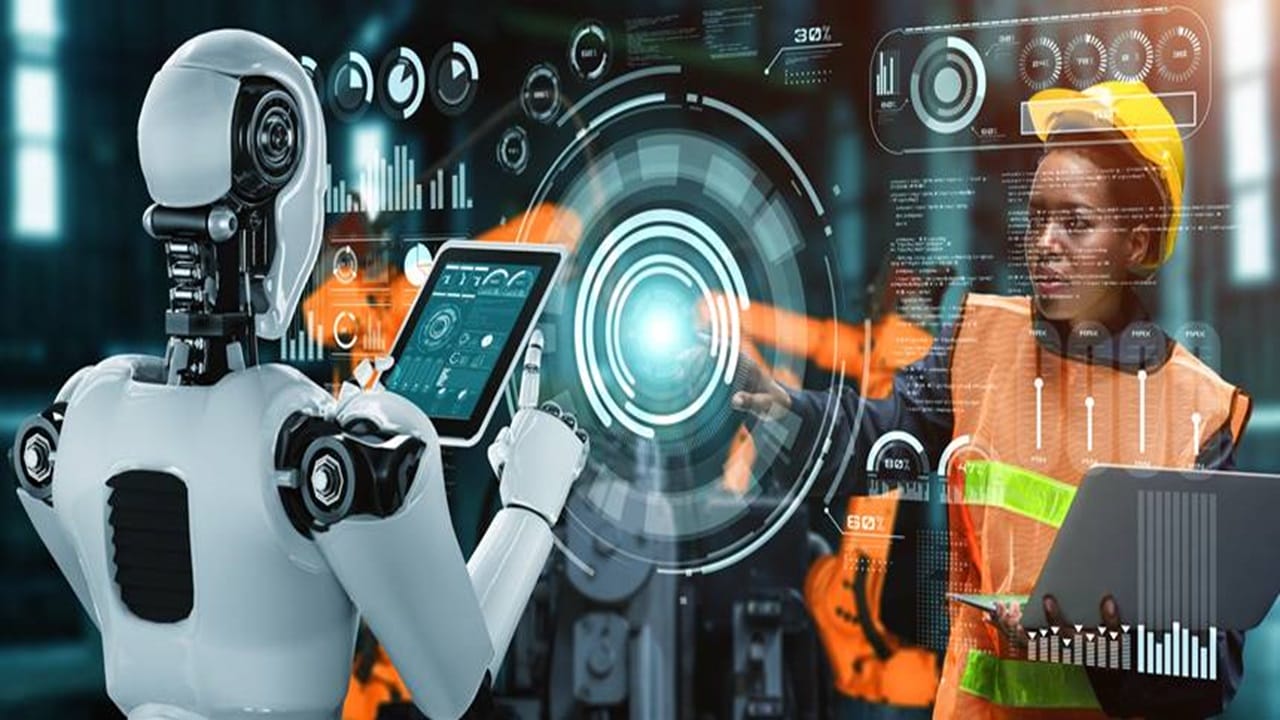
Human Strategies in the Era of Automation: Careers and Professions That Require Strategic and Creative Thinking
According to the site Meu Valor Digital, the advancement of automation and artificial intelligence has raised concerns about the future of careers. However, some professions resist this wave of changes brought about by artificial intelligence. Discover here careers where human complexity surpasses automation.
Creativity and Sensitivity: Professions That Challenge Automation
Not all art can be reproduced by algorithms. Discover artistic professions, such as music composers, animators, and choreographers, whose work goes beyond algorithms, providing a genuine and unique experience that cannot be replaced by artificial intelligence.
The Human Brain in Action: Professions That Automation Cannot Replace
1. Data Scientist/Data Analyst:
-
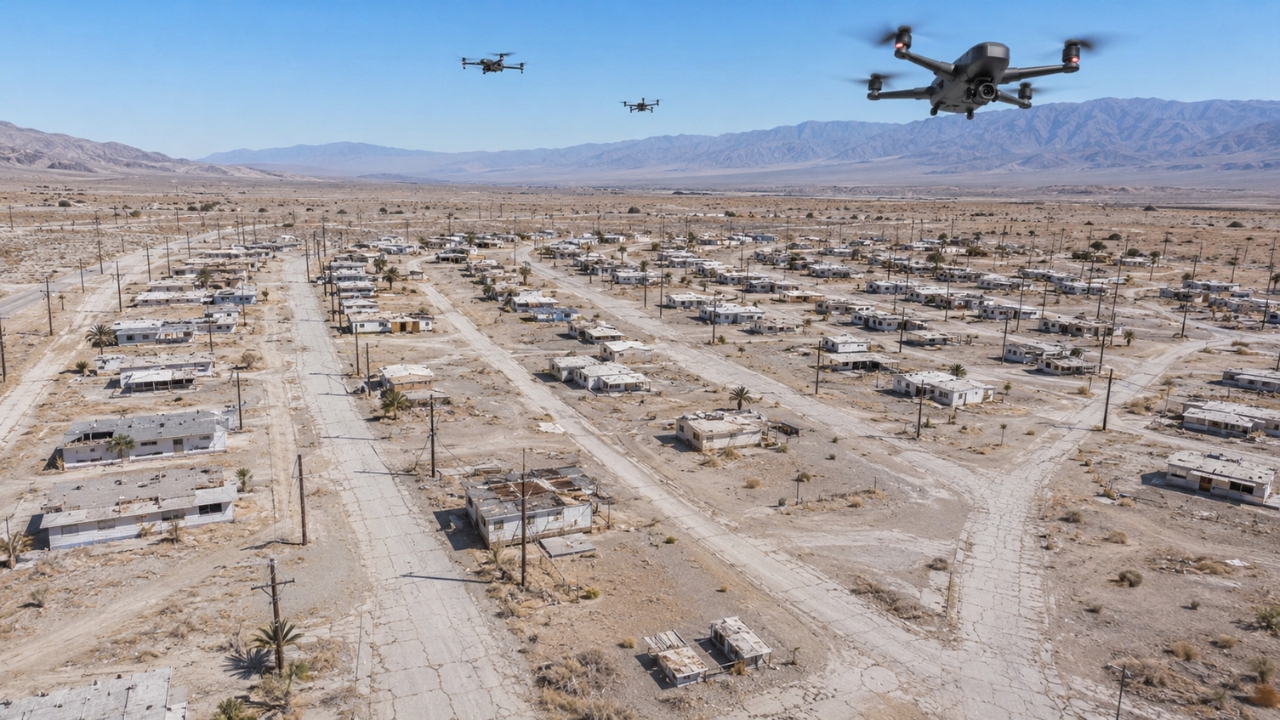
Ghost town of 4,000 residents, abandoned after the collapse of an iron mine, now becomes a drone training field for police, rescue, and emergency teams.

-
Colorectal cancer advances worldwide, but most cases can be prevented.

-
Anvisa blocks batch of antibiotic after unexpected discovery in sealed vial and also suspends clindamycin with impurities and saline solution used in intravenous application

-
NASA takes another look at the M87* black hole and finds details in the cosmic jet in X-rays that seem to reveal a much more unsettling universe than previously imagined.



While machines process data, meaningful interpretation is a human skill. Data scientists and analysts are crucial for extracting valuable insights, making their careers immune to replacement by machines.
2. Psychologist:
Human interaction is irreplaceable, making psychologists essential in understanding and aiding mental challenges. Artificial intelligence still cannot provide the emotional support and personalized diagnosis offered by psychology professionals.
3. Cybersecurity Specialist:
In the digital world, complete autonomy in cybersecurity is unthinkable. Professions such as cybersecurity specialists continue to be the first line of defense against virtual threats, with growing demand.
The Human Touch in the Digital Age: Professions That Require Empathy and Personal Interaction
While machines accumulate data, there are professions that depend on the human touch. Psychologists, coaches, social workers, and mental health professionals have irreplaceable careers due to their unique ability to interact and understand human nuances.
4. Coaches:
While artificial intelligence offers self-help, the role of a human coach is indispensable. Guidance and motivation provided by coaches resist automation, resulting in projected growth in athletic jobs.
5. Chef/Head Cook:
Culinary art remains immune to artificial intelligence. Chefs and cooks, with their unique understanding of flavors, aromas, and techniques, are in high demand, with projected growth in this career over the next decade.
6. Mechanical Engineers:
Human skill is essential to design, innovate, and improve machines. The career of mechanical engineers is indispensable in critical sectors, despite advancements in automation.
Creativity and Sensitivity: Professions That Challenge Automation
7. Music Composers:
Music goes beyond notes and chords, involving emotion and narrative. Music composers offer authenticity that artificial intelligence still cannot replicate, especially in live performances.
8. Animators:
Despite technology in animation, skilled animators are valued for their creativity. Artificial intelligence still cannot create animations autonomously, keeping this career field challenging and rewarding.
9. Choreographers:
In dance, personal learning and unique interpretation are essential. Choreographers continue to be sought after, as dance goes beyond mechanical movements.
In a world where automation is becoming increasingly prevalent, these professions stand out as immune to replacement by machines, emphasizing the importance of human complexity in various areas of expertise.



Be the first to react!