






 Portuguese
  Spanish


Colorectal cancer, which affects the colon and rectum, has become one of the major global public health concerns. Currently, the disease ranks third among the most common types of cancer worldwide and already represents the second leading cause of cancer-related deaths. Furthermore, recent research shows that its incidence continues to grow, especially among younger adults.
The alert gained strength after analyses released by the World Health Organization (WHO) and the International Agency for Research on Cancer (IARC), a UN-affiliated body. The data indicate that a significant portion of cases could be avoided through lifestyle changes, vaccination against cancer-associated infections, and public prevention policies.
Preventable cases represent millions of diagnoses
A global study published in February 2026 in the journal Nature Medicine analyzed 36 types of cancer in 185 countries. The research concluded that approximately 37.8% of new cases recorded in 2022 were linked to modifiable risk factors, that is, causes that could be reduced or eliminated. This corresponds to about 7.1 million potentially preventable diagnoses.
The investigation was conducted by researchers from the IARC and WHO, including Dr. André Ilbawi, leader of the Cancer Control area of the organization, and Isabelle Soerjomataram, deputy head of the Cancer Surveillance Unit at IARC. The work incorporated infectious factors into the global calculation of preventable risks for the first time.
-
She spent 73 years breathing inside an iron lung, survived the aftereffects of polio, and became the last woman in the United States dependent on the equipment before dying at 78 years old.

-
Brazilian students created a $1 filter using pine bark, cotton, and 3D-printed parts to clean cassava wastewater, reduce the toxicity of a hazardous waste, and transform contaminated water into biofertilizer.

-
Astronaut from Artemis II steps down after mission to the Moon and decision surprises after a record of 406,771 km, a historic 10-day journey, and an unprecedented achievement for Canada.

-
A fossil kept for years in a small museum in Montreal concealed 450-million-year-old soft tissue, a discovery that has only happened once before in history.


Smoking remains the largest risk factor
Researchers identified smoking as the main preventable cause associated with cancer worldwide. Alone, tobacco consumption was related to about 15% of all new cases recorded in 2022. In men, this percentage reached approximately 23%.
Infections ranked second among preventable factors, accounting for about 10% of global cases. Alcohol consumption followed, associated with approximately 3% of diagnoses.
Additionally, obesity, sedentary lifestyle, air pollution, excessive exposure to ultraviolet radiation, and certain occupational risks have also contributed to millions of cases worldwide.
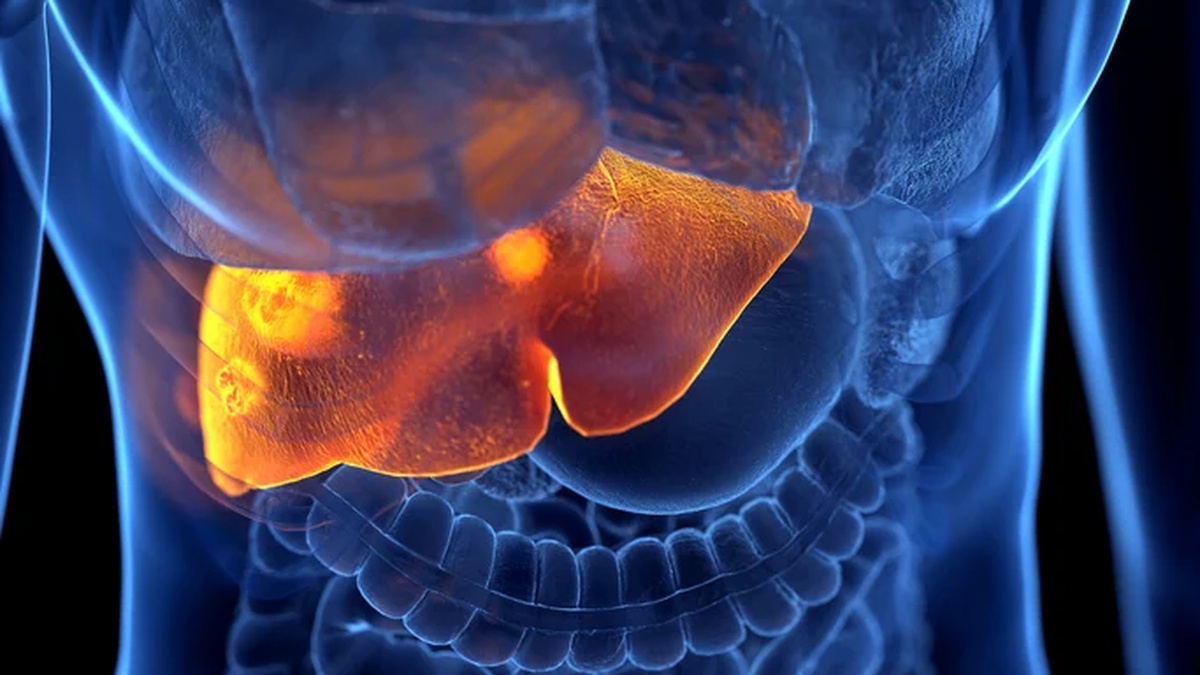
Colorectal cancer is concerning due to its growth among young people
Although the global study identified lung cancer, stomach cancer, and cervical cancer as the most associated with preventable factors, colorectal cancer draws attention for another reason: its increase among people under 50.
Data gathered by researchers and international medical entities show that cases in young adults have been increasing in several countries since the past decade. The trend is concerning because many patients do not belong to the groups traditionally considered at risk.
Doctors emphasize that early diagnosis remains one of the most important factors for increasing the chances of cure. In early stages, survival rates can exceed 90%, while advanced cases present more complex prognoses.
Habit changes can reduce the risk
Scientific evidence indicates that a significant portion of cases can be prevented through healthy habits.
Among the main measures recommended by international organizations are:
- Do not smoke;
- Reduce or avoid alcohol consumption;
- Maintain a healthy weight;
- Engage in regular physical activity;
- Prioritize a diet rich in fruits, vegetables, and fibers;
- Reduce the consumption of processed meats;
- Undergo preventive exams as per medical advice;
- Keep HPV and hepatitis B vaccinations up to date.
According to the WHO, these actions represent one of the most effective strategies to reduce the global cancer burden in the coming decades.


Number of cases is expected to continue growing
Even with advances in diagnosis and treatment, international projections indicate that the total number of cancer cases will continue to increase.
Estimates from the Global Burden of Disease study suggest that the world recorded about 18.5 million new cancer cases and 10.4 million deaths in 2023. If current trends persist, annual diagnoses could reach approximately 30.5 million by 2050.
For researchers from the University of Washington involved in the survey, population aging and continuous exposure to preventable risk factors explain much of this projected growth.
Prevention remains the main tool
The results reinforce a conclusion shared by international health organizations: prevention remains more efficient than treatment.
The analysis led by WHO and IARC shows that millions of cases could be prevented with measures already known to science. Therefore, anti-smoking campaigns, vaccination, healthy eating, physical activity, and access to preventive screenings remain among the main strategies to reduce the impact of cancer worldwide in the coming decades.
Source: ScienceAlert, World Health Organization (WHO), International Agency for Research on Cancer (IARC), and study published in the journal Nature Medicine in February 2026.








Hello everyone, I contracted Herpes’ i was told there is no Herpes cure except treatment to control it. I totally lost hope all i could think was losing my life because it was so embarrassing to have this virus. A few weeks ago I read about a possible natural cure which was guaranteed. And I ordered the treatment. After some weeks I got 100% cured. Now I’m so excited to share this testimony to every article for others living with herpes and other illnesses . There is a possible natural treatment to eliminate this virus, Dr Ogedegbe has the cure for all treatments visit his clinic email dr.ogedegbe6@gmail.com or reach him on whatsapp +2349121737553 He also has the following treatment for, HPV, ALS, CANCER, GONORRHEA, SYPPHILIS, CHLAMYDIA, HIV/AIDS, PSORIASIS