Portuguese
  Spanish




Decision published in the Official Gazette of the Union affects specific batches of União Química, Hypofarma, and Equiplex after quality deviations confirmed by the regulatory agency.
The National Health Surveillance Agency (Anvisa) ordered the recall and suspension of three batches of health products in Brazil.
The measure was published this Thursday, June 18, 2026, in the Official Gazette of the Union, after identifying quality issues in medications and saline solution.
The decision affects the antibiotic Polycid from União Química, the clindamycin phosphate 150 mg/ml from Hypofarma, and the Equiplex Sodium Chloride Solution 9 mg/ml.
-
Statkraft Brazil Earns Pro-Ethics Certification from CGU, Highlighting Commitment to Compliance, Governance, and Sustainable Renewable Energy

-
Despite Perceived Delays, Rio de Janeiro’s New Stock Exchange on Track for Launch by Early Next Year

-
Constellation Earns 2025–2026 Pro-Ethics Seal from Brazil’s CGU, Stands Out as Only Offshore Drilling Company Recognized

-
Brazilian Soft Drink Company Dolly Faces Billion-Dollar Bankruptcy Battle Over $3 Billion Debt Accumulated Over Two Decades


The determination prohibits the commercialization, distribution, and use of the affected batches.
Anvisa also ordered the recall of the products from the market, according to the sanitary protocols applied to cases of quality deviations.
Glass fragment in sealed vial raised the alert
The case involving Polycid, an antibiotic from União Química, drew attention due to the nature of the identified deviation.
The manufacturer itself initiated a voluntary recall after finding a glass fragment inside an intact vial of the medication.
Anvisa reported that the measure affects batch 2519879.
The product is used in injectable applications, which requires strict quality control before use in patients.
União Química stated that it adopted the measure as a precaution.
The company also declared that it has not received other reports of improper use of the batch nor notifications of adverse events related to the medication in its pharmacovigilance system.
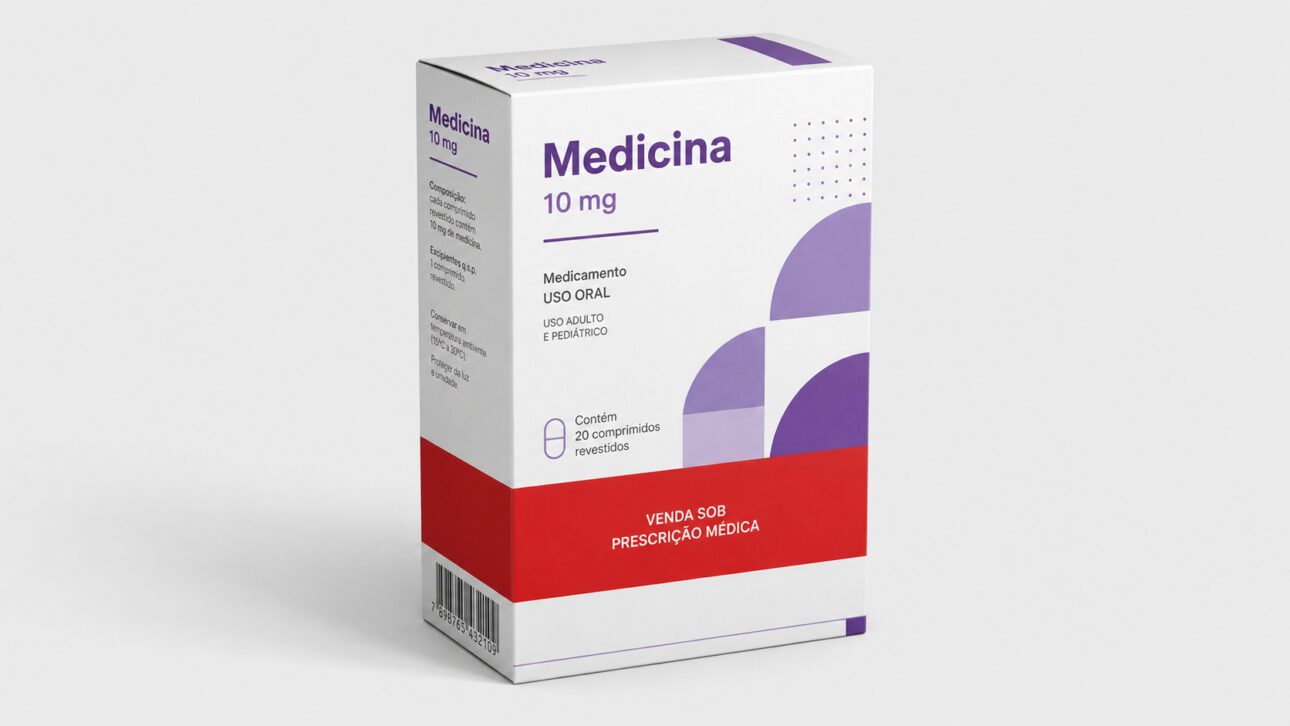
Clindamycin showed impurities and visual alteration
The batch 24101854 of clindamycin phosphate 150 mg/ml, manufactured by Hypofarma, also had its use, sale, and distribution suspended.
Anvisa confirmed the presence of quality deviations in the injectable antibiotic.
Among the reported issues are solution with a yellowish coloration, foreign bodies, and precipitates inside sealed ampoules.
The medication belongs to the category of injectable products, therefore any physical alteration may pose a risk to the patient.
Hypofarma stated that it addresses the resolution according to applicable regulatory protocols.
The company also declared that it maintains full cooperation with the competent authorities.
Equiplex saline solution was also recalled
Anvisa’s decision also includes the batch 2513588 of Equiplex Sodium Chloride Physiological Solution 9 mg/ml.
The product is used in intravenous administration.
The resolution did not detail the exact nature of the deviation found in this batch.
The agency only informed that there was confirmation of non-compliance with manufacturing standards.
The determination, therefore, prevents the circulation of the batch until the product is withdrawn from the market.
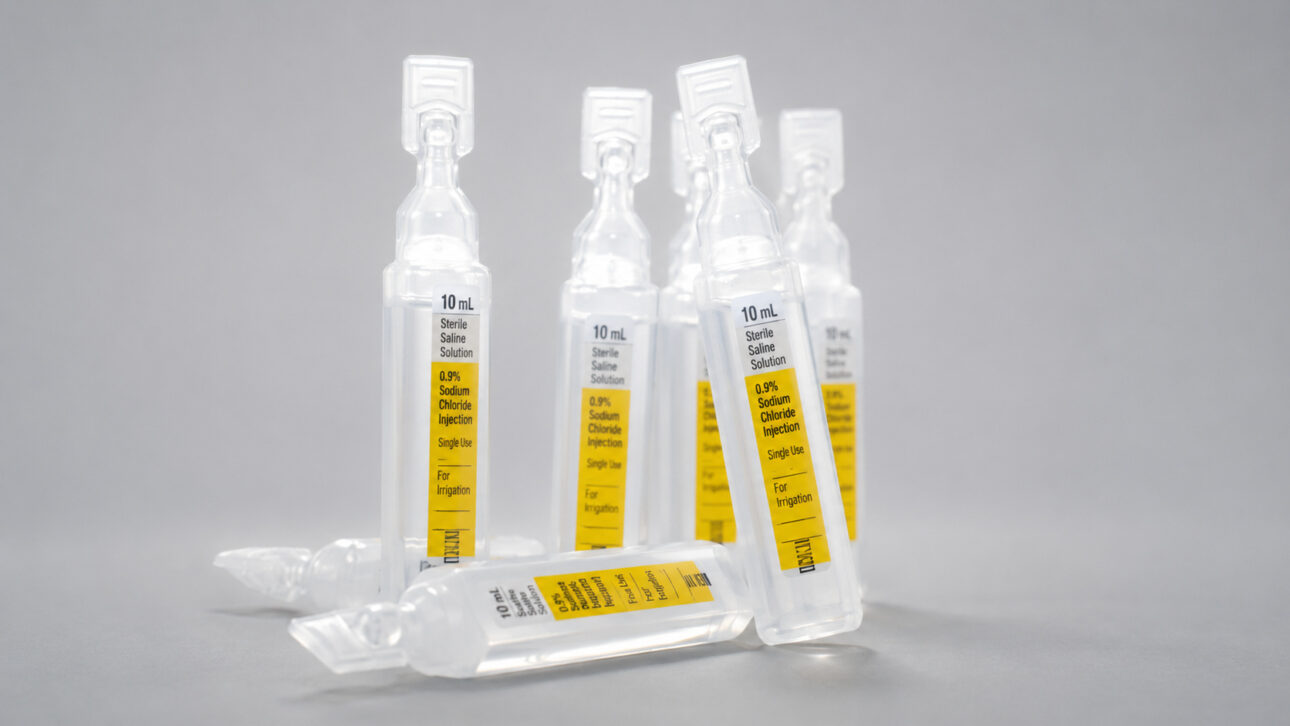
Batches affected by Anvisa’s measure
The resolution affects only the batches specified by the regulatory agency.
The measure does not automatically apply to all products of the mentioned companies.
Check the involved batches:
- Polycid, from União Química — batch 2519879
- Clindamycin Phosphate 150 mg/ml, from Hypofarma — batch 24101854
- Equiplex Sodium Chloride Physiological Solution 9 mg/ml — batch 2513588

Risks explain the withdrawal of products from the market
Contaminated injectable medications or those with particles can pose serious health risks.
Possible consequences include adverse reactions, inflammations, infections, and complications.
These effects can occur when foreign materials enter directly into the bloodstream.
The suspension of the batches aims to reduce risks to patients and prevent the use of products with confirmed deviations.
Anvisa’s actions also reinforce control over injectable medications and solutions used in healthcare settings.
What happens after the suspension of the batches
The mentioned batches must be withdrawn from the market by the responsible companies.
The products also cannot be sold, distributed, or used.
The decision follows the regulatory flow adopted in cases of confirmed quality failures.
The involved companies state that they are handling the case according to the requirements of health authorities.
Inspection, in this scenario, functions as an essential step to prevent products with potential risks from reaching patients.
Do you believe that this type of recall increases confidence in drug inspection in Brazil? Share your opinion!