






 Portuguese
  Spanish
  4 min of reading
  0 comments


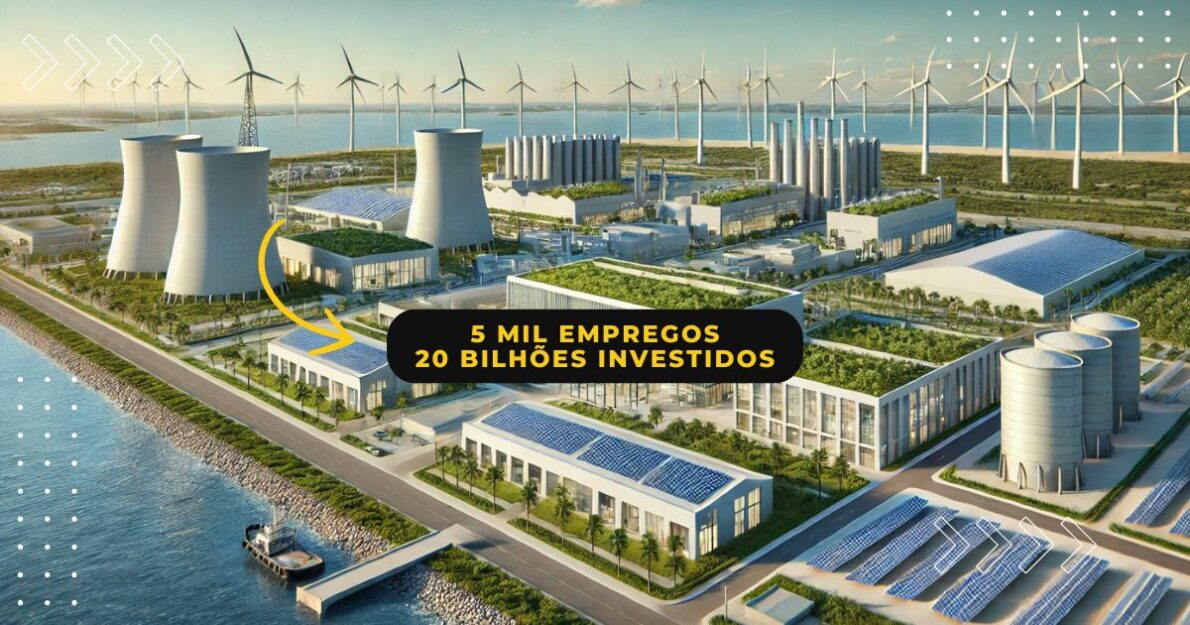
Brazil Is Ready to Receive an Investment of R$ 20 Billion for the Production of Green Hydrogen in the Northeast. With the Promise of Transforming the Region into a Pole of Sustainable Energy and Creating Thousands of Jobs, the Project Marks a New Step toward the Decarbonization of the Country.
The Future of Energy in Brazil Is Closer Than Ever to an Unprecedented Green Revolution.
An Ambitious Project, Aiming to Transform the Northeast into a Hub for Clean Energy, Promises Billions in Benefits and Thousands of Jobs.
The Industrial and Port Complex of Pecém, in the metropolitan region of Fortaleza (CE), Has Been Chosen as the Venue for the Installation of the Largest Green Hydrogen Production Plant in the Country.
-
Coal mine purchased for $2 million in Wyoming, the Brook Mine holds rare earth elements and critical minerals estimated at up to $37 billion, in an asset that the US is competing for with China.

-
In the year Brazil won the World Cup, gasoline cost R$ 1.77, the cheapest car was worth R$ 13,000, there were no flex-fuel cars, SUVs were rare, and no Chinese brand sold a single vehicle in the country.
-
Neighboring Balneário Camboriú will receive a R$ 1 billion airport with 225 hangars, an area of 2.2 million m², a technology park, and an export zone that promises to transform the economy and generate thousands of jobs.
-
After investing R$ 5,000 in fried chicken in his backyard, a Brazilian transformed two fryers and a freezer into a network with 115 sales points, presence in up to 17 states, and revenue exceeding R$ 115 million per year.



With an Estimated Investment of R$ 20 Billion and the Expectation of Creating 5,000 Jobs, the Project by the Australian Multinational Fortescue Advances with the Support of the Federal and State Governments.
The Project, According to Data from the National Confederation of Industry (CNI), Has Government Authorization and Stands Out as The Largest Investment in Green Hydrogen (H2V) Production in Brazil.
Green Hydrogen Is a Form of Sustainable Fuel That Uses Processes That Emit No Carbon, Resulting in a Cleaner Alternative to Fossil Fuels.
In a Scenario of Increasing Demand for Clean Energy, This Initiative Has Everything to Put Brazil in the Spotlight in the Global Energy Transition.
Preparation for Construction Begins This Year, with the Company Conducting Environmental and Engineering Impact Studies.
The Final Investment Decision, Which Will Give the Green Light for Construction, Is Expected in 2025, According to Fortescue.
The First Phase of the Project Envisions the Creation of a Plant with an Annual Production Capacity of 1.2 Gigawatts (GW), which Could Reach 2.1 GW in a Future Stage.
For Comparison, the Itaipu Plant, One of the Largest Hydroelectric Power Plants in the World, Has a Capacity of 14 GW.
Fortescue: From Mining to Green Energy
Founded in 2003 as a Mining Company, Fortescue Metals Group, Now Simply Called Fortescue, Has Started Investing in Green Energy in Its Recent Sustainable Shift.
Listed on the Australian Stock Exchange, the Company Reported Revenue of US$ 16 Billion in 2023 and Has Ongoing Projects in the United States, Australia, Morocco, Oman, and Other Countries.
According to Fortescue’s Country Manager in Brazil, Luis Viga, “Brazil Was Chosen as One of the Company’s Priority Projects Worldwide. Our Green Hydrogen Plant Will Be a Milestone for the Neo-Industrialization of the Country.”
The Company Remains Active in the Mining Sector, but Has Been Standing Out for Its Commitment to Decarbonizing Its Operations, Being a Pioneer in This Commitment Among Miners, as Reported to IstoÉ Dinheiro.
Understand What Green Hydrogen Is
Hydrogen, Although the Most Abundant Element in the Universe, Is Not Found in Pure Form and Must Be Isolated, Which Requires a Large Amount of Energy.
Through a Process Called Hydrolysis, It Is Possible to Extract Hydrogen from Water or Biomass, Provided That Renewable Sources Are Used.
This Hydrogen Produced Without Carbon Emissions Is Considered “Green” and Thus Ecologically Advantageous.
The Use of Green Hydrogen Is Not Limited to a Single Application.
It Can Supply Industrial Sectors with Specific Energy Needs, Such as Direct Combustion in Furnaces and Heaters, and It Is Also Used as Fuel for Rockets and Even in H2-Powered Vehicles.
In Brazil, H2V Is Still Primarily Used in Oil Refining and Fertilizer Production.
Due to Its Characteristic of Emitting No Carbon, It Becomes One of the Main Bets for the Decarbonization of the Planet.
In the European Union, the European Hydrogen Bank Finances Initiatives Involving This Fuel, Reflecting the Potential of Green Hydrogen to Promote a Global Shift Toward Cleaner Energy Sources.
Pecém: Strategic Location for Export
The Choice of Pecém as the Project Location Is No Coincidence.
The Complex, Resulting from a Partnership Between the Government of Ceará and the Port of Rotterdam in the Netherlands, Has Easy Access to the International Market and a Favorable Position for Export, Especially to the United States and Europe.
Additionally, the Existing Infrastructure at the Site and the Presence of 100 Wind Farms in Ceará Make Pecém a Strategic Choice.
Currently, Ceará Leads Green Hydrogen Production in Brazil, Concentrating 41% of Investments, About R$ 110.6 Billion, According to Data from CNI.
Across the Country, the H2V Sector Accounts for Over R$ 188 Billion in Investments.
Other Areas Near Ports Also Attract Similar Projects, Such as the Ports of Parnaíba (PI), Suape (PE), and Açu (RJ), which Sum Up to Billions in Investments and Continue to Boost H2V Development for Export.
Green Hydrogen and the Future of the Brazilian Market
Fortescue Also Bets on the Growth of the Domestic Green Hydrogen Market, Expecting That in the Future the Fuel Will Be Used in the Production of Fertilizers for Agribusiness in the Midwest, Along with Applications in the Steel and Cement Sectors, and Eco-Friendly Fuels Distributed Across the Country.
The Expectation Is That the Development of the National Market Will Also Enable Large-Scale Distribution of Sustainable Products, Bringing Economic and Environmental Benefits to Various Regions.
This Project Puts Brazil in a Prominent Position in the Global Clean Energy Sector, With the Potential to Attract Investments, Generate Jobs, and Establish the Country as a Reference in Sustainable Technology Development.
Will Green Hydrogen Finally Transform Brazil into a Global Sustainable Power?


Be the first to react!