






 Portuguese
  Spanish
  2 min of reading
  0 comments


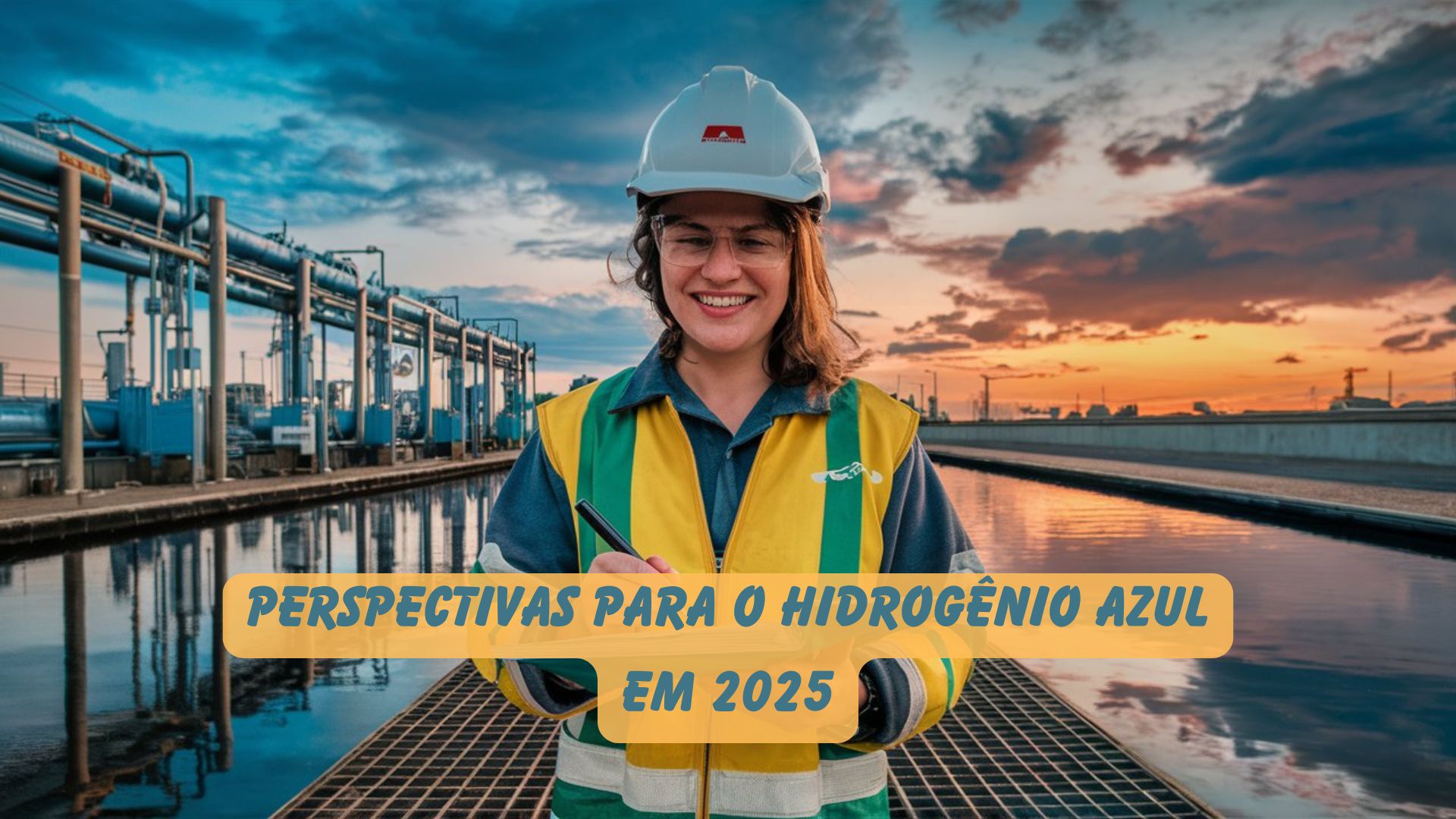
Why Blue Hydrogen May Be The Biggest Bet To Combat The Climate Crisis And Transform The Global Energy Matrix In 2025?
Blue hydrogen is set to become the key element of the energy transition in 2025. Indeed, advancements in carbon capture and storage (CCS) enhance its relevance. Furthermore, a strong decarbonization agenda makes blue hydrogen essential for the global matrix. Therefore, it promises to align economic growth with climate goals.
What Is Blue Hydrogen?
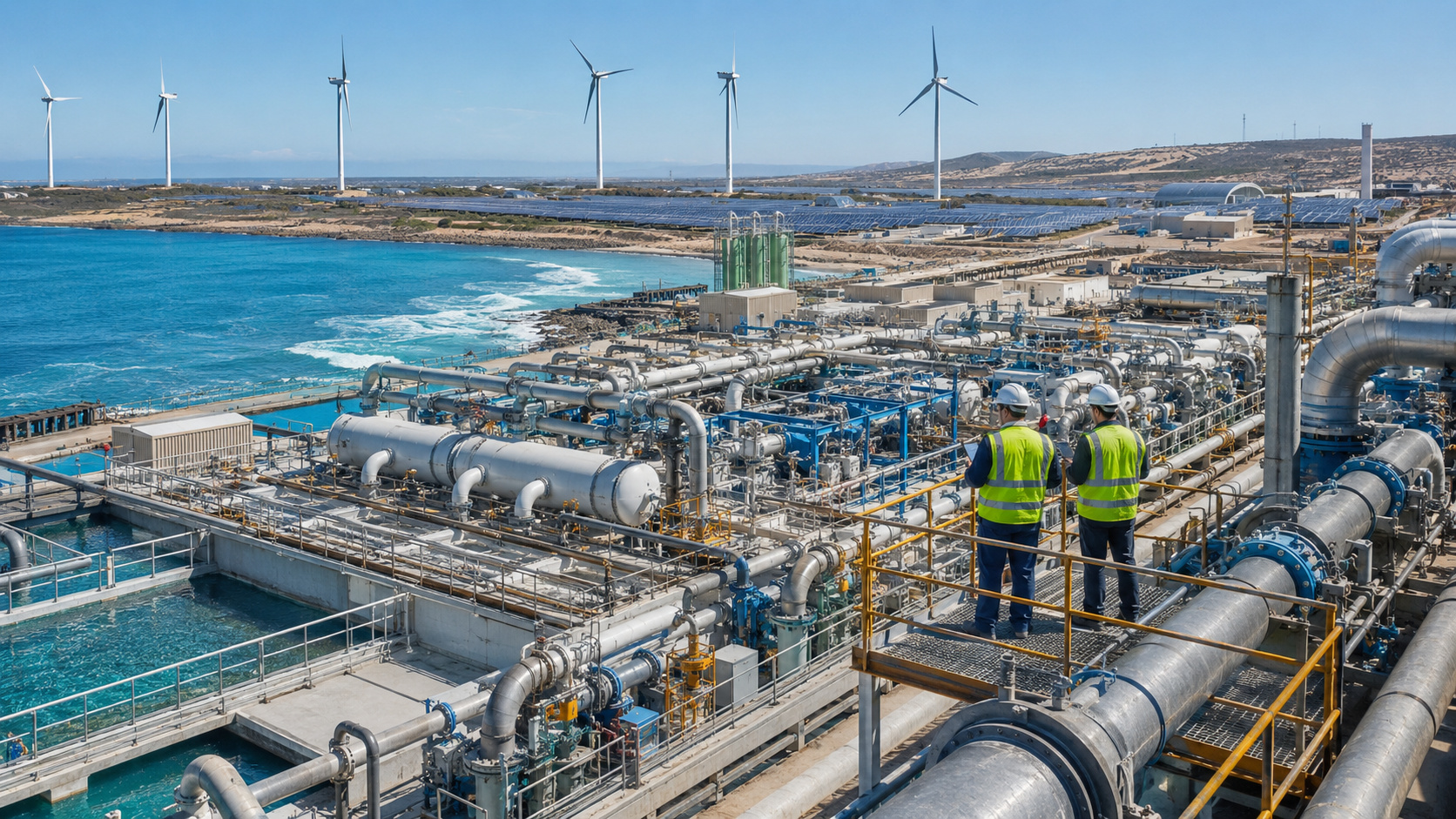
Certainly, blue hydrogen is produced from fossil fuels with CCS, reducing CO₂ emissions. Therefore, it is a viable and accessible alternative to green hydrogen. Moreover, it plays a crucial role in the energy transition, especially in regions with limited renewable sources.
Reasons For Its Relevance
First, it reduces emissions by up to 90%, making it essential for climate goals. Additionally, its lower costs, coupled with existing infrastructure, highlight its viability. Consequently, it is a pragmatic solution in a world seeking sustainability.
-
Brazilian promises his children to save a river, creates an eco-barrier in his backyard, has already removed more than 40 tons of trash from the water, and even inspires the idea in other states of the country.

-
How a Brazilian company created a system that transforms broken pallets of any brand into new assets, recycles 80 tons of plastic per month, and found a profitable solution to a problem that challenges industries across the country.

-
Invasive bullfrog capable of devouring other amphibians and laying up to 20,000 eggs is found in Florianópolis, raising an alert about the threat to native fauna.
-
It looks like a baby, but it’s an adult: meet the Bornean pygmy elephant, the smallest elephant in the world threatened by habitat loss.




2025: A Decisive Year
According to the International Energy Agency (IEA), 2025 will bring accelerated adoption of blue hydrogen. This is due to incentive policies and the geopolitical landscape. Thus, the year has the potential to solidify this technology as a pillar of the global transition.
Key Driving Factors
In the United States, the 45Q tax credit supports CCS projects. On the other hand, the European Union integrates blue hydrogen into its decarbonization goals. Furthermore, global investments indicate significant expansion by 2025.
And Green Hydrogen?
Simultaneously, green hydrogen is also advancing as a renewable alternative. Produced from clean energy, it is promising in regions like Latin America. However, it still faces cost and infrastructure challenges compared to blue hydrogen.
Latin America Highlight
Regions like Brazil and Chile combine low costs with vast renewable resources. Therefore, this scenario makes Latin America a promising region for green hydrogen. Additionally, national initiatives reinforce its potential as a global exporter.
Geopolitical Benefits
On the other hand, the International Renewable Energy Agency (IRENA) states that hydrogen can redefine global relations. This includes energy diversification and new export markets. Thus, producing countries can leverage unprecedented economic opportunities.
Obstacles To Consider
Although promising, blue hydrogen faces significant challenges. First, the high cost of CCS limits its expansion. Moreover, adapting the infrastructure requires high investments. Therefore, overcoming these barriers is essential for its widespread adoption.
In summary, 2025 promises to be a milestone in the energy transition. Despite challenges, blue hydrogen is gaining traction as an essential solution. Consequently, green hydrogen is also advancing, creating a diversified and sustainable market. Both will play complementary roles in the energy future.







Be the first to react!