






 Portuguese
  Spanish
  5 min of reading
  0 comments


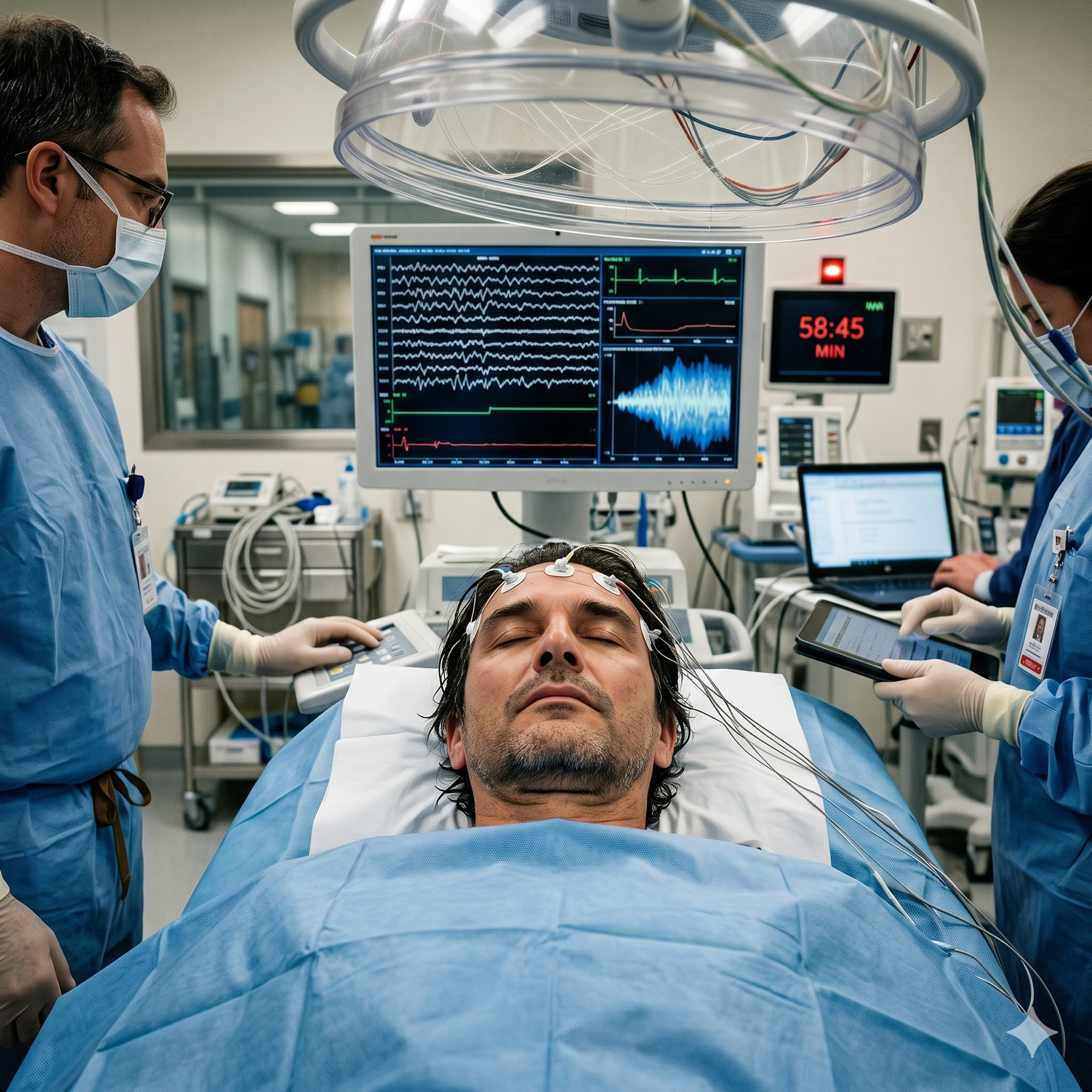
AWARE II study shows signs of consciousness and brain activity up to 60 minutes after cardiac arrest, challenging medical limits.
In 2023, cardiologist Sam Parnia and his team published in the scientific journal Resuscitation the results of the AWARE II study (AWAreness during REsuscitation), one of the largest ever conducted on consciousness and brain activity during in-hospital cardiac arrest. The research followed 567 patients in 25 hospitals across the United States and the United Kingdom between May 2017 and March 2020; of this total, 53 survived, 28 could be interviewed, and 11 reported memories or perceptions suggestive of consciousness during the event. The study also incorporated physiological monitoring during resuscitation, but this real-time brain recording by EEG was performed on a subset of 85 patients, and not on the entire sample.
The central point of the work is that the absence of visible clinical signs of consciousness during resuscitation does not necessarily equate to the complete absence of mental activity. According to the authors, in some cases, patterns of electrical brain activity compatible with organized processing were observed even during prolonged CPR maneuvers, while some survivors described mental experiences that occurred during the period when, from a clinical perspective, they appeared unconscious.
The researchers themselves emphasize, however, that the data neither definitively prove nor rule out the meaning of these experiences, and advocate for further investigations to better understand the relationship between consciousness, brain, and resuscitation.
-
They wanted artificial intelligence, but they drained the water from a village in Mexico: the water consumption of data centers caused a hepatitis outbreak, and big tech companies Amazon, Microsoft, and Google were forced to halt billion-dollar projects.

-
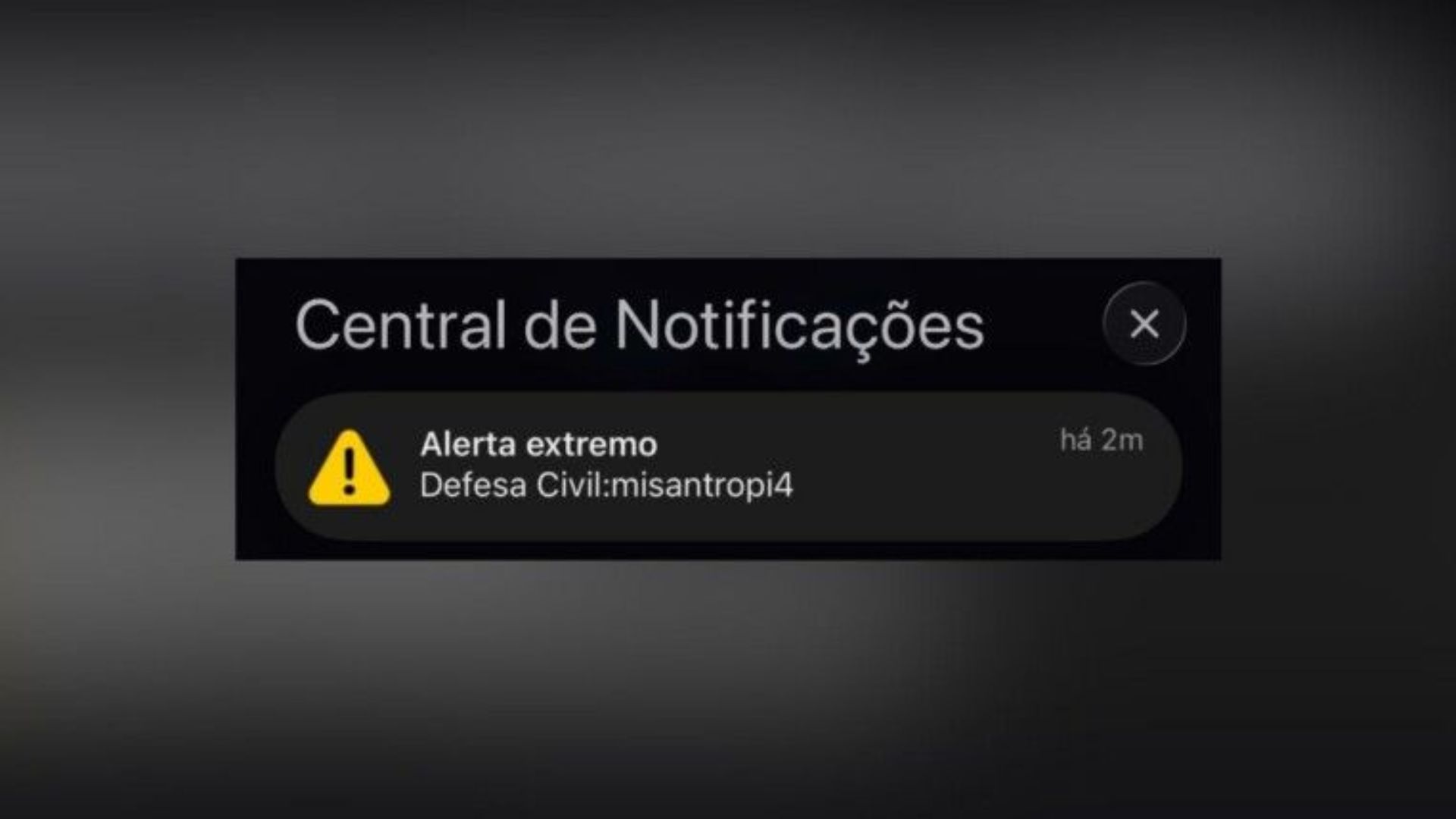
System created to save lives in disasters turned ‘against’ Brazilians overnight: a hacker attack sent out a false alert from Civil Defense with the word “misantropia” that went off on the phones of half the country, even in silent mode, and took down the Cell Broadcast.
-
In the cold desert of Ladakh, where it hardly rains, engineer Sonam Wangchuk created the ice stupa, a tower that freezes winter water and stores it for irrigating crops in the spring, a simple engineering feat that mimics nature.
-
For the first time in history, solar and wind energy generated more electricity than natural gas worldwide in a single month, April 2026, a milestone in the energy transition that shows renewable sources taking the lead in the global electric system.



Some survivors report memories and perceptions during the period of unconsciousness
The results show that a fraction of resuscitated patients reported some type of conscious experience. Among the interviewed survivors, about 39% reported perceptions or memories compatible with some degree of consciousness during cardiac arrest.
These experiences were classified into different categories, including:
- Sensations of consciousness during resuscitation
- Dream-like experiences
- Accounts described as “near-death” experiences


These data indicate that mental processes can occur even when the brain is under extreme conditions of oxygen deprivation.
Monitoring detects brain patterns associated with consciousness during resuscitation
One of the most relevant aspects of the study was the use of real-time brain monitoring. During resuscitation attempts, the researchers used electroencephalography (EEG) and other methods to monitor patients’ brain activity.
The results indicated that, in some cases, **brain wave patterns associated with cognitive processing and consciousness** were detected, including signals in ranges such as delta, theta, and alpha, and even more complex patterns.
Furthermore, studies associated with the project indicate that **brain activity linked to thought and memory can persist for up to an hour after cardiac arrest**.
This finding challenges the traditional view that brain activity rapidly ceases after the interruption of blood flow.
Reported experiences include perception of the environment and medical procedures
Some patient accounts include descriptions of the surrounding environment during the period of unconsciousness. In specific cases, patients claimed to have perceived sounds, conversations, or medical procedures performed during resuscitation.

Although these accounts are still subject to scientific debate, they raise important questions about the level of sensory processing during cardiac arrest.
The possibility of auditory perception during this state broadens the questioning about the limits of consciousness.
Study used visual and auditory stimuli to test perception during cardiac arrest
To investigate the possibility of verifiable consciousness, the study incorporated innovative experimental methods.
Among them were:
- Audio devices with specific messages
- Images positioned in locations visible only from an elevated point
These elements were designed to test whether patients could report information that would not be available under normal perceptual conditions.

The results showed limited identification of these stimuli, but did not completely rule out the possibility of sensory processing.
The methodology sought to differentiate subjective memory from verifiable perception, one of the most complex points of this type of research.
Low survival rate limits number of analyzable reports
An important factor in interpreting the results is the survival rate. Of the 567 patients, only 53 survived, and a smaller group was able to participate in detailed interviews .
This reduces the number of analyzable cases and limits the generalization of the results. Furthermore, factors such as sedation, neurological damage, and fragmented memory can influence the reports.
These limitations are recognized by the researchers themselves and are part of the ongoing scientific debate.
Consciousness may exist in forms not detected by traditional clinical methods
One of the main points raised by Sam Parnia and his team is that consciousness may not be fully captured by current clinical methods.
Traditional medicine defines consciousness based on observable signs, such as response to stimuli and detectable brain activity in known patterns.

However, the study data suggest that there may be forms of mental activity that are not easily detected. This raises the hypothesis that consciousness may persist in states that escape conventional monitoring tools.
Scientific community maintains debate on interpretation of results
Despite the findings, the interpretation of the results remains controversial. Part of the scientific community believes that the reported experiences can be explained by known neurobiological processes, such as residual brain activity or memory reconstruction after recovery.
Other researchers argue that the data indicate gaps in the current understanding of consciousness. To date, there is no consensus on the exact meaning of the reported experiences.
AWARE II is not limited to the field of cardiology. The results have implications for areas such as neuroscience, psychology, and philosophy of mind, especially regarding the definition of consciousness and the limits of biological life.
The possibility of mental activity during states considered critical raises questions about how consciousness is generated and maintained.
These questions go beyond medical practice and enter the broader field of understanding the human mind.
Future research should deepen investigation into consciousness in critical states
The study authors themselves highlight the need for further research.
Among the future objectives are:
- Improve brain monitoring methods
- Expand the number of analyzed patients
- Investigate long-term effects on reported experiences
These studies can help clarify whether the observed phenomena are rare, common, or still underestimated. Continued research will be essential to advance the understanding of the topic.
Given these results, how far does consciousness extend when the body collapses?
The AWARE II data indicate that the relationship between brain activity and consciousness may be more complex than previously imagined.
With reports of perception and signs of brain activity during cardiac arrest, the study opens a new line of investigation into the limits of the human mind.
The question that remains is direct: if consciousness can persist even when the body enters a critical state, how far does this activity go and what does it reveal about the nature of the mind?





-

1 person reacted to this.