






 Portuguese
  Spanish
  4 min of reading
  0 comments



Accounts from owners show that buying a country house can move from leisure to a routine of heavy maintenance, recurring costs, and tiring commutes, especially for middle-class families who do not have a caretaker or budget to keep the property running.
Buying a country house appears, for many middle-class people, as the perfect image of relaxation: escaping traffic, pollution, city noise and spending the weekend close to nature, with a pool, barbecue, fishing, campfire, and silence. But, for those who have lived this experience, the dream can quickly turn into an expensive, tiring routine full of regrets.
Accounts from owners shown by the Canal Gemeos Investem show that the country house, when bought without planning, stops being leisure and becomes work. The phrase repeated by many is straightforward: “a country house gives two joys, when you buy it and when you sell it.”
The reason appears in the details of daily life: grass growing, fences to fix, pool to clean, trees dying, ants attacking, dirt roads wearing out cars and motorcycles, and the difficulty in finding someone willing to do the heavy work.
-
Federal Police involved in the case to identify the person responsible for hacking the Civil Defense system, which sent ten false alerts, frightened residents of different capitals, and turned messages about real risks into notifications with “misanthropy” and even alien attacks.

-
Extreme drought causes ghost village to reappear at the bottom of the reservoir that supplies Athens, revealing houses, a school, and ruins swallowed since the 1980s as the lake shrinks and exposes the water crisis threatening the capital of Greece.

-
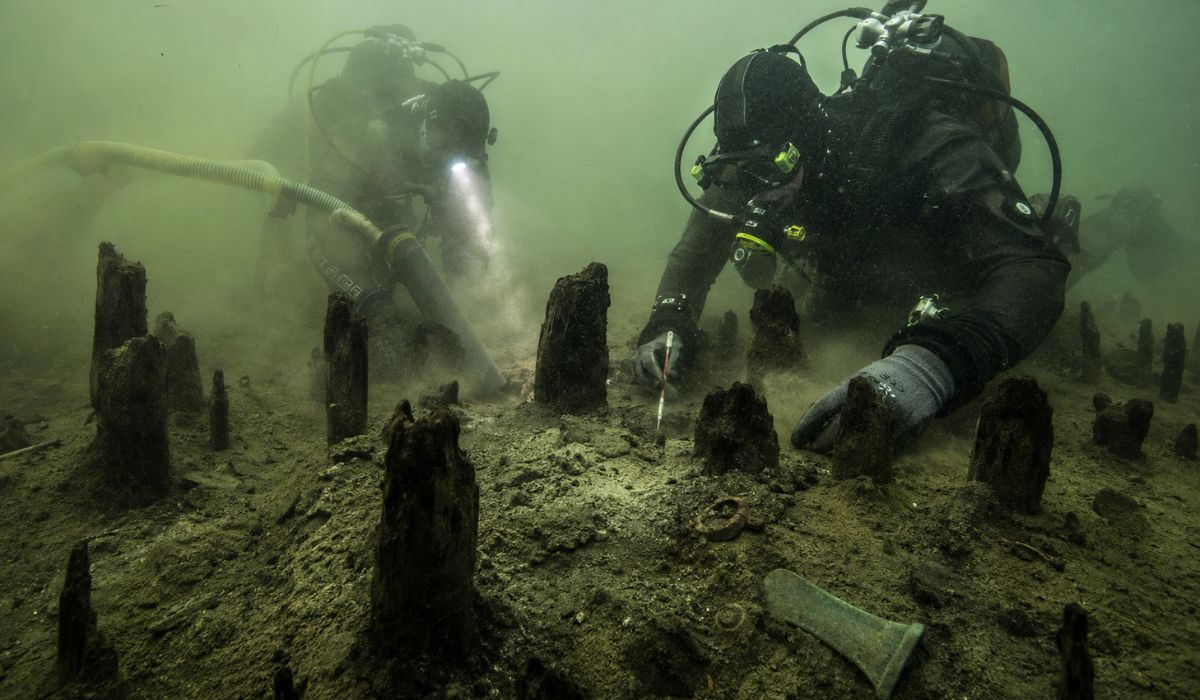
An entire village lay asleep at the bottom of a lake for 3,000 years: divers suction sediments in Italy and reveal more than 600 wooden stakes, bronze tools, and traces of a Bronze Age settlement hidden underwater.
-
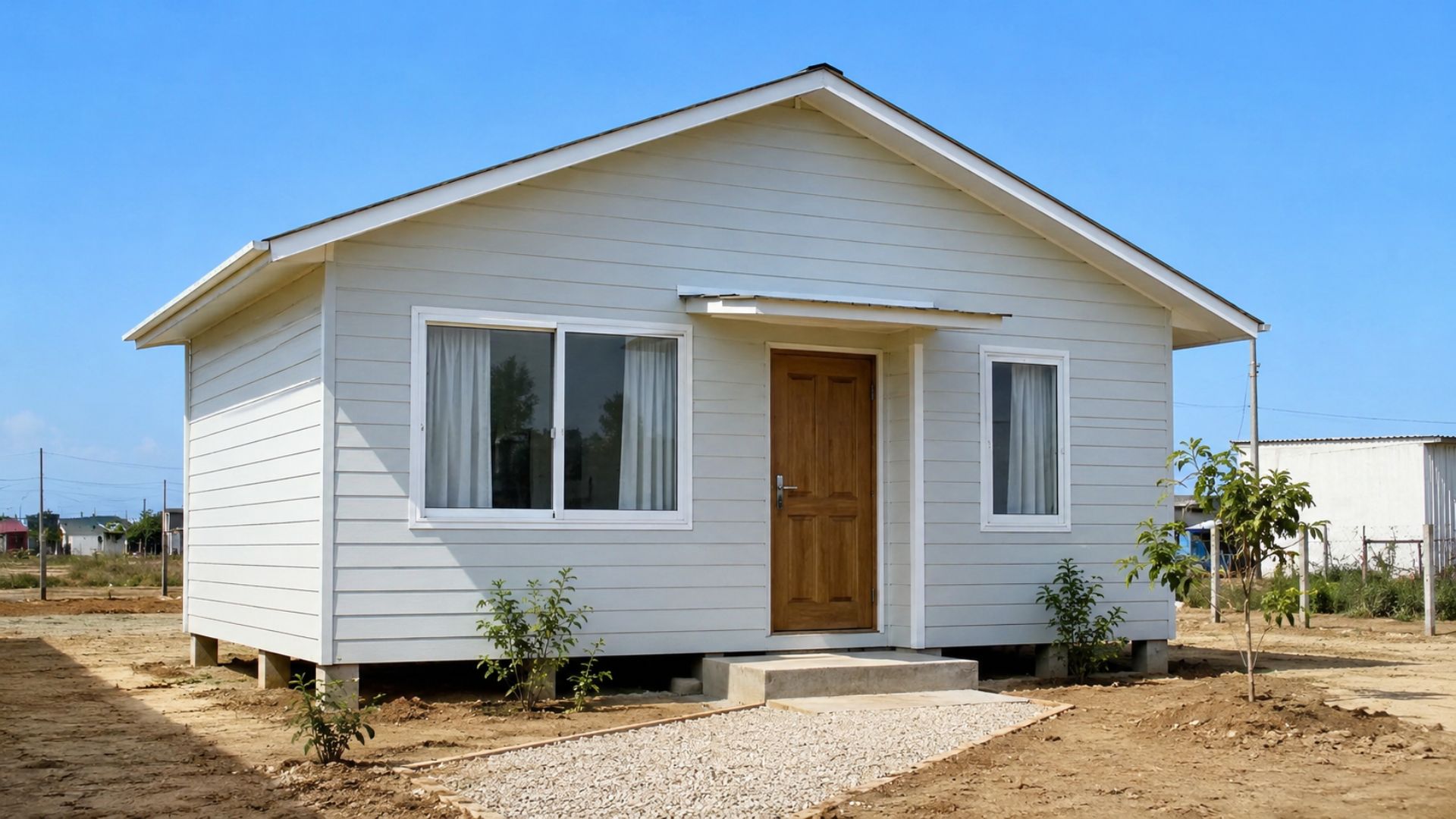
They call it the “Shopee house” and even cardboard, but the R$ 20,000 house is a certified Wood Frame from Alea, financed by Minha Casa Minha Vida: understand if it’s worth more than masonry.


Leisure that turns into work on the weekend
The main regret reported by country house owners is in the maintenance routine. Those who work all week in the city often imagine they will arrive at the site just to relax. In practice, many spend Saturday and Sunday mowing, weeding, raking, gathering branches, cleaning the pool, tending the garden, fixing fences, and trying to control pests.
One of the strongest accounts is from a buyer who decided to sell the property after realizing he used every weekend to work. He states that he bought the country house thinking of leisure, but ended up “getting screwed” with constant work. The road also became a problem: according to him, cars and motorcycles were worn out on trips to the location.
This point weighs even more for the middle class, who cannot always buy an area close to the city.
The further and more dirt roads there are, the cheaper the property tends to be. The lower entry price, however, can hide maintenance, travel, and wear costs.
Without a caretaker, the owner becomes the property’s employee
The recurring assessment among people who regretted it is that a country house does not fit a tight budget. For it to function as leisure, the property needs someone taking care of it. Without a caretaker, housekeeper, or farm worker, the owner takes on everything.
The problem is that hiring labor is not simple either. There are reports of difficulty finding people willing to work with hoes, brush cutters, and heavy cleaning. When found, the cost can be burdensome. Therefore, many owners end up saying they “like to do it,” when, in practice, they don’t want or can’t afford to pay someone to maintain the property.
The difference appears when the person lives on the property. In this case, the work is part of the routine and can even be enjoyable for those who like living in the countryside. For retirees or people looking for an occupation, the property can work well. But, as occasional leisure, the scenario changes.
Family, visits, and expenses increase the wear
Another reason for regret involves relatives and friends. Owners report that family members ask to borrow the country house, use the pool, make a mess, break things, and leave the cleaning to the owner. The same happens with beach houses, cited as a comparison: the leisure property becomes a meeting point for others, while the expenses remain with the owner.
Some have sold their country houses and beach houses and preferred to invest the money. With the income, they started renting inns, hotels, or houses for the season when they wanted to travel. The advantage, in this case, is not being tied to the same place, not bearing permanent maintenance, and not turning assets into a concern.
When the country house is worth it
The country house may be worth it for those who have enough money to maintain a caretaker, pay for services, take care of the structure, and still preserve investments. It can also make sense for those who really enjoy rural work, live on the property, or wish to swap the city for the countryside.
For those seeking just a weekend getaway, however, the reports raise a warning. The dream of the pool, hammock, and barbecue may come accompanied by hoes, weeds, ants, bad roads, freeloading relatives, and high bills. Before buying, the central question is not just whether the country house fits the budget, but if it fits the routine.





-

1 person reacted to this.