Portuguese
  Spanish


Discover How the Brazilian Industry Invests in Renewable Sources, Reduces Costs, and Increases Efficiency in Its Production Processes.
The energy transition has become one of the central themes in global debate over the last few decades. Moreover, issues such as climate change, global warming, and intensive exploration of natural resources pressure countries around the world to find ways to consume energy without degrading the environment.
In this context, Brazil stands out as an important player, mainly due to its vast natural wealth, which includes water reserves, biological resources, and a large diversity of territory. Therefore, more and more Brazilian companies recognize the importance of adopting sustainable practices and investing in clean energy.
Historically, the industrial sector in Brazil heavily relied on non-renewable sources, such as oil and coal. However, changes in energy policies, along with growing global demand for sustainability, have encouraged the industry to seek cleaner alternatives.
-
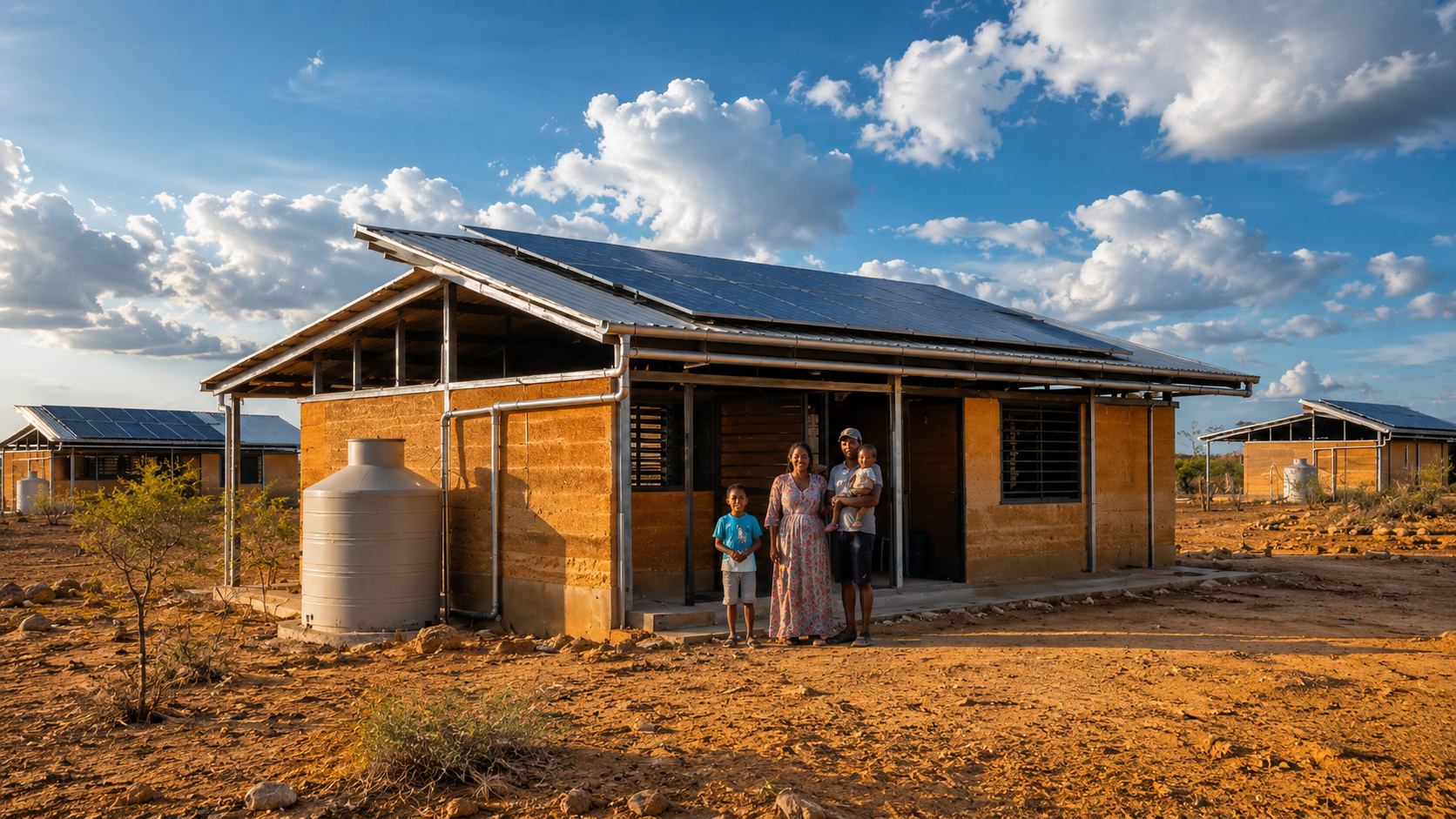
In Colombia’s desert, 30 families receive 80 m² homes with solar panels, waterless toilets, and rainwater collection systems amid water and energy shortages.

-
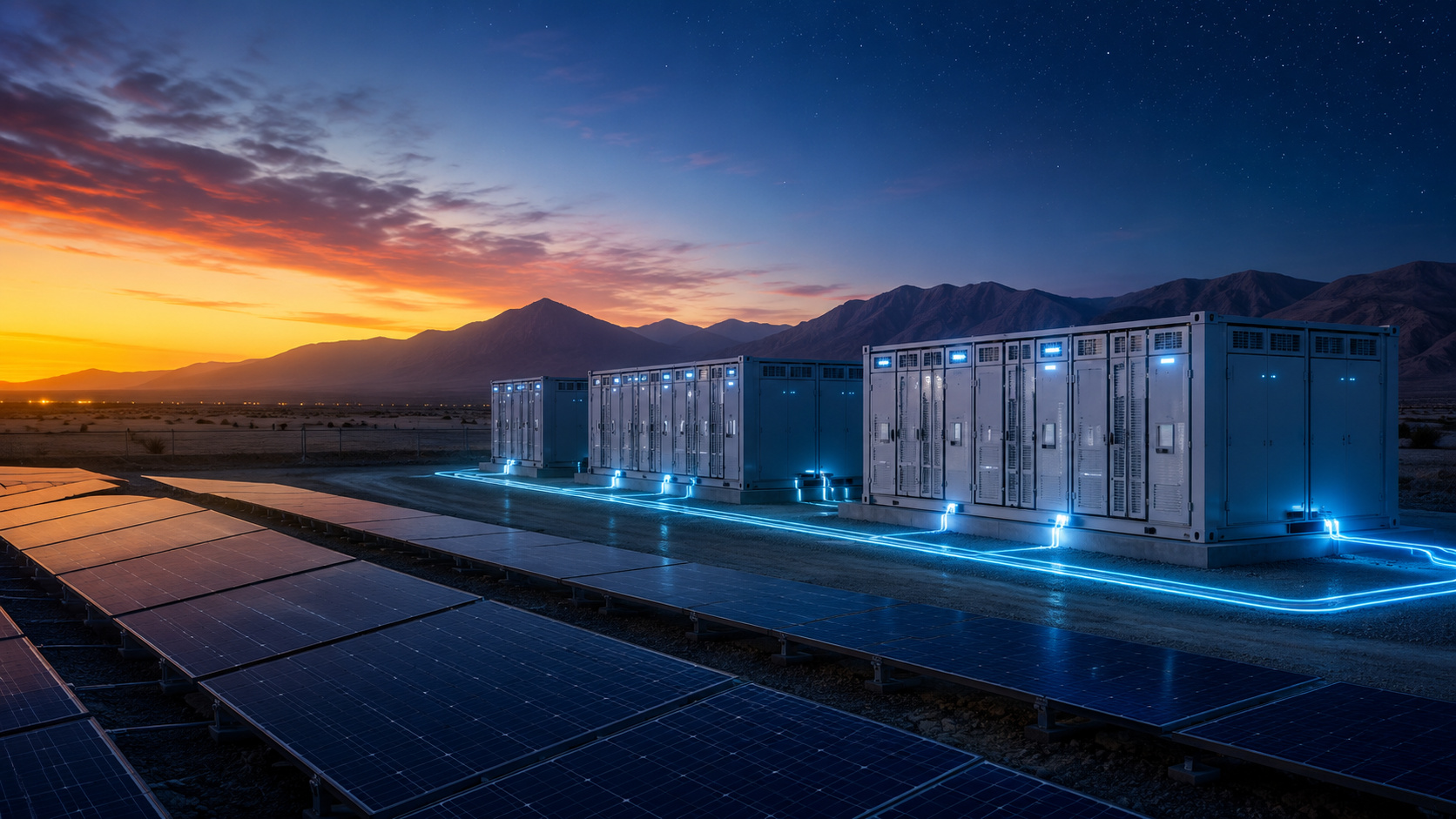
Engie Secures 10-Year Use of 625 MWh in Batteries to Store Excess Solar and Wind Energy in Spain by 2028
-
Giant Batteries Take Center Stage in Chile Auction as Company Offers 960 GWh of Solar Energy for Nighttime Use, Aiming to Stabilize Solar Power Supply
-
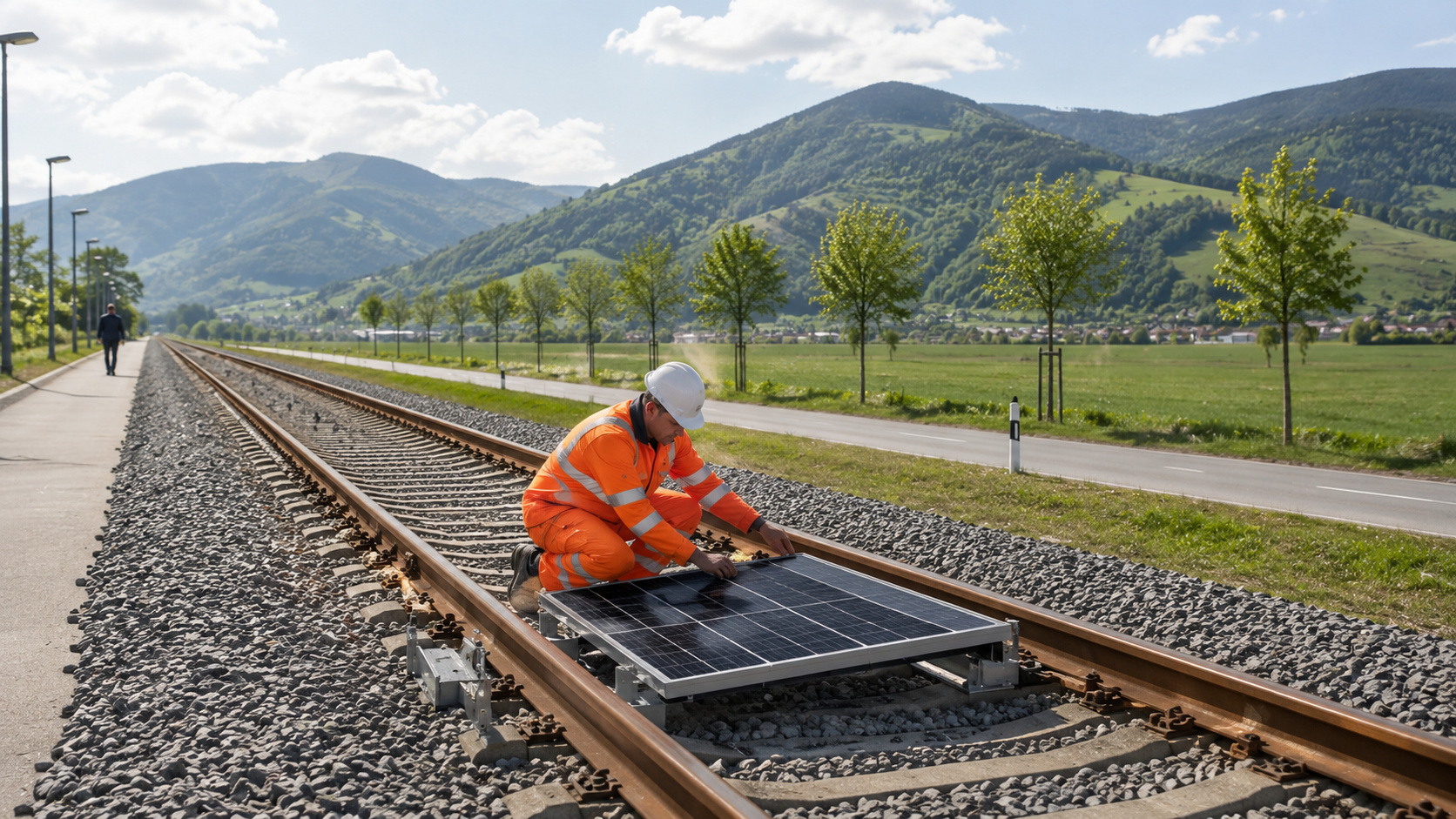
After a Year of Success in Switzerland, Solar Railway Attracts Italy’s Interest for Clean Energy Transformation

Consequently, it is now possible to observe a significant evolution: 48% of the Brazilian industry invests in renewable sources, utilizing technologies related to solar, wind, hydropower, biomass, and low-carbon hydrogen.
Thus, this movement reflects not only a response to environmental pressures but also a smart economic strategy.
The expansion of renewable sources in the Brazilian industrial sector did not occur in isolation. In fact, the country has built a solid track record in the use of clean energy, especially in the generation of electricity.
On the other hand, the growing environmental awareness of society has driven significant changes. Consumers demand that products and services be generated sustainably, while governments reinforce public policies that encourage the use of clean energy.
Thus, this convergence of interests has created a favorable environment for the Brazilian industry to invest in renewable sources, making the practice a strategic choice rather than just a regulatory obligation.
Significant Growth of the Industrial Sector in Renewable Energy
Recent data from the Brazilian National Confederation of Industry (CNI) shows that the participation of companies adopting renewable energy rose from 34% in 2023 to 48% in 2024. Therefore, this significant growth demonstrates that investment in clean sources has ceased to be a one-off initiative and has become strategically integrated into industrial operations.
Furthermore, more than just meeting regulatory requirements or environmental commitments, the adoption of renewable energy reduces operational costs and decreases dependence on fossil fuels, which suffer from price volatility in the international market.
Another relevant factor is that the Brazilian industry invests in renewable sources to strengthen its institutional image. Thus, in an increasingly connected world, consumers, investors, and business partners value companies that demonstrate environmental and social responsibility.
Therefore, many industries seek clean energy as a way to improve their reputation, meet the requirements of global supply chains, and ensure competitiveness in international markets.
The alignment with ESG practices (environmental, social, and governance) plays a central role in this process. Companies that adopt sustainability policies, including the use of renewable sources, consolidate their market position, attract investments, and comply with corporate governance standards.
Moreover, the implementation of clean technologies reduces greenhouse gas emissions, a point increasingly valued in international agreements and industrial decarbonization strategies.
Additionally, another relevant aspect is the technological innovation accompanying this transformation. The Brazilian industry invests in intelligent energy monitoring and management systems, allowing for waste identification and process optimization.
In this way, this integration of technology and sustainability further strengthens the competitiveness of the sector, showing that investment in renewable sources is not only environmentally sound but also financially advantageous.
Main Sources of Renewable Energy in the Brazilian Industry
Solar energy has gained prominence among Brazilian industries. Many companies have installed their own photovoltaic systems, generating part of the energy consumed directly in their facilities.
Consequently, this practice reduces electricity costs and increases the energy autonomy of industries. In the wind sector, generation parks close to production units also represent a viable alternative, especially in regions with high potential for constant winds.
Thus, the combination of these sources demonstrates how energy diversification makes industrial processes more sustainable and resilient.
Biomass also stands out, especially in sectors that generate organic waste, such as agro-industrial. Companies transform this waste into energy, reducing environmental impacts and providing electricity or heat for industrial processes.
In this way, this recycling cycle makes the industry more efficient and contributes to the circular economy, reinforcing the sector’s environmental commitment.
Historically, Brazil has always shown great potential for the development of renewable energies. The abundance of rivers, high solar incidence, and constant winds in various regions of the country offer favorable conditions for clean generation.
However, only in recent decades have public policies, tax incentives, and private investments allowed the national industry to effectively take advantage of this potential. Therefore, today, the result is a more balanced energy matrix, with a growing share of renewable sources in production processes.
The experience accumulated over the years shows that investing in clean energy is not only an environmental issue but also an economic one. Companies that adopt renewable sources reduce variability in energy costs, increasing financial predictability.
In addition, there are efficiency gains, since modern generation systems, such as solar panels and wind turbines, require relatively low maintenance and have a long lifespan.
Thus, the initial investment is amortized over time, making operations more sustainable in every sense.
Economic and Social Benefits of Renewable Energy
The industrial sector also observes that the use of renewable sources positively influences relationships with society and regulatory bodies. Companies that demonstrate a commitment to sustainability receive support in environmental licensing and gain greater credibility with communities and customers.
Therefore, this effect, although indirect, reinforces the idea that the Brazilian industry invests in renewable sources not only to reduce environmental impacts but also to consolidate its market position.
Moreover, investments in clean energy stimulate the creation of skilled jobs, especially in areas of engineering, installation, and maintenance of renewable systems.
In this way, this social effect contributes to regional development and strengthens the local economy, creating a positive impact beyond the company’s borders. The expansion of sustainable industry generates a cycle of innovation, jobs, and environmental preservation that benefits society as a whole.
The outlook for the future is one of continuous growth. Brazil strengthens clean energy incentive programs and expands regulations that favor sustainable development.
Thus, it is expected that the percentage of industries adopting renewable sources will increase in the coming years, making the industrial matrix more green and efficient.
Furthermore, as more companies engage in this movement, a virtuous cycle is created, where technological innovation and environmental responsibility go hand in hand.
Therefore, the adoption of clean technologies not only reduces costs and increases efficiency, but also strengthens corporate image and contributes to the decarbonization of the economy.
The path of the energy transition is long and challenging, but the results are already becoming visible. With 48% of industrial companies adopting renewable sources, Brazil demonstrates that it is possible to reconcile economic development, global competitiveness, and environmental responsibility.
Thus, this movement, which once seemed restricted to large international groups, is now consolidating as a central part of Brazilian industrial strategies, making the country a reference in innovation and sustainability.