





 Portuguese
  English
  Spanish
 4 min of reading
  0 comments


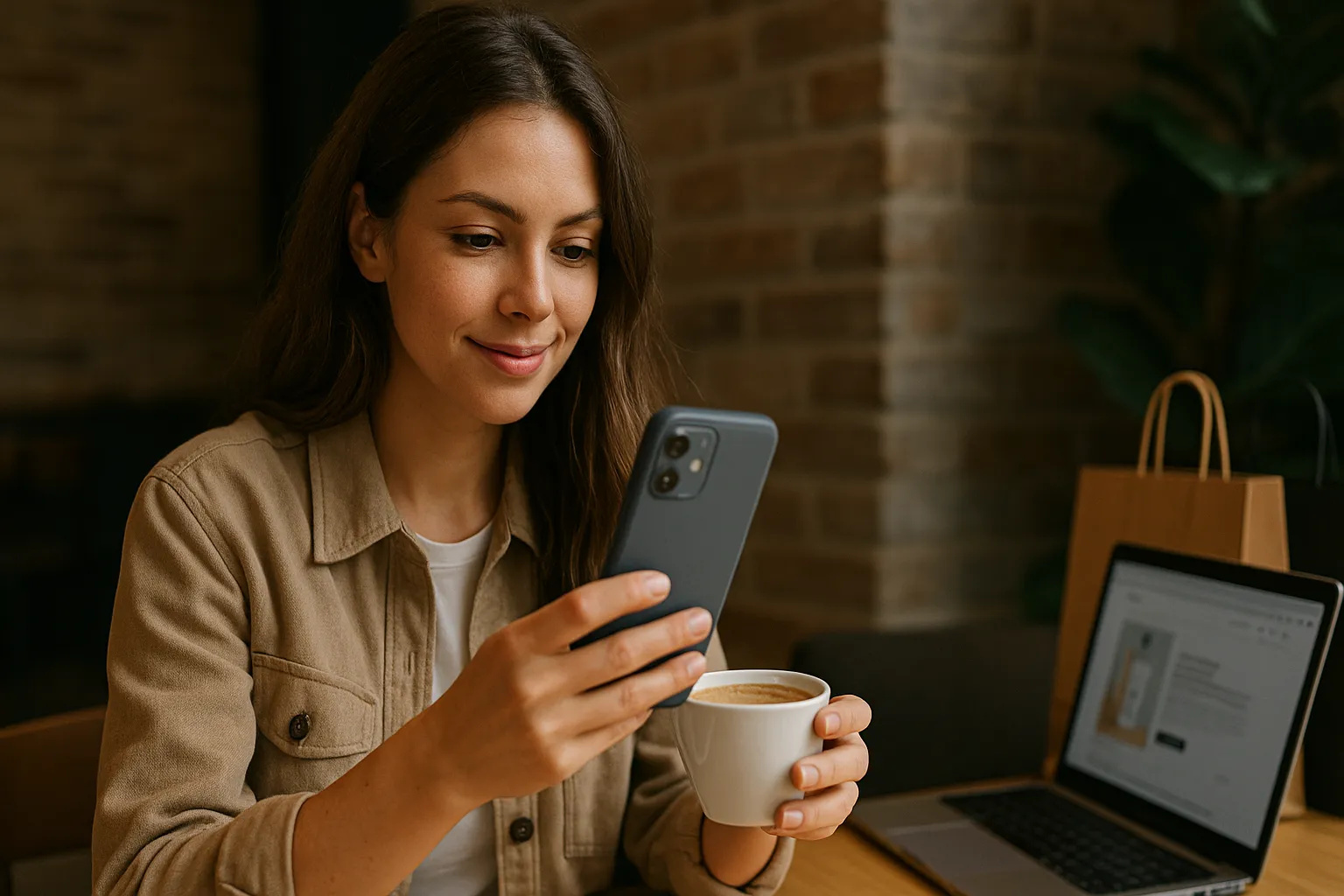
Have you ever stopped to think about how Instagram influences your purchasing decisions without you realizing it? The way we try on clothes, decide on trips, or even how we choose restaurants, this social network has been shaping behaviors and defining trends in a silent yet extremely effective manner. What seemed like just a space for sharing photos has transformed into a powerful consumption engine, capable of dictating habits, creating desires, and even turning small businesses into global brands.
Instagram As A Showcase For Immediate Consumption
Instagram has ceased to be just a social network and has established itself as a true shopping showcase. Data from Opinion Box, in partnership with Dito CRM, shows that 54% of Brazilians have purchased a product after seeing it on Instagram. Moreover, 70% claim to have discovered new brands through the platform. This figure reveals the power of the network to transform a simple post into a direct sales opportunity, especially when associated with influencers who gain the audience’s trust.
More than just displaying products, Instagram creates an irresistible visual experience. The aesthetic appeal, combined with tools like Instagram Shopping, generates what specialists call “digital impulse buying.” In other words, the decision happens almost instantly, without the consumer seeking other sources of information.
-
The paycheck that seemed impossible: São José employee receives R$ 7.94 after legal strike, while deductions by the City Hall affect over a thousand employees and become a target of inquiry in the City Council.

-
With only R$ 50 in his pocket and a dream, the 26-year-old Tocantins native Willian Gomes left Tocantins and has already cycled over 4,000 kilometers towards Ushuaia, at the southern tip of Argentina, without accepting a single ride in eight months.

-
Pink lagoon of Torrevieja appears in NASA image as if it were an artificial structure, but impresses scientists by hiding a natural process formed by salt and microscopic life.
-
City in India turns trash into currency: 1 kg of bottles and plastic packaging becomes a full meal at the “trash café” that has already removed 23 tons from the streets and has become a weapon against hunger, pollution, and landfills.


The Weight of Digital Influencers in Purchase Decisions
The impact of content creators is so significant that, according to a survey by Nielsen Brazil, 8 out of 10 consumers have purchased products recommended by influencers. This trust stems from a sense of proximity: people believe they are receiving tips from friends when, in fact, they are facing a well-calculated marketing strategy.
On the international scene, a report from Statista indicates that, in 2023, the global influencer marketing market generated over 21 billion dollars. This data reinforces that Instagram is not just a social network, but an expanding advertising ecosystem, where each post can generate millions in sales.
The Aspirational Aesthetic That Guides Behaviors
Another determining factor is the aspirational aesthetic present on Instagram. According to the Digital 2024 report from We Are Social in partnership with Meltwater, Brazil is the third country that consumes Instagram the most in the world, and the logic of “wanting to be” becomes more intense. Photos of luxurious trips, perfect bodies, or impeccably decorated homes not only inspire but also generate consumption. Users seek to replicate in the physical world what they admire in the digital.
This is reflected in sectors like tourism and gastronomy. A study by FGV showed that 42% of young people choose travel destinations based on the “Instagrammable” nature of the location, while bars and restaurants have started investing in environments and dishes designed for great photos.
The Psychological Effect: FOMO and Impulse Buying
Instagram also exploits the fear of missing out, famously known as FOMO (Fear of Missing Out). Temporary promotions in Stories, exclusive launches, and live sales create urgency and pressure consumers to act quickly. The result? An increase in impulse buying.
According to a survey conducted by SPC Brazil, 49% of consumers have purchased something they did not need just to take advantage of a “limited opportunity.” On Instagram, this practice is amplified, as the network stimulates notifications and bombards users with real-time updates.
The Impact on Small Businesses and Local Commerce
If, on one hand, large brands use Instagram as a consolidated sales channel, on the other hand, small entrepreneurs have found a chance to grow without substantial investments in advertising. According to a survey by Sebrae, 72% of micro and small Brazilian businesses use Instagram as their main channel for promoting and engaging with customers.
In practice, this means that bakeries, thrift stores, artisans, and freelancers can compete for visibility with large companies. The geolocation and local hashtag features strengthen the connection between brands and consumers in the same region, generating a direct impact on the economy.
The international scene confirms this trend. In the United States, a report by Hootsuite shows that 44% of small businesses rely on Instagram to attract customers and generate sales. This transforms the network into a democratic space where both multinationals and local entrepreneurs vie for attention and consumption.
Instagram is not just a social network: it has become a mirror of collective desire and a silent guide to consumption. It not only dictates trends but also influences behaviors and redefines how we relate to brands and products. Understanding this impact is essential for conscious consumers and for businesses aiming to remain relevant in an increasingly visual and instant market.







-

-

3 people reacted to this.