






 Portuguese
  Spanish


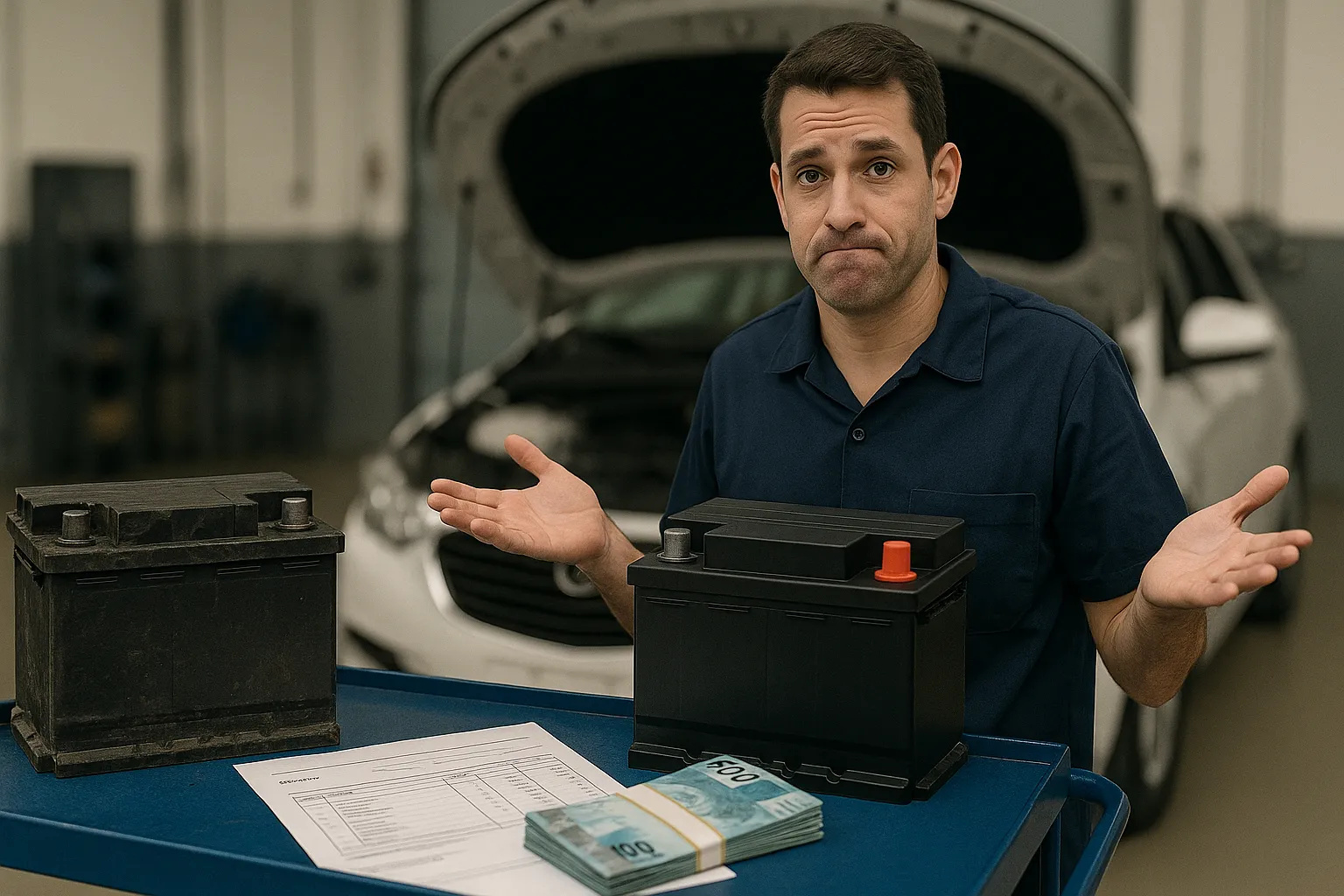
Have you ever needed to start your car and noticed that discouraging silence? That’s right — the lifespan of the battery is often shorter than promised, and the problem almost always lies in the driver’s habits. Many don’t even realize that small careless acts can reduce months, even years, of the durability of this essential component. The good news is that with attention and simple adjustments, it is possible to save money and avoid headaches.
Battery Lifespan: What Really Influences It
Many people believe that a car battery has a fixed expiration date, but that’s a myth. Although the average lifespan is between two and three years, the battery’s duration largely depends on usage. Too many short trips, excessive electronics being used, and even the temperature of the area directly affect performance. Understanding what stresses the electrical system the most is the first step to not being caught off guard with a car that won’t start.
-
Volkswagen to Cut Production by 1 Million Cars by 2030, Reducing Jobs and Platforms, Focusing on More Profitable Models

-
Toyota Launches First 100% Electric Car in Brazil: bZ4X with 343 HP, All-Wheel Drive, 361 km Range, Priced at $419,990 BRL, Limited to 99 Units

-
Chinese SUV Achieves 24.4 km/l, Outperforms Toyota Yaris Cross in Real-World Tests with 224 hp Hybrid System, Offers 51-Liter Tank for Greater Range, and Costs Up to R$ 5,000 Less.
-
Uber Black Revamps Fleet, Drops Ten Car Models and Sets Deadline for Electric BYD Dolphin


1. Using the Car Only for Short Trips
It may seem harmless to just go out for a little drive, but this is one of the most common mistakes. When the car runs for a short time, the alternator doesn’t get a chance to fully recharge the battery. This causes it to always operate “at the limit,” without replenishing the energy consumed during starting. If this habit continues, the result is premature discharge and a significantly shorter lifespan. Ideally, the vehicle should be kept running for a longer time or longer trips should be taken from time to time.
2. Forgetting Headlights and Accessories On
Who hasn’t left the headlights on by mistake? This slip-up is classic — and one of the most detrimental to battery life. The same goes for audio systems, GPS, and chargers that continue to consume power even with the engine off. Modern electrical systems are efficient, but they can’t work miracles: any extra consumption, with the engine not running, quickly drains the charge. The habit of checking everything before leaving the car is simple but saves many batteries.
3. Excessive Dirt and Moisture in the Engine Compartment
A detail that often goes unnoticed is the cleanliness of the engine bay. Dust, oil, and accumulated moisture create a hostile environment for the battery’s terminals and posts. Over time, these residues form a corrosive layer that hinders energy flow and increases the risk of failures. A damp cloth and a bit of baking soda can solve the problem, but it’s important to avoid direct water jets. Preventive cleaning is a small gesture that makes a big difference in durability.
4. Installing Powerful Car Audio Without Electrical Reinforcement
The desire for a stronger sound is understandable, but the mistake lies in not preparing the electrical system for it. Amplifiers and subwoofers require a much higher energy load than standard. If the alternator and wires are not properly sized, the battery will be pushed beyond its limits. This leads to overheating and premature wear. The solution is to invest in an appropriate electrical kit or, if possible, in a second auxiliary battery — a measure that ensures balance and safety.
5. Leaving the Car Stationary for Long Periods
During vacations or long weekends, many people park their cars and simply forget them in the garage. However, batteries are not meant for inactivity. Even when turned off, the vehicle continues to consume small amounts of energy to keep alarms and electronic systems active. After a few weeks, this is enough to completely drain the charge. Ideally, the car should be started every seven days and run for 10 to 15 minutes. This simple routine preserves the charge and keeps the electrical system up to date.
Habits That Prolong Battery Life
In addition to avoiding the most common mistakes, it’s possible to adopt a routine that significantly extends durability. Checking the cables and terminals during each service, keeping the charging system in good condition, and avoiding unnecessary starts are beneficial practices. Another important tip is to choose a battery with amperage compatible with the car model — a cheap battery may end up being costly if the component does not meet the engine’s and accessories’ requirements.
Good preventive maintenance also makes a difference. During services, ask the mechanic to test the voltage and condition of the battery. This way, you can detect failures before the car leaves you stranded. Small actions, when consistent, result in considerable savings in the long run.
In the end, taking care of the battery’s lifespan is more a matter of habit than luck. How you use the car, how active you keep it, and even attention to details determine whether it will last two years — or twice that. So, the next time you turn the key, remember: each start counts, and how you treat your battery can determine whether the car will leave you stranded or keep going strong for a long time.





Be the first to react!