






 Portuguese
  Spanish


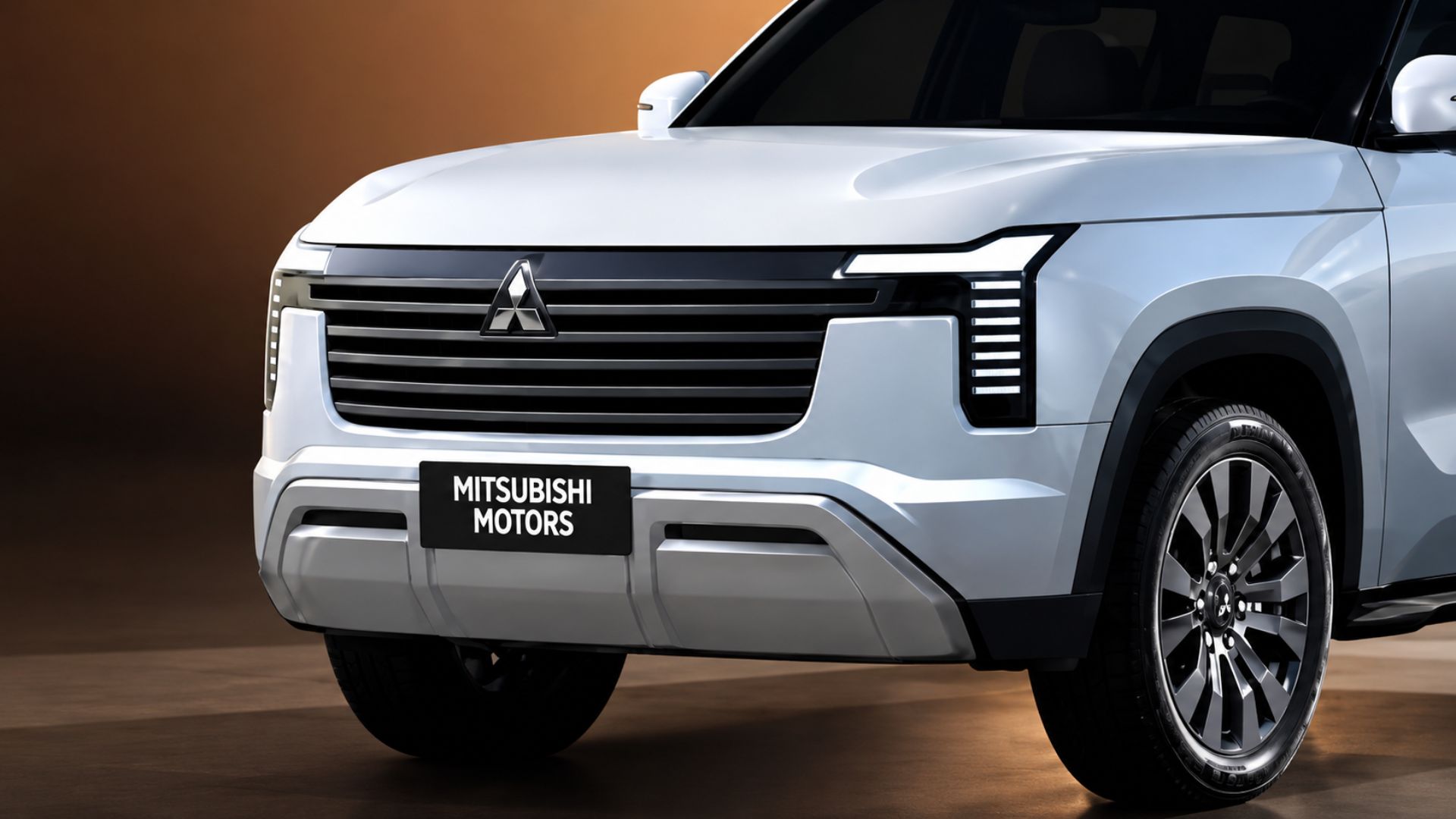
Traditional Mitsubishi name returns to the manufacturer’s global planning, with a 4×4 proposal, technical connection with the Triton, and positioning aimed at markets where off-road capable SUVs still have relevant commercial space.
Mitsubishi confirmed the return of the Pajero, an SUV originally launched in 1982 and also sold as Montero in some markets, such as the United States.
The new generation will be presented in the current fiscal year of the Japanese manufacturer and appears in the global plan that foresees 13 new models in the next six years, focusing on SUVs, pickups, electrified vehicles, and products aimed at off-road use.
The announcement is part of Mitsubishi’s new medium and long-term vision for the 2030s, disclosed by the company itself.
-
Toyota Launches First 100% Electric Car in Brazil: bZ4X with 343 HP, All-Wheel Drive, 361 km Range, Priced at $419,990 BRL, Limited to 99 Units

-
Chinese SUV Achieves 24.4 km/l, Outperforms Toyota Yaris Cross in Real-World Tests with 224 hp Hybrid System, Offers 51-Liter Tank for Greater Range, and Costs Up to R$ 5,000 Less.

-
Uber Black Revamps Fleet, Drops Ten Car Models and Sets Deadline for Electric BYD Dolphin
-
Chinese Giant Uses Metal Structures and Cranes to Deliver Over 700 Electric Cars to Brazil


In this planning, the new Pajero will be one of the representations of the brand’s identity, according to the manufacturer, in a strategy that prioritizes segments in which Mitsubishi claims to have greater competitive experience.
Return of the Pajero gains space in Mitsubishi’s global plan
In the new product cycle, the return of the Pajero occurs amid Mitsubishi’s attempt to reinforce models associated with its historical performance in sport utility vehicles and 4×4 vehicles.
According to the company, investments will be directed to strategic products for the ASEAN region and off-road models, areas considered priorities within the global planning announced for the coming years.
In addition to the new SUV, Mitsubishi reported that it intends to expand its presence in countries such as the Philippines, Vietnam, and Japan, identified by the brand as priority markets.
Regions like the Middle East and Latin America were also mentioned by the manufacturer as areas of high potential, which keeps the Pajero in the context of markets where robust utility vehicles still have demand.
Another aspect of the plan involves activities beyond the sale of new vehicles, including pre-owned, financing, after-sales, parts, and accessories.

With these initiatives, Mitsubishi seeks to increase profitability and better leverage platforms, components, and global partnerships, according to the guidelines presented by the company in its new corporate strategy.
Triton Base Strengthens Off-Road Proposal
The new generation of the Pajero will have a body-on-frame structure, derived from the mid-size pickup Triton, according to information released by the international specialized press.
This architecture is commonly used in pickups and utility vehicles aimed at greater structural resistance, which places the model in a distinct proposal from that adopted by urban crossovers.
Even with the base shared with the Triton, the Pajero is not expected to be just a direct adaptation of the pickup, according to specialized reports on the project.
The published information indicates a unique cabin and suspension developed for the SUV, a solution that would allow specific adjustments for passenger transport and family use, without distancing the model from the 4×4 proposal.
In the teaser released by Mitsubishi, the vehicle appears with a high stance, straight-lined body, and front LED light signature.
The official image does not yet show the complete design of the utility vehicle but anticipates part of the visual language chosen to reposition the Pajero within the brand’s future global lineup.
Strategy Brings Pajero Closer to Toyota Land Cruiser Logic
Mitsubishi has not yet detailed all the commercial developments of the new Pajero, but the international press suggests that the name could be expanded to more than one product.
This strategy is compared by specialized publications to the one used by Toyota with the Land Cruiser family, where different versions and proposals coexist under the same global denomination.
In practice, expanding the Pajero name would allow Mitsubishi to organize a line of vehicles focused on off-road, should this interpretation be confirmed in upcoming official announcements.
So far, however, the manufacturer has confirmed the model’s return but has not detailed how many versions or bodies may use the Pajero or Montero name.
The first Pajero hit the market in 1982 and became one of Mitsubishi’s most well-known models in several countries.
The SUV’s trajectory was also linked to competitions such as the Dakar Rally and markets where all-wheel-drive vehicles maintain commercial relevance.
The previous generation was discontinued in 2021, after nearly four decades of production.
In the United States, where the model was named Montero, sales had ended earlier, although the name remains connected to Mitsubishi’s SUV history.
Engine of the new Pajero has not yet been confirmed


The definitive technical specifications of the new Pajero have not yet been released by Mitsubishi.
The relation with the Triton indicates a base capable of receiving 4×4 systems and mechanical sets used in global markets, but the manufacturer has not confirmed engines, transmissions, or versions for the new generation.
In international markets, the current Triton uses versions with a 2.4 turbodiesel engine.
The adoption of this set in the Pajero has not yet been confirmed, as the choice of engine may vary according to environmental regulations, commercial strategy, and technical availability in each region.
Mitsubishi also plans to expand the presence of hybrids, plug-in hybrids, and electric vehicles within the new global product cycle.
Therefore, an electrified configuration for the Pajero has not been ruled out by the specialized press, although the manufacturer has not yet officially announced this type of engine for the SUV.
Within the plan of 13 launches by the end of March 2032, international publications indicate that there will be five hybrid models and five fully electric ones.
The same cycle should also include vehicles of different profiles, such as SUVs, pickups, minivans, and compacts aimed at specific markets.
Pajero targets markets where 4×4 vehicles still have demand
The inclusion of Latin America among the high-potential regions mentioned by Mitsubishi makes the announcement relevant for Brazilian consumers.
Despite this, the brand has not yet confirmed whether the new generation of the Pajero will be sold in Brazil, nor has it disclosed the timeline, versions, engine, or prices for the national market.
In Brazil, the name Pajero was associated with 4×4 SUVs, larger utility vehicles, and versions derived from the L200/Triton family.
This history helps to contextualize the impact of the model’s return, especially in a market where medium pickups and seven-seater SUVs remain present in the strategies of different manufacturers.
The use of an existing platform also fits the industrial logic adopted by global brands.
By leveraging technical elements from the Triton, Mitsubishi can reduce development costs and shorten project stages, a common practice in SUVs derived from medium pickups.
The company also presented financial goals related to the renewal of the lineup.
According to the disclosed plan, Mitsubishi aims for an operating profit of 160 billion yen in the fiscal year 2029 and, from the fiscal year 2030, intends to reach between 200 billion and 250 billion yen.
The operating margin projected by the manufacturer is equal to or greater than 5.5% during this period.
These figures are part of the company’s medium and long-term strategy and were presented along with the new product plan for the coming years.
New SUV still has pending information
Even with the confirmed return, several details of the new Pajero have not yet been publicly disclosed.
Mitsubishi has not provided information on dimensions, passenger capacity, engines, transmissions, versions, equipment list, countries of sale, or specific forecast for the SUV’s arrival in Latin American markets.
There is also no official confirmation that the name Montero will be used in all markets where the Pajero is present.
In the United States, the specialized press reported that Mitsubishi registered the Montero brand in 2024, but the manufacturer has not yet confirmed a North American version of the new SUV.
The return of the Pajero places Mitsubishi back in a segment linked to the brand’s history with 4×4 vehicles.
The new generation is linked to the Triton’s chassis, the plan of 13 launches, and the possibility of expanding the use of a traditional name in a global family of off-road utilities.





Be the first to react!