






 Portuguese
  Spanish


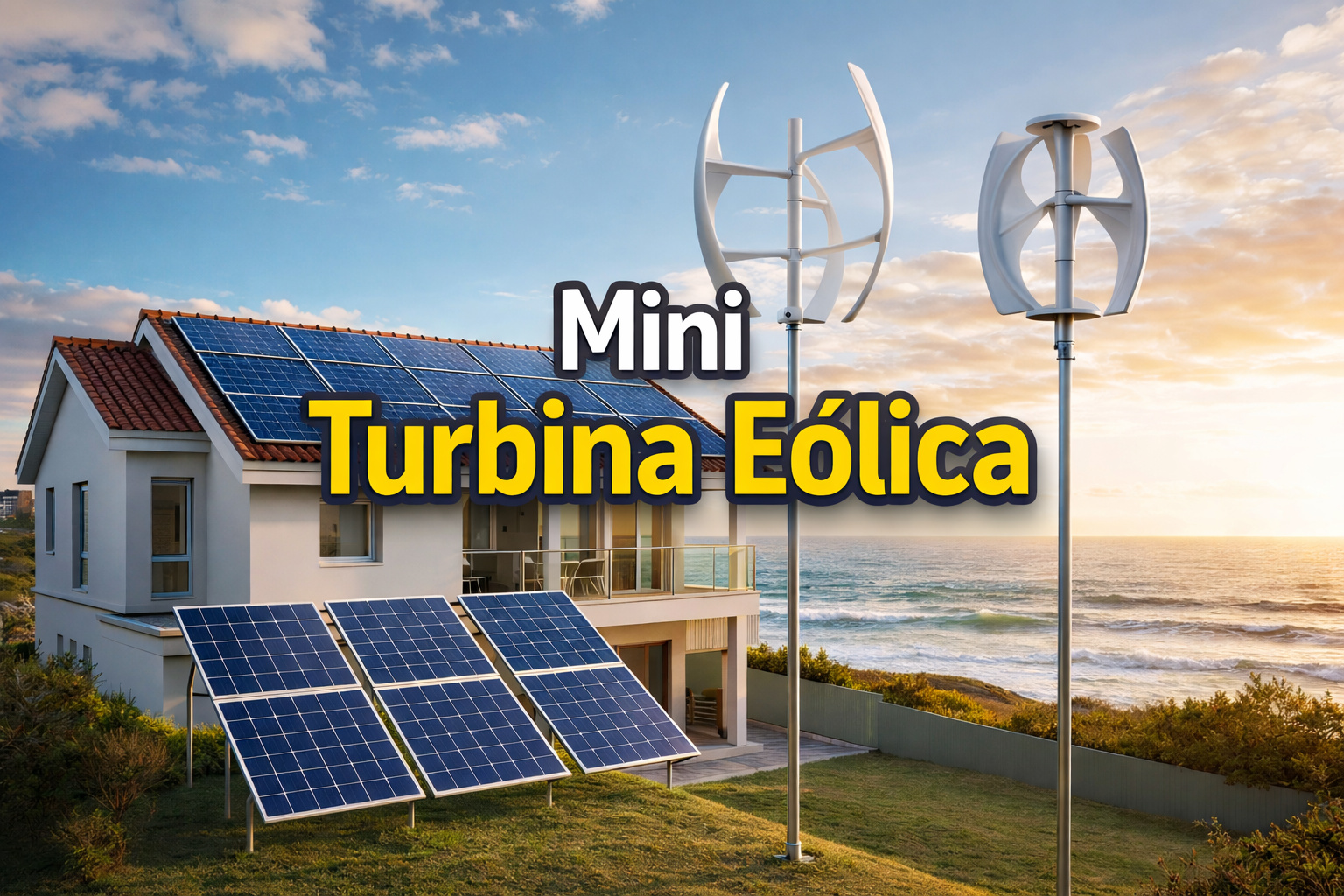
Equipment Promises 24-Hour Energy Generation, but Efficiency Depends on Constant Wind, Location, and Investment That Many People Overlook
With electricity bills getting higher, many people have started looking for alternatives to generate energy at home. After the solar energy boom, a new term began to attract attention: residential mini wind turbines.
In theory, the idea is tempting: harnessing wind to generate energy even at night, something solar panels cannot do. In practice, however, the reality is much more complex — and not everyone benefits from this technology
Residential Mini Wind Turbine: How It Really Works
Residential wind turbines work by converting wind energy into electricity. They can be installed on towers, roofs, or elevated structures and are generally recommended for:
-
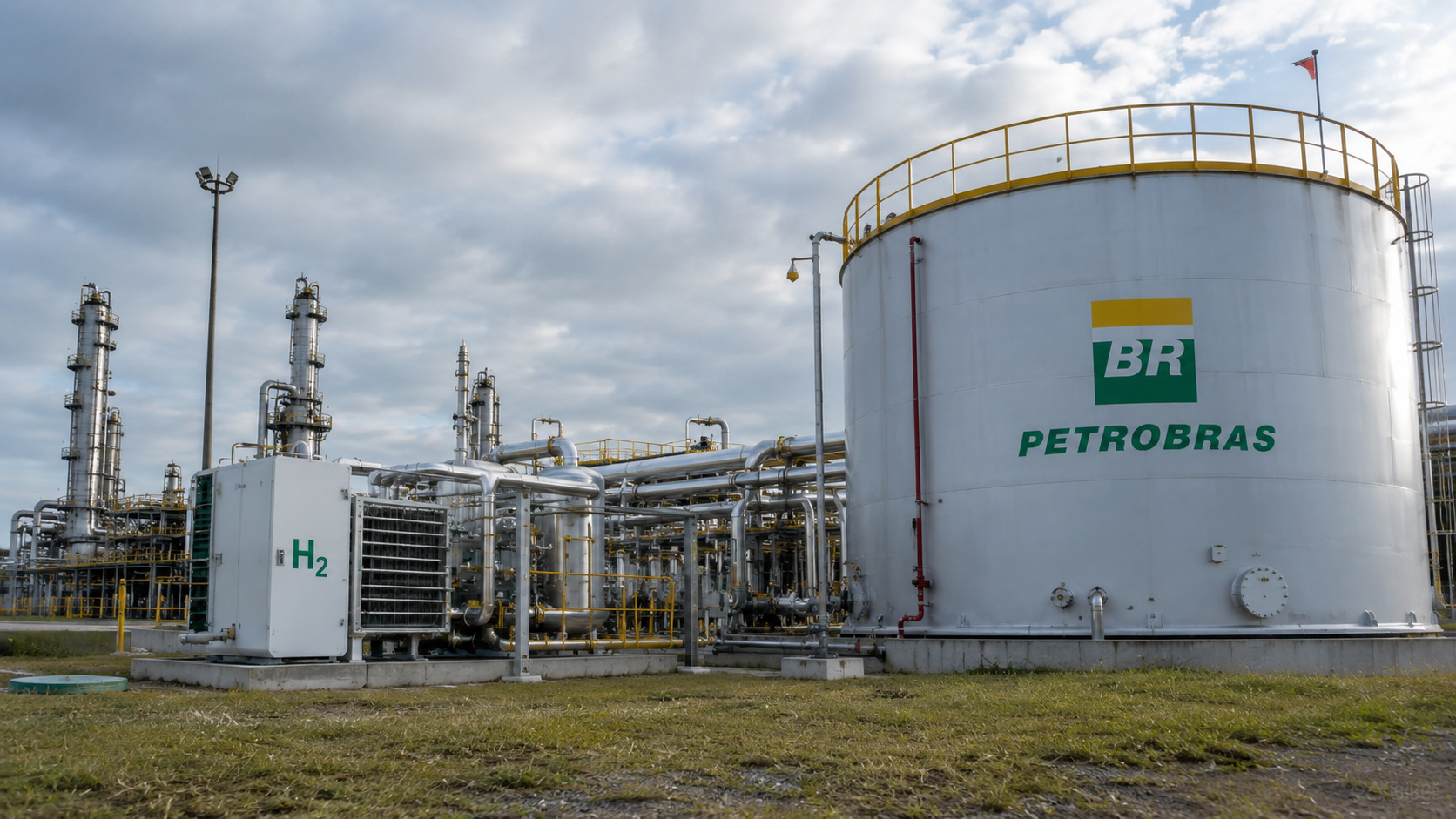
Brazilian scientists are simultaneously advancing two research projects on clean hydrogen and driving solutions that could transform the energy matrix, enhance industrial competitiveness, and accelerate large-scale emission reduction targets.

-
Advancement in renewable energy: A R$ 150 million project launched by Petrobras and Finep aims to create state-of-the-art electrolyzers for green hydrogen, strengthening national research and preparing Brazil to compete in a billion-dollar energy market.
-
Solar energy can increase property value by up to 10% and become a selling point.
-
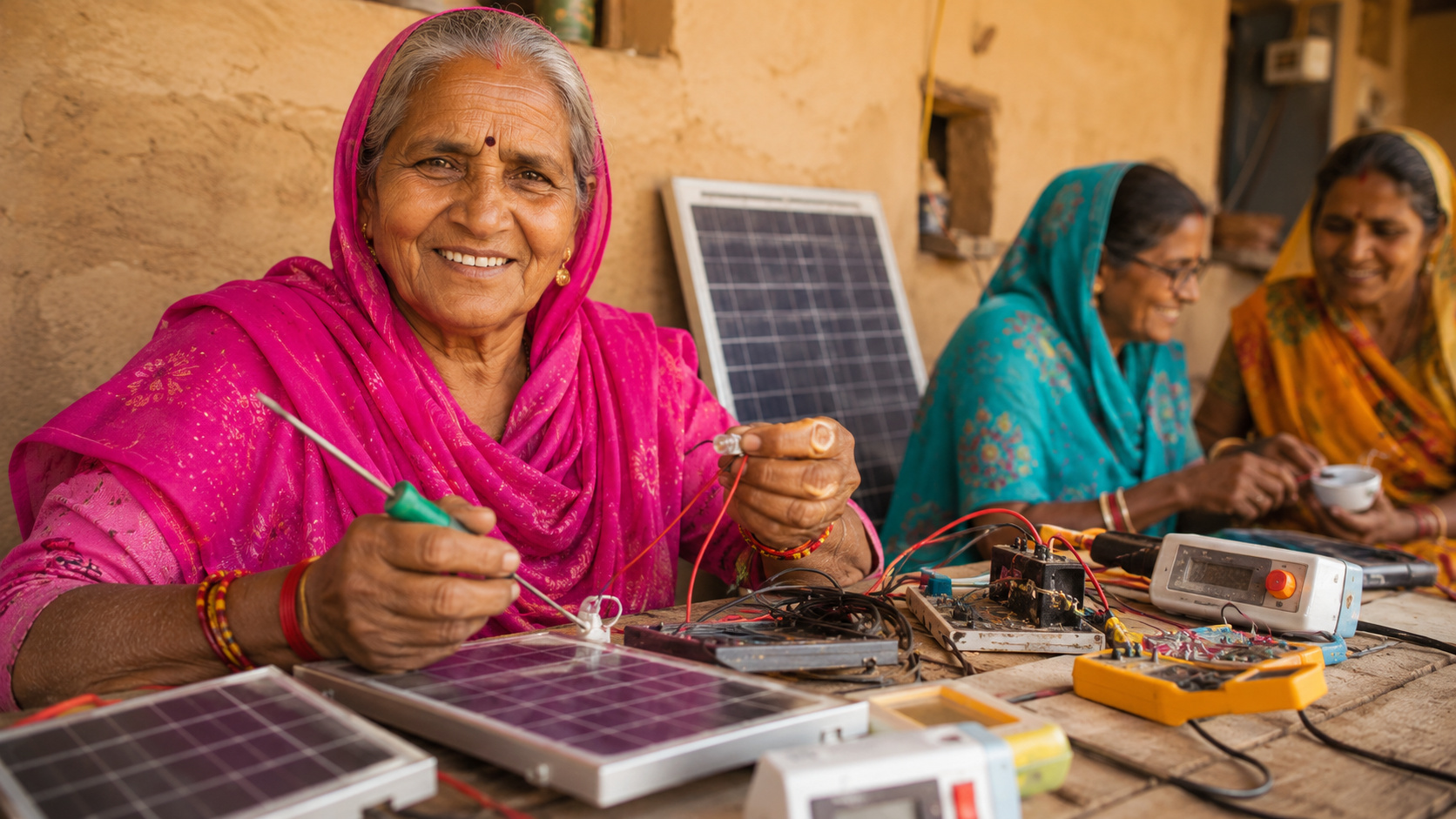
Illiterate or semi-literate grandmothers were trained to repair solar systems, open rural workshops, and light up homes that still depended on kerosene.


- open areas
- coastal regions
- rural areas
- places with constant wind and little blockage (buildings, trees)
Unlike what many advertisements suggest, they do not generate energy all the time everywhere. Without sufficient wind, production drops drastically.

Why the Promise of “24-Hour Energy” Doesn’t Always Happen
The point that almost never appears in advertising is that:
- the advertised power (1,000 W, 3,000 W, 5,000 W) is maximum power, not continuous;
- wind varies throughout the day and year;
- in urban areas, the wind is often turbulent and weak;
- without batteries, the generated energy is not stored.
In other words: it is not a universal solution, nor does it replace the power grid in most cases.
5 Residential Mini Wind Turbines That Stand Out
Below are some popular models mentioned in residential projects, with general characteristics and approximate prices.
Residential Mini Wind Turbines: Power, Cost, and Limitations
| Model / Type | Rated Power | Average Price | Main Recommendation | Limitations |
|---|---|---|---|---|
| Vertical Axis Turbine (VAWT) | 1,000 to 3,000 W | R$ 6,000 to R$ 15,000 | Urban areas with limited space | Low efficiency with weak wind |
| Bornay 600/1500 | up to 1,500 W | R$ 12,000 to R$ 20,000 | Rural and open areas | High cost for little generation |
| Silent Wind Pro | up to 400 W | R$ 6,000 to R$ 10,000 | Boats and specific locations | Does not meet residential demand |
| Flower Turbine | up to 1,000 W | above R$ 15,000 | Architectural projects | More aesthetic than efficient |
| Liam F1 Urban Wind | up to 1,500 W | above R$ 20,000 | Regions with constant wind | Difficult feasibility in Brazil |
⚠️ Prices do not include tower, batteries, inverter, charge controller, and installation.
The Real Cost Goes Far Beyond the Turbine
This is one of the points that generates the most frustration after purchase.
In addition to the turbine, the complete system requires:
- tower or elevated structure
- charge controller
- inverter
- battery bank
- electrical project
- specialized installation
In practice, the final cost can double or even triple the initial disclosed value.
Residential Wind Energy vs. Solar Energy: Which Is More Worth It?
For most Brazilian households, solar energy is still more predictable:
- solar irradiation is more constant than wind;
- clearer financial return;
- greater ease of financing;
- less maintenance complexity.
Residential wind energy tends to work better as a complement, not as a total replacement.
Before Buying, It’s Important to Check the Wind in Your Area
Experts recommend consulting wind maps, such as the Global Wind Atlas, before making any investment. In many cities, the average wind speed is not sufficient to make a residential turbine viable.
Without this caution, the chance of regret is high.
So, Is It Worth Investing in Mini Wind Turbines?
It depends.
✔️ It is worth it if you live in a location with constant wind, open area, and aim to complement generation.
❌ It is not worth it if the expectation is to eliminate the electricity bill in a common urban area.
The promise of clean energy is real — but it only works under specific conditions.
Technology Exists, but It’s Not a Miracle
Residential mini wind turbines are an interesting, sustainable, and functional technology in certain scenarios. The problem arises when they are sold as a simple and universal solution.
Just like with solar energy, there is no shortcut: technical analysis, investment, and realistic expectations are necessary.








Be the first to react!