Portuguese
  Spanish


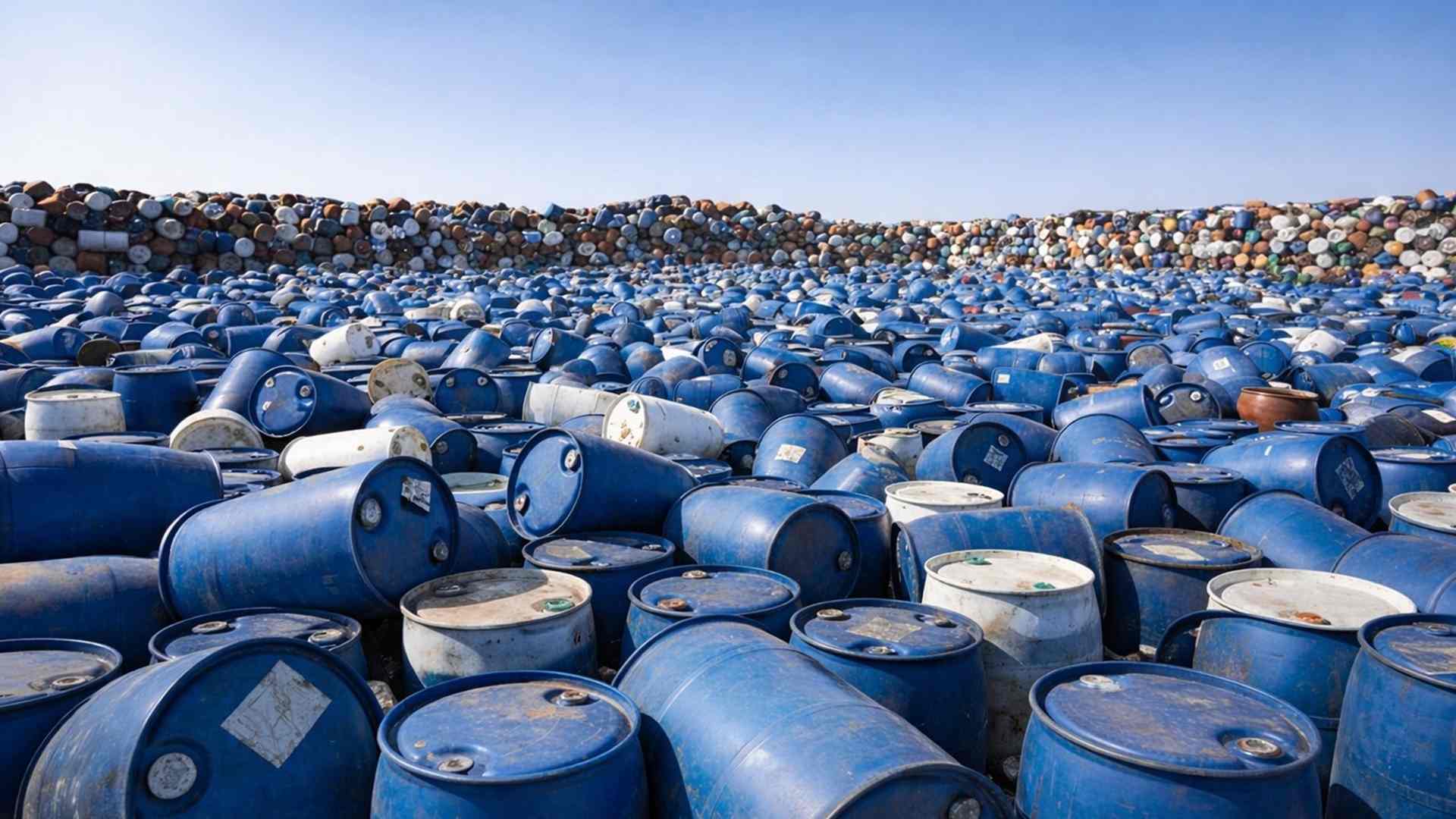


Innovative Aqueous Synthesis Method Developed by Researchers Allows Industrial-Scale Manufacturing of Peptide Drugs Without Toxic Organic Solvents, Drastically Reducing the Generation of Chemical Waste, Which Can Reach 14,000 kg per Kilo Produced, in a Sector Pressured by Accelerated Growth and Stricter Environmental Regulations
Peptide drugs, such as GLP-1 receptor agonists used in the treatment of obesity and diabetes, have become the target of a new water-based manufacturing method that eliminates the use of toxic organic solvents and can avoid up to 14,000 kg of waste per kilo produced, with a direct impact on the pharmaceutical industry.
Peptide Drugs and the Accelerated Market Growth
The world is experiencing rapid expansion of peptide drugs, short chains of amino acids present in treatments for obesity, diabetes, cancer, and rare diseases.
These compounds also appear in agriculture, veterinary medicine, and cosmetics, broadening their presence across different productive sectors.
-
AI Security System in Brazil Aims to Cut False Alarms by Differentiating Pets from Intruders, Enhancing 24/7 Monitoring for Homes and Businesses

-
Archaeologists Discover 1,500-Year-Old Byzantine Mosaic with Greek Biblical Inscription in Israel, Uncover Ruins of 10 Buildings Near Kiryat Gat
-
Ohio Carpenter Finds 308-Gram Meteorite the Size of a Baseball After Dreaming of Its Location

-
Chinese Student Builds Humanoid Robot for $2,100 at Age 20, Now Leads Robotics Startup in China



In 2023, the global market for peptide therapies exceeded € 46 billion. The trend is for continuous growth throughout the decade, primarily driven by GLP-1-based drugs, which have become bestsellers in the pharmaceutical industry.
This advancement, however, occurs in parallel to the proportional increase in industrial demand for chemical synthesis processes, raising the production scale of drugs and consequently the volume of associated waste.
Traditional Drug Production and the Invisible Environmental Problem
The conventional manufacturing of peptides primarily relies on solid-phase synthesis, a consolidated method that is resource-intensive.
The process uses plastic supports, such as polystyrene resins, to which amino acids are added sequentially.
Each step requires large volumes of organic solvents for chemical reactions and intermediate washes.
The result is the generation of tons of toxic waste, much of which is non-biodegradable and whose management is complex and costly for the drug industry.
With the increase in global production, this model has begun to directly conflict with stricter environmental regulations, placing pressure on a sector that is growing at an accelerated pace.
Water as a Real Alternative in Drug Manufacturing
The substitution of organic solvents with water has always been considered desirable but technically unfeasible. Fmoc-protected amino acids, essential in peptide synthesis, do not dissolve in water, preventing efficient chemical reactions.
This limitation has kept the industry dependent on solvents like dimethylformamide, which are effective from a chemical standpoint but toxic to the environment and human health. Change occurred when researchers demonstrated that these amino acids could become soluble in water through the formation of ionic pairs with specific salts.
This chemical adjustment allowed the fundamental building blocks of drugs to react in a stable aqueous medium, structurally altering the production process, not merely in a cosmetic way.
New Aqueous Synthesis and Elimination of Toxic Solvents
With the amino acids soluble in water, the system began to use activating agents compatible with aqueous media and a new hydrophilic and biodegradable solid support. This support replaces the traditional plastic resins used in the production of peptide drugs.
The result was a clean, stable synthesis without unwanted secondary reactions. Complex peptides were produced with purity and yield equal to or greater than conventional methods, without any use of toxic organic solvents, consolidating the industrial viability of the approach.
Industrial Scale and Automation in Drug Production
The developed method has surpassed the experimental phase and demonstrated compatibility with automation, an essential requirement for its adoption in pharmaceutical factories. This characteristic allows for the direct transfer of technology from the laboratory to real industrial environments.
The aqueous synthesis showed competitive performance even in large-scale production scenarios, indicating that peptide drugs can be manufactured with lower environmental impact without loss of efficiency or quality.
Environmental Pressure and Numbers That Reinforce Urgency
The production of just 1 kg of a GLP-1-based peptide drug can require up to 14,000 kg of organic solvents. In comparison, a small molecule drug typically uses about 300 kg of solvent per kilo of final product.
With annual production already measured in several tons, this category of drugs generates tens of millions of kilos of toxic waste per year. This volume amplifies the regulatory challenge in regions such as Europe and the United States, which are reinforcing sustainable chemistry policies.
Rethinking the Manufacturing of Future Drugs
The structural replacement of toxic solvents with water reduces waste, simplifies environmental management, and decreases costs associated with waste treatment. It also makes the pharmaceutical industry more resilient to future legal and environmental restrictions.
For companies, the new method represents cleaner and more predictable processes. For technical teams, safer working environments. For patients, drugs with a lower environmental impact, a factor that is beginning to gain relevance in the public perception of medical innovation.
Environmental Impact and Circular Economy
The widespread adoption of aqueous synthesis can drastically reduce hazardous chemical waste, decrease spill risks, and cut emissions associated with the production and transport of solvents. The use of biodegradable supports also brings the manufacturing of drugs closer to the principles of the circular economy.
With fewer hazardous substances circulating invisibly, the method points toward a structural change in how drugs are produced, responding to an environmental emergency that was previously less visible but is now quantified in concrete numbers.
Source pursuit.unimelb.edu.au