





 Portuguese
  English
  Spanish
  2 min of reading
  0 comments


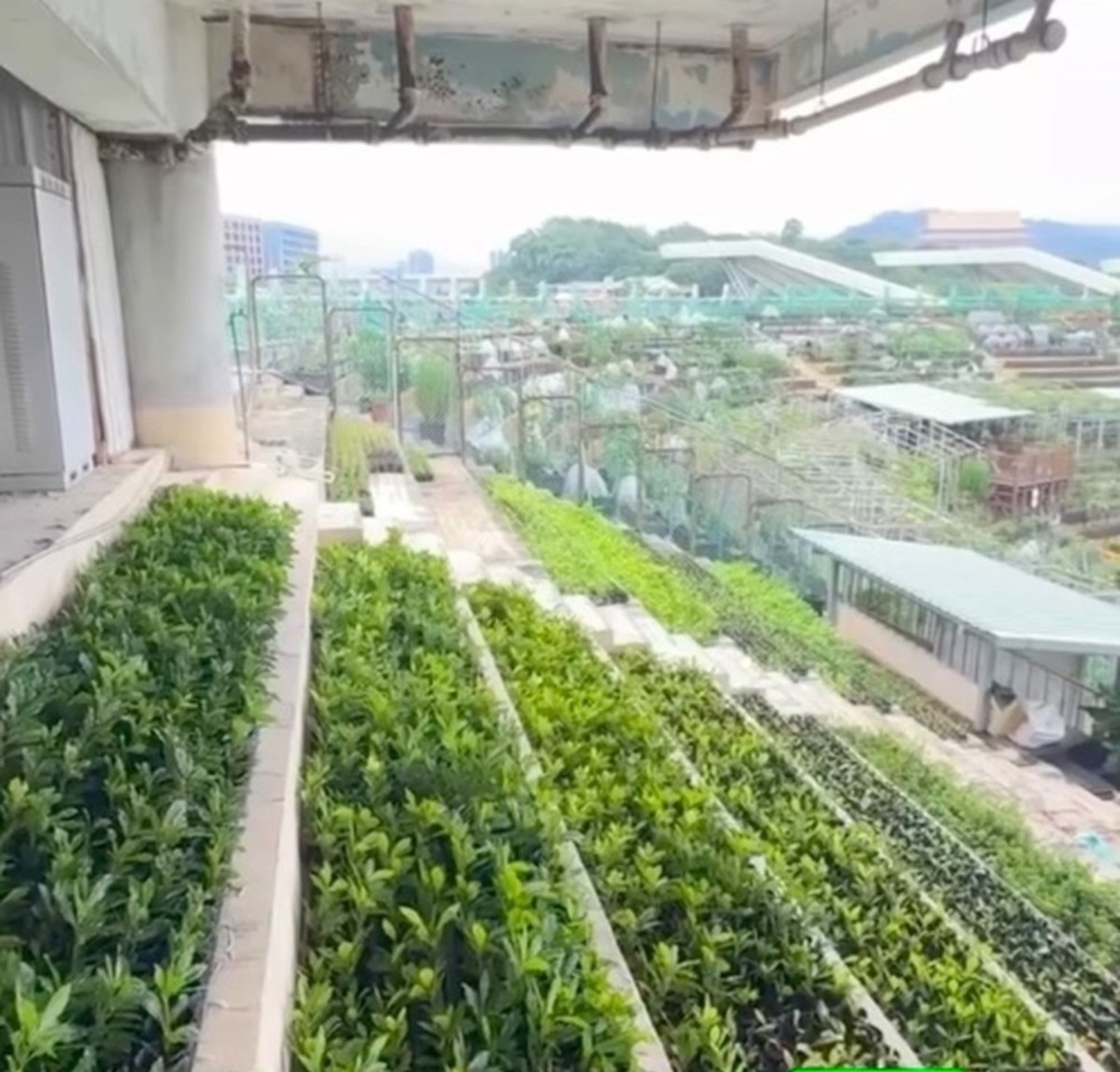
The Transformation of the Old Taipei Stadium into a Community Garden Shows How Forgotten Spaces Can Gain a New Purpose, Bringing Together Residents, Encouraging Urban Farming, and Strengthening the Relationship Between City, Environment, and Local Food in a Simple and Accessible Way
The Taipei City Government decided to give new use to an abandoned stadium because it sought to reclaim a space that no longer held sports activities. The site, which served as a baseball and later football field in the 1980s, has become an environment dominated by greenery.
The change gained attention after a video published on Instagram by James Stewart.
The images, taken by Piet, show how the transformation directly affects those who live in the area.
History of the Stadium
The space, known as Zhongshan Soccer Stadium, Chungshan Soccer Stadium, or Taipei Soccer Stadium, was closed in 2008.
-
Thousands of circular craters on the seafloor have always been attributed to methane leaks, but recent studies show that many have very different origins, from dolphins hunting fish to sediment slides and the melting of ice ages.

-
Informally nicknamed the Death Star due to its size and firepower, the Russian nuclear cruiser Admiral Nakhimov has entered the final phase of sea trials and is nearing its return to service, after more than a decade of modernization that could make it one of the most heavily armed warships in the world.
-
Couple leaves the city to live in the countryside, cultivates a pesticide-free garden and sees cabbages, kale, and broccoli destroyed by an unexpected attack, but decides to uproot everything, replant seedlings, and start over with the help of the rain in their new rural dream.

-
Billion-year-old rocks underground may hide one of the largest sources of clean energy on Earth, natural hydrogen, a gas that forms when water reacts with iron-rich minerals and that, according to the US Geological Survey, could supply the world’s demand for up to 200 years.




Therefore, instead of being demolished, it received a new role and began functioning as a large garden where families grow food.
Farming by the Residents
Between 80 and 100 plots were organized inside the structure. They range from 1 to 3 m². Additionally, all are managed by residents who use the space to plant what they consume.
To prevent damage to the old building, most of the gardens operate in pots. This choice reduces the weight on the soil and keeps the structure safe.
The community garden also has trellised paths that provide shade and help create cooler areas. These corridors make the environment comfortable and facilitate visitor circulation.
The city government also promotes activities that teach seasonal farming. The idea is to encourage new “citizen farmers,” strengthening the community’s relationship with their own food.
Greater City Goal in Transforming the Abandoned Stadium
The project is part of the local strategy to stimulate urban microagriculture. In addition, it reinforces the city’s commitment to transforming forgotten areas into useful and community-oriented spaces, bringing more people closer to the environment.
With information from Casa e Jardim.






-

-

3 people reacted to this.