Portuguese
  Spanish


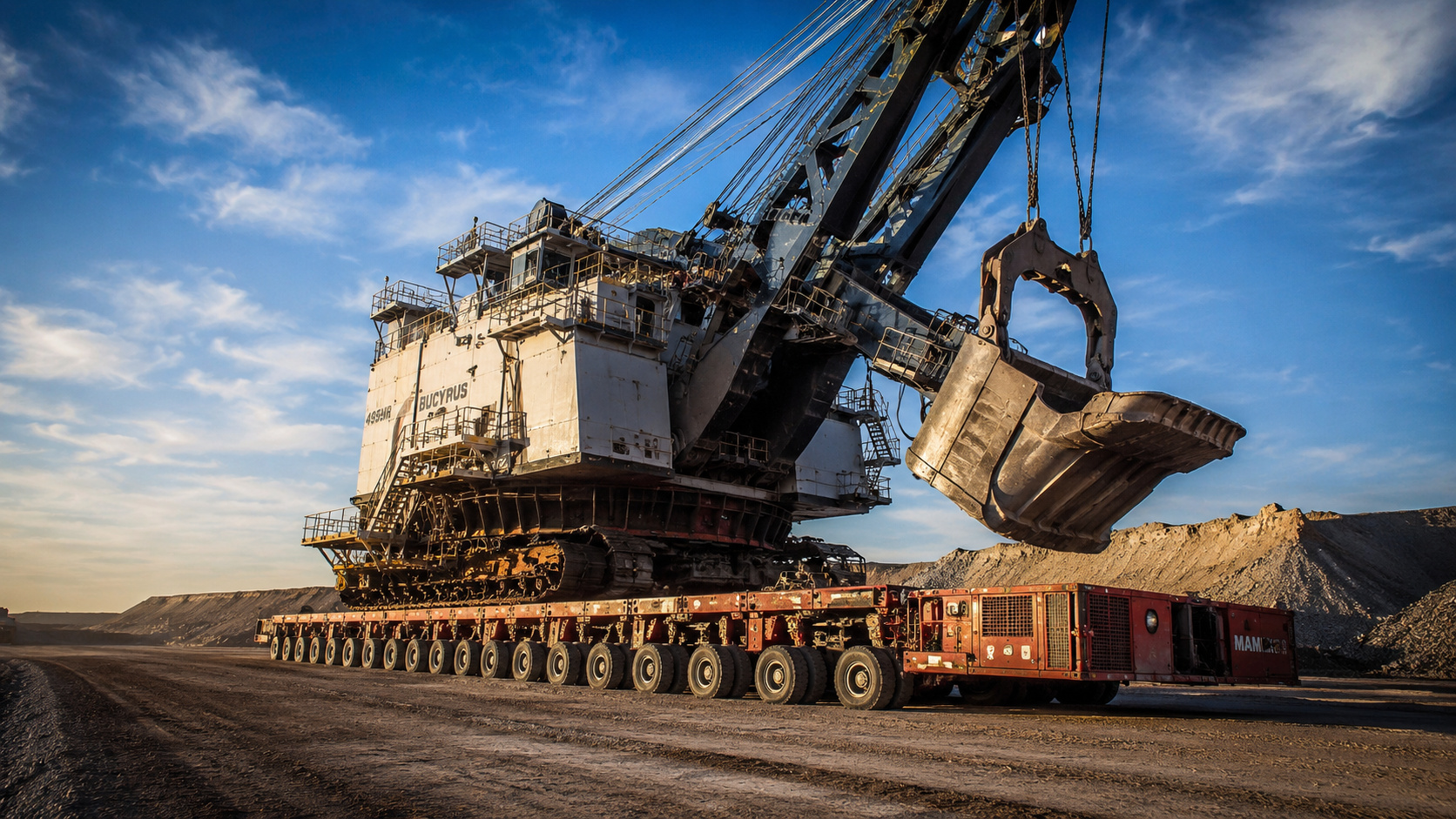

Heavy cargo transport in Queensland showed how a 3,000-ton dragline excavator can be too large even to move on its own, requiring special platforms, route planning, and deadline control to avoid wear, delays, and risk at railway, highway, river, and power line crossings
The giant 3,000-ton machine could walk, but it shouldn’t do so for nearly 100 km. In Australia, a dragline excavator needed to be transported whole between mines in Queensland to avoid heavy wear on its own components.
The information was released by Mammoet, a heavy transport and lifting engineering company. The operation involved heavy cargo transport, route study, and the use of special platforms capable of supporting a structure the size of an industrial building.
The most curious detail is simple to understand: the dragline could move on its own, but this movement would be slow, difficult, and aggressive to the machine itself. Instead of saving work, the walk could cause significant wear and delay the equipment’s return to mining.
-
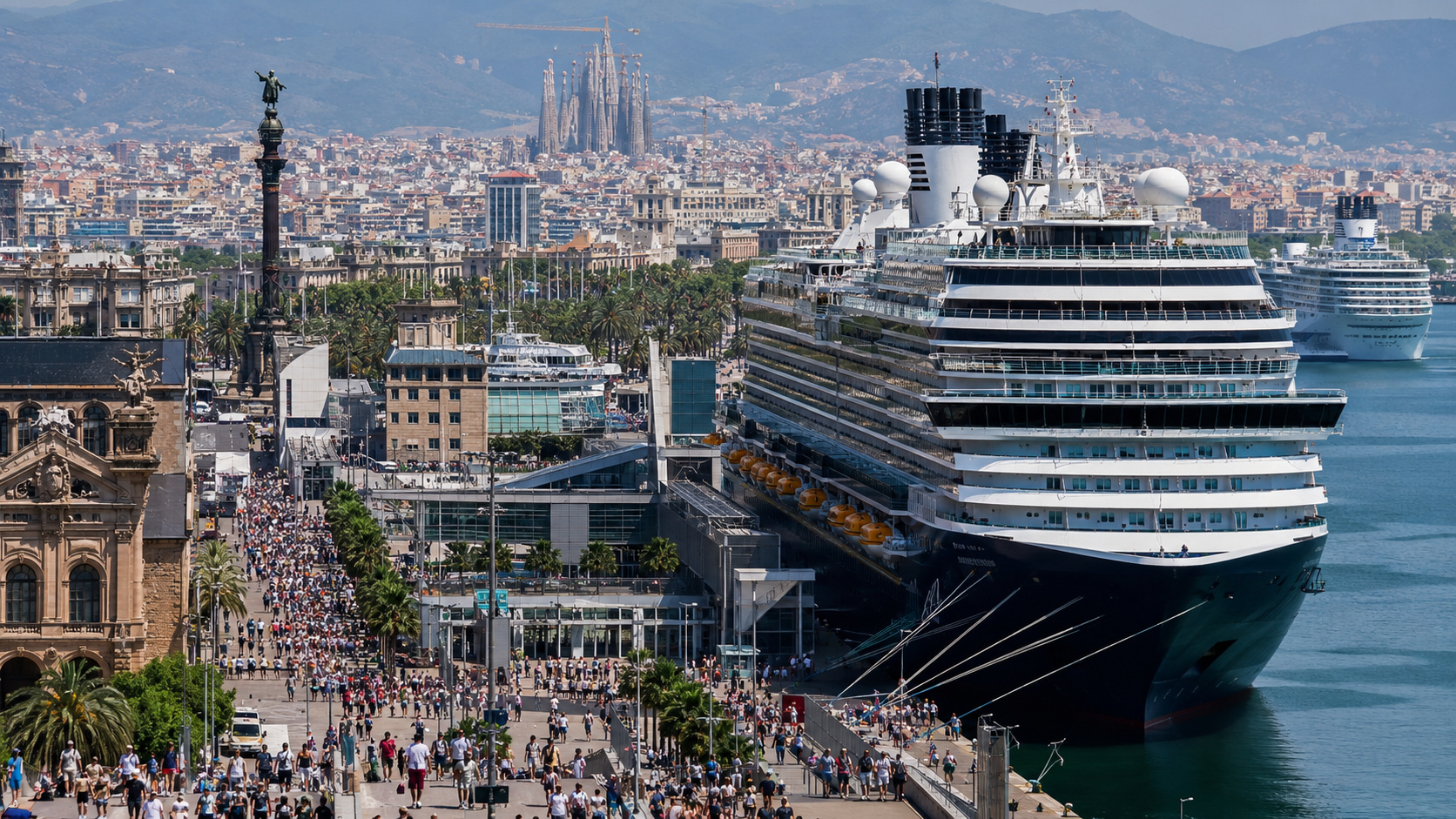
While many ports want to grow, Barcelona has decided to do the opposite and will cut cruise terminals from 7 to 5 after pressure from residents, protests, and crowds.

-
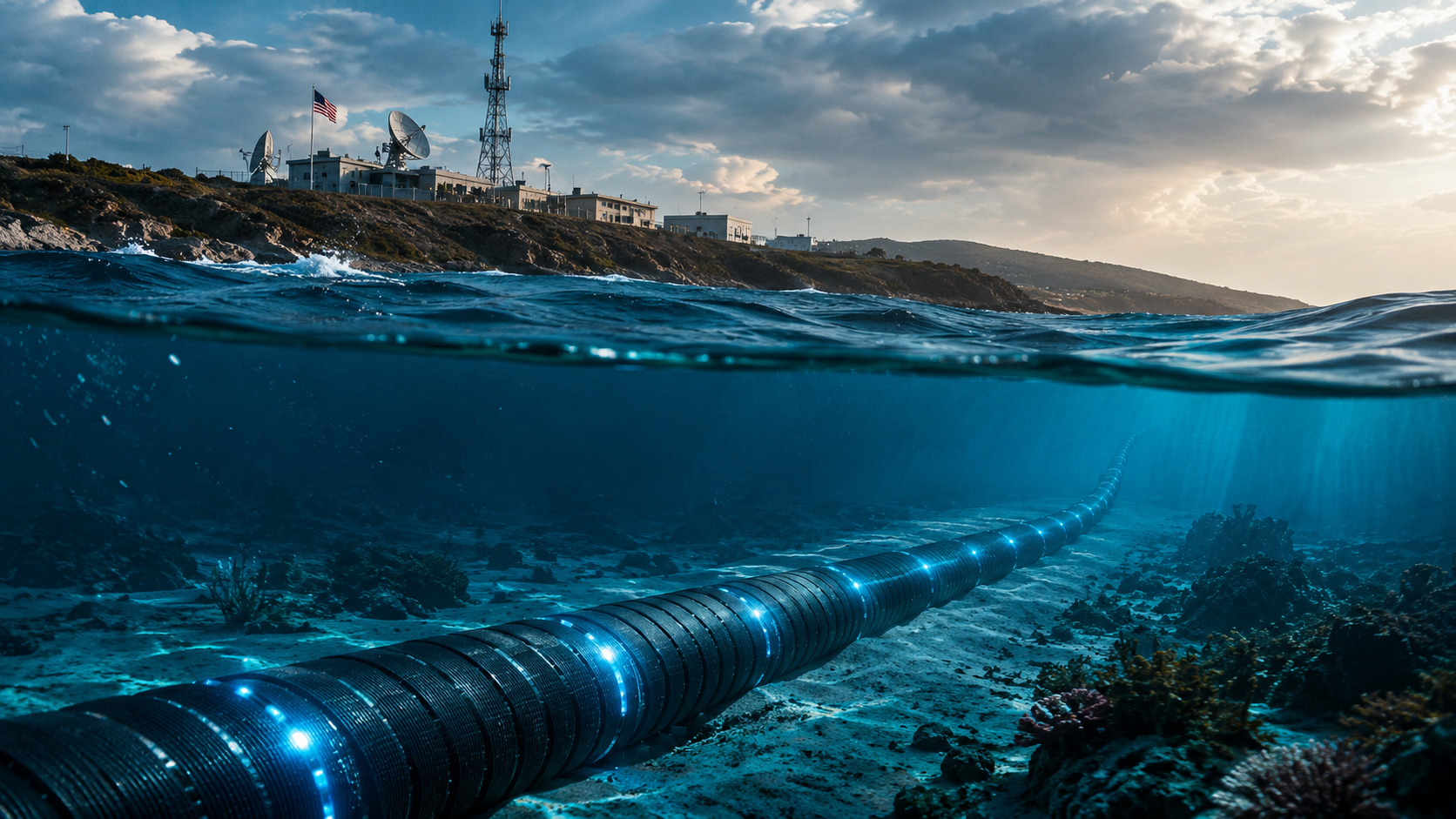
The United States wants to tighten control over submarine cables that carry 99% of international internet, silently cross oceans, total more than 400 routes worldwide, and have become a strategic piece in the competition for data, technology, and suppliers.
-
European Union looks again at Brazilian seafood after a nearly 8-year ban and may unlock a coveted market for lobster, tuna, tilapia, and shrimp.
-
Voltalia secures 322 MW of electrical connection in Pecém and targets data centers with renewable energy, robust network, and dedicated wind projects in Ceará.

Dragline excavator is a huge machine used to remove earth and material in mines
The dragline excavator is a mining machine designed to dig and remove large amounts of earth, rock, and accumulated material. It uses cables, a long boom, and a heavy bucket to reach large areas without needing to change position all the time.


In practice, it does not work like a common urban construction excavator. Its size is much larger, its weight is much higher, and its movements need to be slow to avoid straining the structure.
Therefore, even when it can move, the dragline was not made to travel long distances. Taking a 3,000-ton machine for nearly 100 km required a safer solution than letting the equipment walk on its own.
Walking for almost 100 km could cause heavy wear on the machine itself
The central point of the operation is at the limit between capacity and common sense. The machine could move, but each step would require enormous effort from the components that support and move the dragline.
In a short trip within the mine itself, this movement might make sense. On a route of almost 100 km, the situation changes completely, because the wear is no longer small and starts to threaten the lifespan of important parts.
Moreover, the walk would be slow. This could prevent taking advantage of already scheduled stoppages in railway networks, necessary to cross critical infrastructure areas. The problem was not just moving the machine, but moving the machine at the right time.
Special transporters carried the entire dragline in an unprecedented operation in Australia
Mammoet, heavy transport and lifting engineering company, detailed the use of self-propelled modular transporters to load, move, and unload the entire dragline. These transporters are platforms with many wheels, designed to distribute the weight of giant loads.
The idea was to move the machine fully assembled. This avoided long disassembly and helped reduce downtime of vital mining equipment.
The challenge was enormous, because this type of transport of an entire dragline had not been done before in Australia. The reference used came from an operation carried out in 2013 in the United States, when the travel time was reduced from more than 30 days to 12 days.
To place the dragline on the platforms, 12 lifting jacks of 600 tons were used. The machine was lifted up to 2.5 meters high and positioned on 140 axle lines, which function like many sets of wheels working together.
The route had rivers, railways, highways, and power lines in the way
Before the transport began, the route had to be carefully studied. The path had inclines of up to 10%, in addition to crossing 7 rivers and streams, 15 power lines, 3 railways, and 2 highways.
These numbers show why it wasn’t enough to just start the machine and go. Each section required calculation, authorization, and preparation, especially at points where the dragline needed to cross structures used by other operations.
The deadline was also part of the challenge. The dates to cross power lines and railways were already set. If the team missed these windows, the delivery could suffer significant delay.
Even with so many obstacles, the operation reduced the pure travel time by 44%. This represented a saving of 22 days within a 50-day plan.
Heavy rain almost compromised the most critical railway crossing
A week before the first railway crossing, the operation suffered a heavy delay. The local ground preparation failed due to extreme rain, which caused a 5-day delay.
The problem was serious because there was only a 24-hour window per month to cross the railway. Missing this period could push the dragline delivery by one month.
The solution was to speed up the final stretch. The team worked extra shifts to cover the remaining 20 km at record pace and managed to cross the railways within the planned timeframe.

After that, the transport maintained an average of 5 km per day. The dragline arrived at the destination safely and ready to return to work before the agreed deadline.
The operation shows why heavy logistics can be worth more than brute force
The case of the dragline in Queensland shows that, with giant machines, moving is not just about getting from one point to another. The transport needs to protect the machine, preserve productivity, and avoid delays at critical crossings.
The 3,000-ton excavator could walk, but carrying it was the most efficient choice. The decision avoided wear and tear, shortened travel time, and reduced the risk of missing important windows at railways and power lines.
In the end, the operation showed that a machine made for mining can also become an engineering challenge when it needs to move. The larger the equipment, the more important it becomes to plan every meter of the journey.
Do you find it more impressive that the dragline can walk on its own or the fact that it was so heavy it needed to be carried to avoid wear and tear along the way?