Portuguese
  Spanish


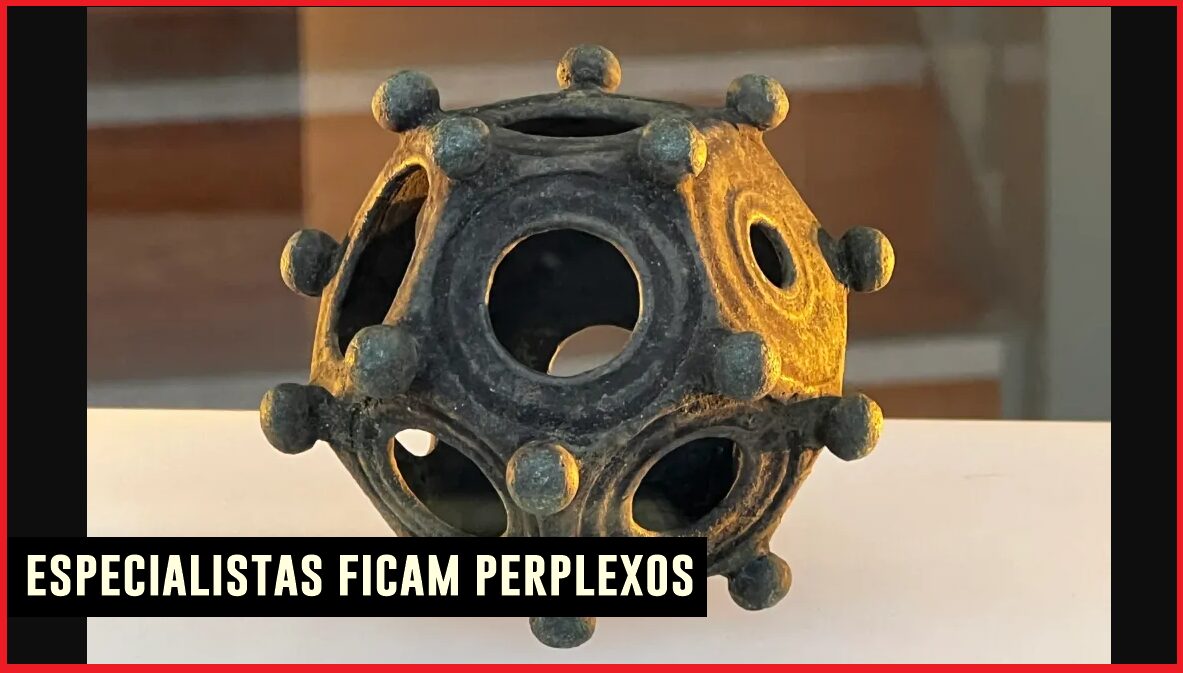

Archaeological Enigma: Roman Dodecahedron Discovered in Great Britain Leaves Experts Without Answers About Its Origin and Purpose. Learn More About This Incredible Historical Discovery!
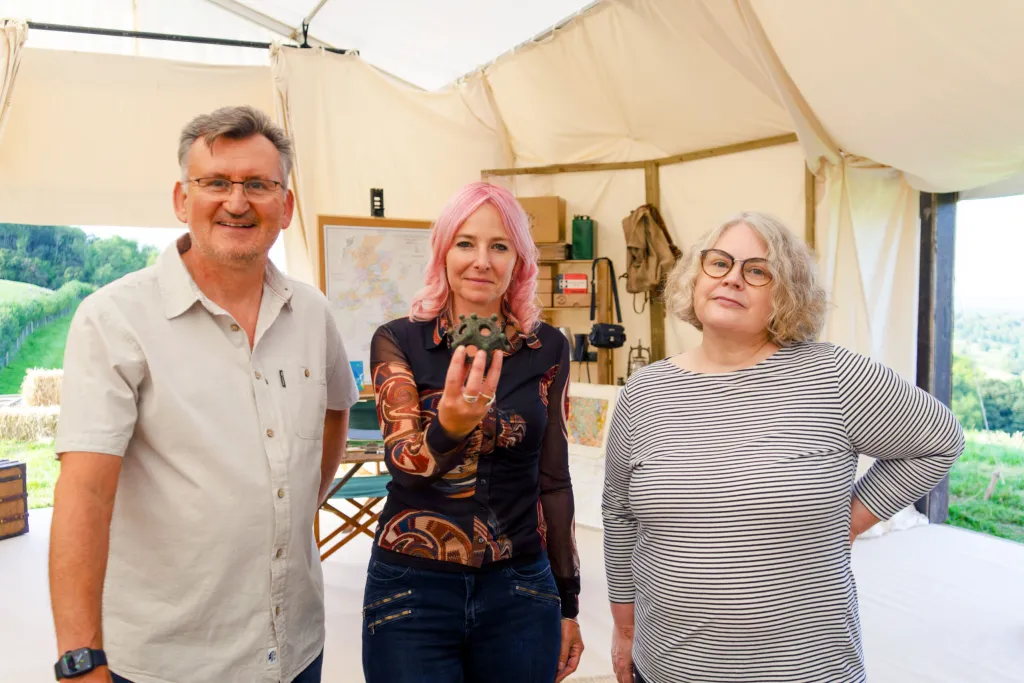
In the quiet rural area of Norton Disney, England, a group of amateur archaeologists made an intriguing discovery: a Roman dodecahedron, a mysterious object that has fascinated experts for decades.
This discovery, made by the Norton Disney History and Archaeology Group, adds a new chapter to the enigma of these ancient artifacts. Although more than 130 dodecaehdrons have been found in Europe, only 33 have been discovered in Great Britain, making this find particularly remarkable.
Roman dodecahedrons, made of copper alloy and measuring approximately the size of a grapefruit, have 12 pentagonal faces, each with circular openings of varying sizes and small pegs at the corners.
-
Human Waste in Kenya is Solar-Treated and Turned into Fuel Briquettes, Tackling Open Sewage, Charcoal Use, and Deforestation

-
Bolivian Teen Builds Functional Robots from Scrap Materials in High-Altitude Rural Town
-
Student Creates 3D-Printed Prosthetics from Recycled Plastic, Turning Waste into Affordable Custom Arms
-
Climate Scientist Who “Proved” Humanity Is Warming the Earth




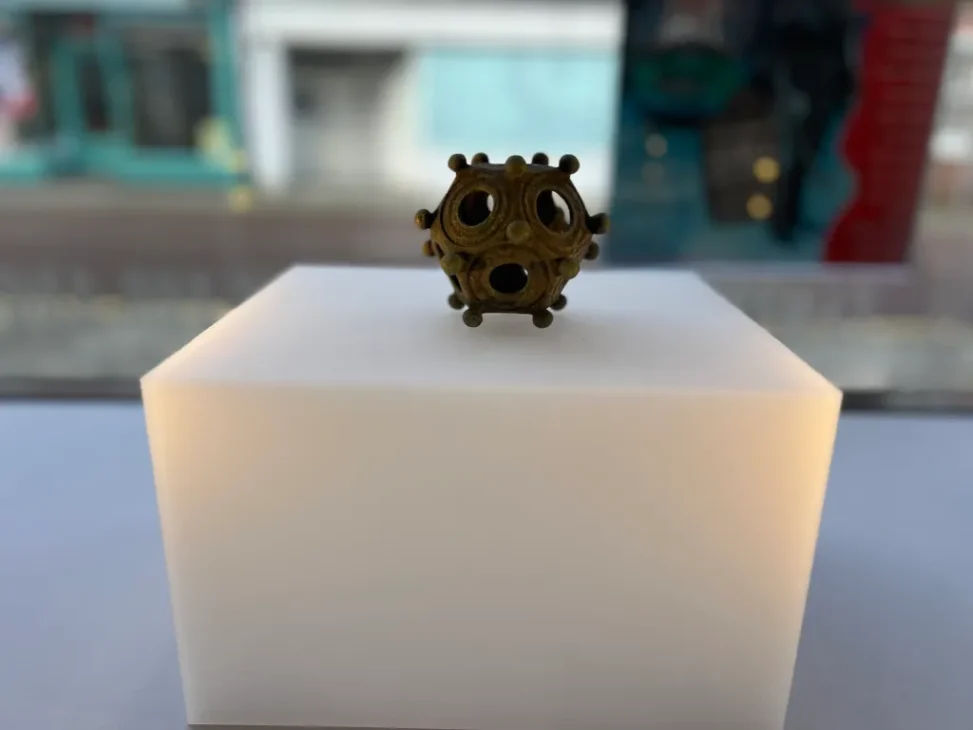
This specific artifact, found in excellent condition, is slightly larger than the others already unearthed, although all fit in the palm of the hand. However, despite its unique physical characteristics, the exact purpose of these objects remains a mystery.
Unique Discovery
Richard Parker, secretary of the Norton Disney History and Archaeology Group, described the find as “the discovery of a lifetime.” The group, composed of volunteers using metal detectors in search of Roman coins, found the dodecahedron while exploring the local soil.
The object, dated to around 1,700 years ago, was intact and free of damage, which is rare among dodecahedrons that have been found, many of which were discovered fragmented or corroded by time.
The discovery, which is now on display at the National Civil War Centre in Newark, has already attracted over 15,000 curious visitors. Jenny Gleadell, responsible for exhibitions at the Lincoln Museum, noted that the mystery surrounding the object is what captivates the public. “People are intrigued because we simply don’t know what it is,” Gleadell told the BBC. This mystery has been a major draw for the dodecahedron, which has become one of the museum’s most visited objects.
Theories About the Use of the Dodecahedron
Over the years, many theories have been proposed to explain the function of these dodecahedrons. Some suggest they were used in religious rituals, perhaps connected to astrology or as talismans to ward off evil spirits.
Others believe these objects served more practical purposes, such as knitting, weaving, or even measuring distances. However, none of these hypotheses have been conclusively proven, and the absence of historical references makes the enigma even more challenging.
Dodecahedrons are found throughout Europe, most dating from the first century CE, but the lack of documents or visual records from Antiquity related to them leaves experts perplexed.
The theory that the objects were used to measure distances has been widely rejected due to the lack of standardization among the found dodecahedrons, but this does not completely rule out the possibility that they had some unknown utilitarian use.
A Ritual or Decorative Artifact?
In a blog post, the Norton Disney History and Archaeology Group raised the hypothesis that the dodecahedron could have been used in religious practices. “A tremendous amount of time, energy, and skill was spent creating our dodecahedron, so it was not used for mundane purposes, especially when alternative materials were available to achieve the same purpose. The most likely use we think is for ritual and religious purposes,” they wrote.
Roman society was deeply superstitious, and the theory that the dodecahedron was related to local religious practices is a possibility that the group continues to investigate. However, with so few intact examples and no ancient documentation available, the mystery remains.
The discovery of the Roman dodecahedron in Norton Disney was featured on the popular television show “Digging for Britain.” Professor Alice Roberts, the show’s host, described the object as “one of the largest and most mysterious archaeological objects” she has ever examined. The media coverage further increased public interest, boosting visitor numbers at the museum.