Portuguese
  Spanish


High school sophomores in Salvador create a Lego boat to clean the oceans. The sustainable project avoids fossil fuels and helps the environment.
A technological solution created by young students from Salvador, Bahia, emerges as an alternative to mitigate the environmental impact caused by the disposal of plastic waste on the Brazilian coast.
Under the supervision of Professor Alex Fonseca and Professor Sâmara Azevedo, students Guilherme Oliveira, Laís Barreto, Vitória Barreto, and Yasmym Andrade presented a prototype of a Lego boat designed to assist in beach cleaning.
The equipment was developed within the robotics laboratory of the State Center for Education, Innovation, and Training of Bahia Mãe Stella, in the Cabula neighborhood.
-
Steam Machine Converts All Types of Plastic Waste into Durable Building Blocks, Processes Over 90 Tons Monthly, and Is Sold to Municipalities

-
John Deere’s Autonomous 9RX Tractor Uses 16 Cameras for 360-Degree Vision, Operates in Short Weather Windows While Monitored by Smartphone

-
Scientists Develop Needle-Free Insulin That Penetrates Skin, Reduces Glucose in Animals Within an Hour, Paving the Way for Diabetes Patches and Creams for Humans

-
After 40 Years of Research, Powdered Coconut Water to Be Produced in Brazilian Biorefinery, Aiming to Revolutionize Health for Children, Elderly, and Hospital Patients


The initiative gains urgency in light of alarming data from 2024, which places Brazil as the eighth largest marine polluter in the world, discarding about 1.3 million tons of plastic annually.
Lego boat: Sustainable engineering against fossil fuels
The major differentiator of the project lies in its energy matrix and operational model. Unlike conventional vessels, the mechanism created by the young Bahian scientists prioritizes the preservation of the ozone layer and avoids the emission of pollutants.
As explained by students Vitória and Yasmym, the intention was to create a programmed machine that did not rely on internal combustion engines.
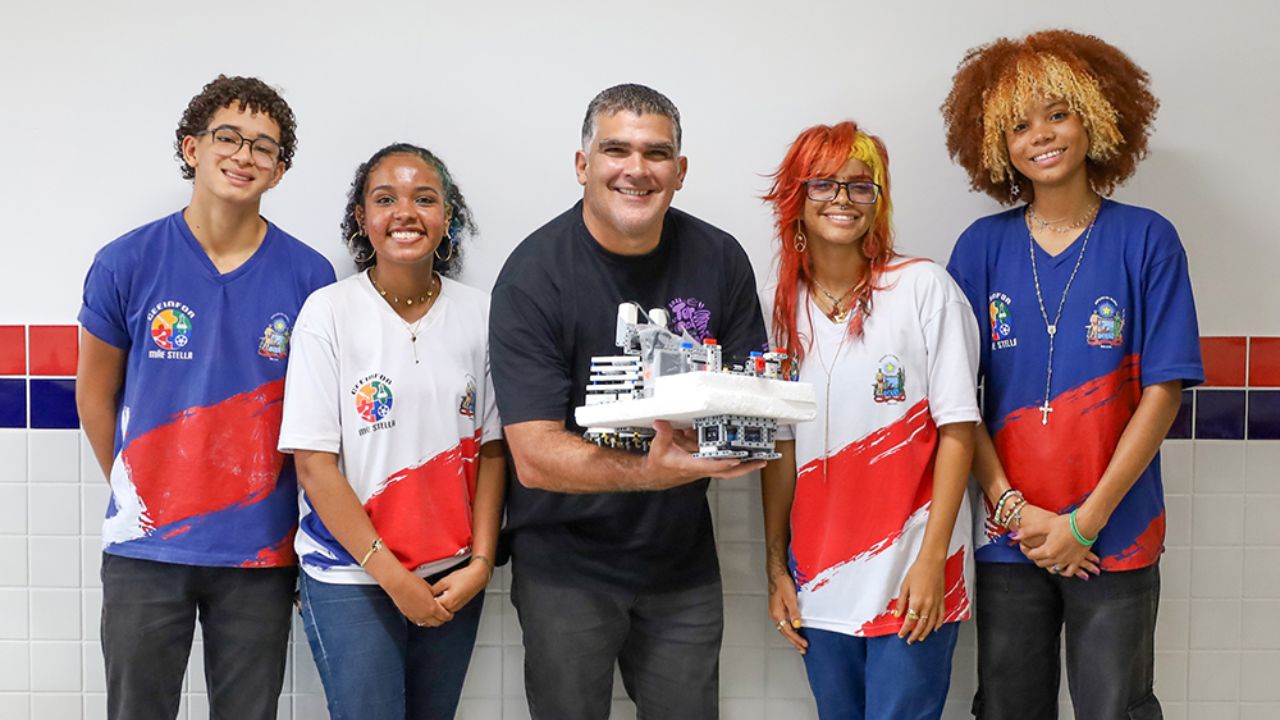
“Besides being developed by high school sophomores, our project is sustainable because it does not operate like a machine with an engine that needs to be fueled by fossil fuels, but rather a machine that will be programmed, avoiding engines that release smoke and harm the ozone layer,” affirm the researchers, who have already expressed interest in patenting the invention in the future.
Additionally, the choice to use the Lego Technic line allowed for a modular and efficient construction. Professor Alex Fonseca highlights that the use of these specific components was a strategic decision based on the pedagogical infrastructure that the school already offers in its specialized laboratory.
The Role of the More Science in School Program
The development of this lego boat by the students is the result of a broad network of institutional cooperation. The laboratory where the prototype was born is the first of a total of 180 units planned by the More Science in School Program.
This strategic action is made possible by a partnership between the Federal and State Governments, involving the following bodies:
- Ministry of Science, Technology and Innovation (MCTI);
- Secretariats of Science, Technology and Innovation (Secti) and Education (SEC) of Bahia;
- Foundation for Research Support of Bahia (Fapesb);
- Federal Institute of Bahia (Ifba) and Gonçalo Moniz Institute (Fiocruz Bahia).
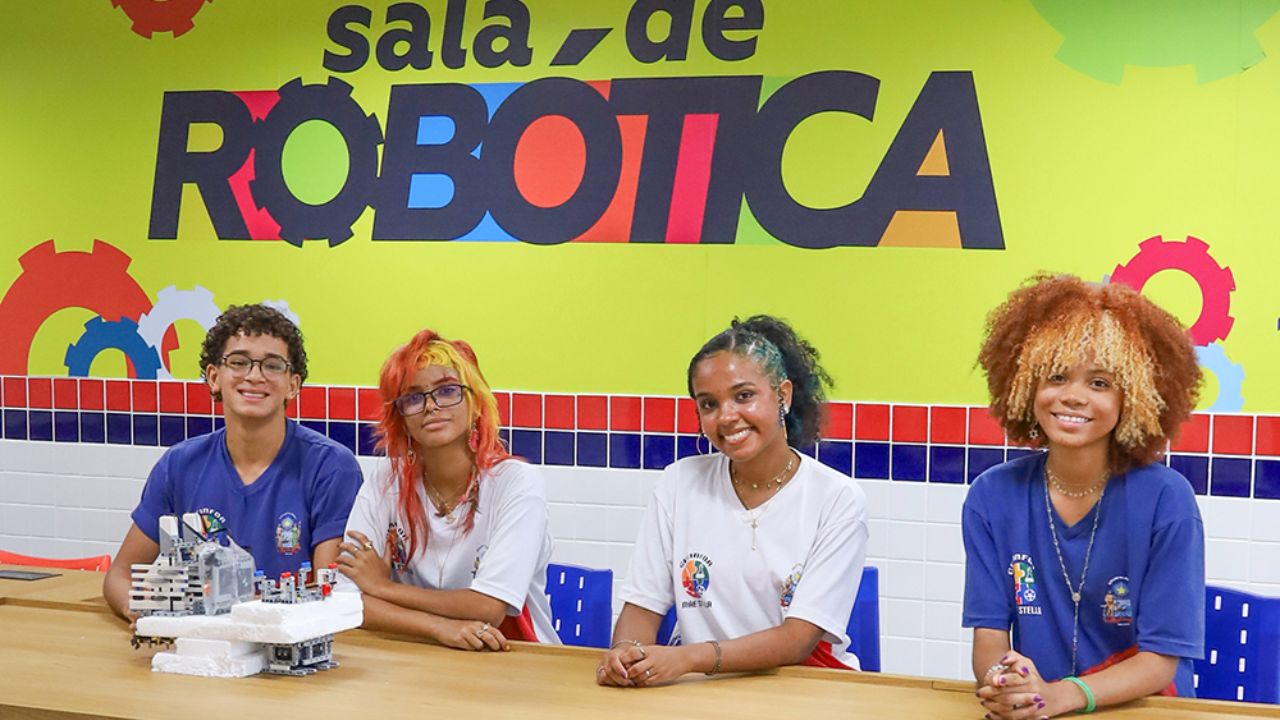
Therefore, the success of the lego boat prototype reflects public investment in scientific education, providing students with the necessary tools to transform classroom concepts into applicable solutions for society.
Scientific Education and Critical Worldview
For the teaching staff involved, the inclusion of these young people in the world of scientific research goes far beyond assembling a cleaning device. Professor Sâmara Azevedo emphasizes that this experience contributes to a more consistent understanding of social problems and current phenomena.
The integration of young people into scientific practice allows them to develop a critical and proactive stance in the face of global crises, such as ocean pollution. Thus, the robotics project in the Cabula neighborhood not only generates an innovative product but also forms citizens aware of their role in preserving the planet.
As Brazil seeks ways to reduce the massive volume of waste in its waters, initiatives like the Lego boat created by these students show that local innovation, combined with government support and educational robotics, can be the path to a cleaner and more sustainable future.
With information from the Government of Bahia