






 Portuguese
  Spanish


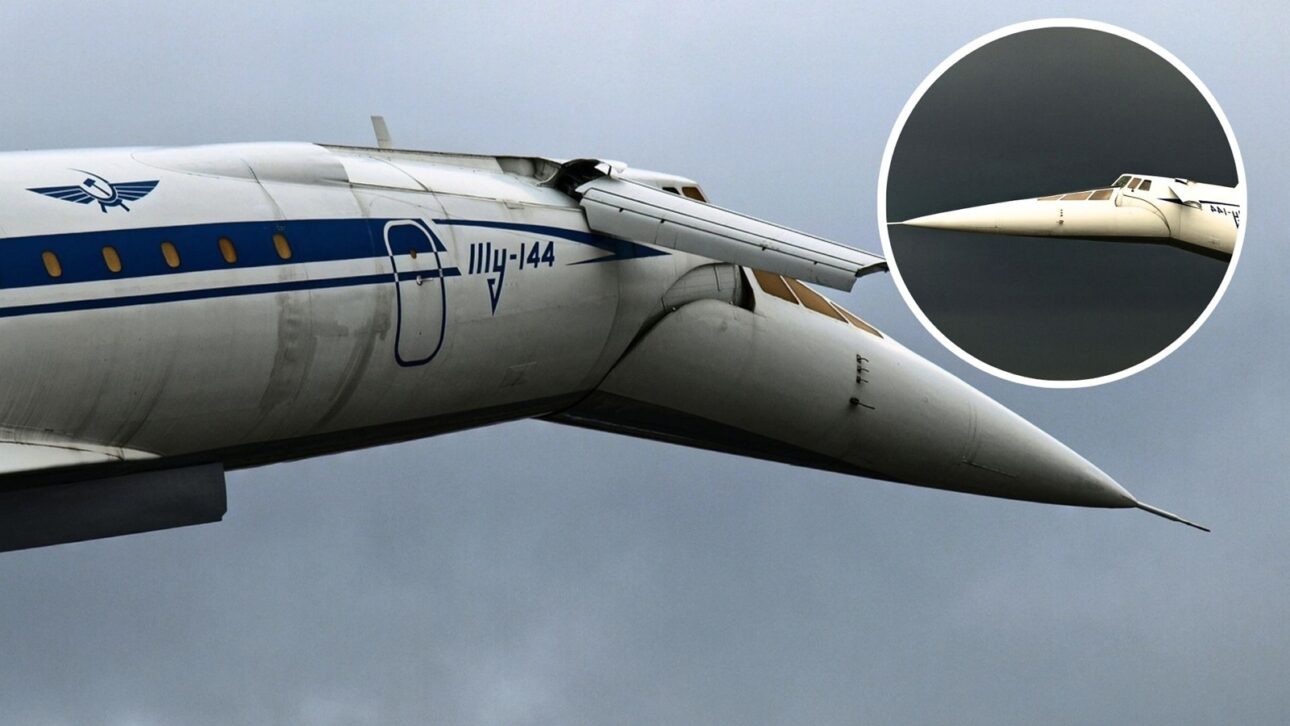
Russia develops a prototype of a supersonic passenger jet at the Zhukovsky Research Center, in an initiative by the United Aircraft Corporation that seeks to resume commercial flights above the speed of sound, focusing on lower noise, safety, environmental standards, and possible future use on long routes.
A prototype of a supersonic passenger jet is under development in Russia, within a project conducted with the participation of the Zhukovsky Research Center and accompanied by the United Aircraft Corporation, which sees technology as a bet for faster commercial travel.
Supersonic jet prototype is already off the drawing board
The CEO of UAC, Vadim Badekha, told the TASS agency that engineers are actively working on the project. He stated that the development is not just on paper and expressed confidence in the completion of the work by the research center.
The proposal is to create a commercial aircraft capable of transporting passengers at speeds exceeding that of sound, but with requirements compatible with modern safety and environmental standards. The stated goal involves operational viability, noise reduction, and civil use.
-
China to Drill 15 Kilometers into the Earth, Set to Break Russia’s Record for Deepest Man-Made Hole

-
Researchers Use Algae to Enhance 3D-Printed Walls, Boosting Strength by 25% and Speeding Construction by 33%

-
Drill Uncovers Freshwater Rivers Hidden Beneath the Ocean Floor
-
3,000-Ton, 81-Meter Attack Submarine Begins Sea Trials, Equipped with Heavy Torpedoes and Anti-Ship Missiles


In April, the Zhukovsky Institute Research Center patented the design of a future supersonic passenger aircraft. The design seeks to reduce the sonic boom during flight and decrease noise levels near airports.
Noise is still a central obstacle
Supersonic passenger aviation faces a known technical challenge: the loud boom produced when an aircraft exceeds the speed of sound. This factor limited previous generations and remains at the center of solutions being studied by engineers.
The Russian project attempts to address this barrier with a combination of aerodynamic design, reduced sound impact, and attention to airport areas. Noise reduction is treated as an essential condition to make commercial operation more acceptable.
Market targets time savings
The bet also considers the existence of demand for high-speed commercial flights. The most likely audience would consist of passengers who value time savings and premium experiences on long-distance travel.
There is still no schedule released for entry into commercial service. The aircraft remains in the development phase, and its use by airlines continues as a long-term goal, dependent on the technical advancement of the prototype.
The effort reinforces Russia’s ambition to expand its presence in advanced aerospace technologies. If development progresses, the supersonic jet could integrate a new phase of commercial aviation, marked by faster travel and reduced sound impact.
What do you think about the possible return of supersonic passenger flights?





Wow, a Russian concord ; that would be welcome provided it doesn’t ape its Western counterparts’ mistakes in being inaccessible to even the middle classes of human societies. Being people unfriendly often results in an economic curse !
Great. Lovely.
Wow