Portuguese
  Spanish


New Photoelectrochemical System Redefines Expectations, Reorganizes Production Methods, and Expands the Potential of Green Hydrogen in the Brazilian Scientific Scene
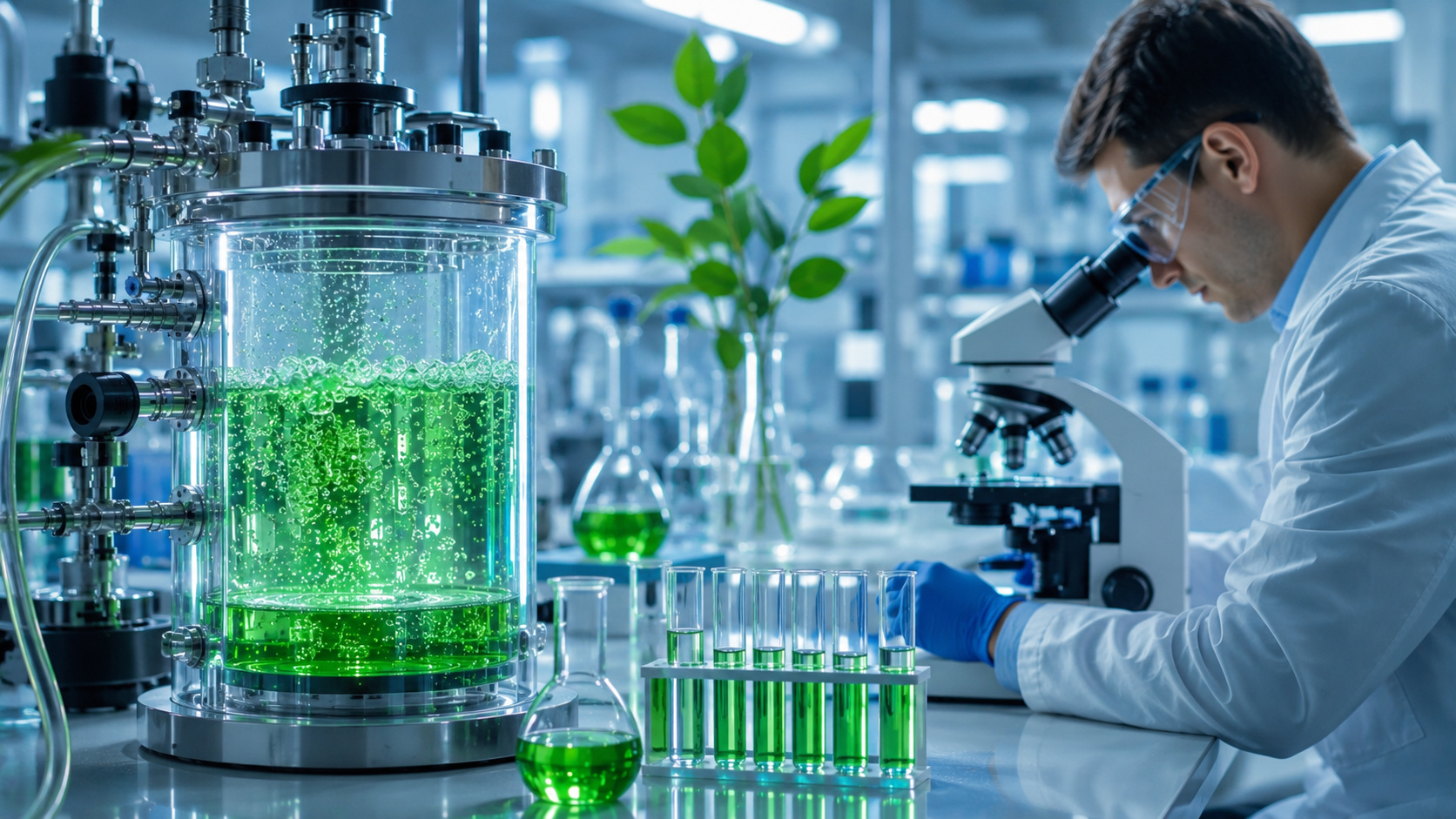
A significant technological innovation was recently presented by researchers from CINE, attracting national and international attention.
The group developed a photoelectrolyzer capable of generating green hydrogen using only sunlight, water, and widely available materials, demonstrating significant stability in laboratory tests.
The prototype operated for 120 hours with constant performance and maintained the same efficiency even outdoors, reinforcing its structural robustness.
This advance reveals an important step in the quest for self-sufficient and low-cost systems for the production of clean hydrogen.
Technical Review Demonstrates Direct Progress in the Efficiency of Photoanodes
The progress was made possible by the development of a more efficient, stable, and scalable hematite photoanode, overcoming one of the historical bottlenecks in the field.
The team used small amounts of aluminum and zirconium oxides to improve the material’s performance, thus increasing efficiency without compromising stability.
As a result, the solution offers better utilization of sunlight and promotes electrochemical reactions capable of releasing hydrogen directly from water.
Moreover, CINE brings together universities and research centers like Unicamp, USP, UFSCar, and CNPEM, thereby fostering technical integration and continuous development.
Structural and Operational Impacts of the New System
The method of manufacturing photoanodes was designed to meet industrial scalability, allowing the production of identical units in large quantities.
Thus, the researchers manufactured one hundred photoanodes with uniform properties, enabling the assembly of modules with standardized architecture.
Each photoelectrolyzer uses ten photoanodes and, consequently, ten integrated units form a module of one square meter.
This modular concept reorganizes application possibilities and offers flexibility for different operational demands.
-
Brazilian scientists are simultaneously advancing two research projects on clean hydrogen and driving solutions that could transform the energy matrix, enhance industrial competitiveness, and accelerate large-scale emission reduction targets.

-
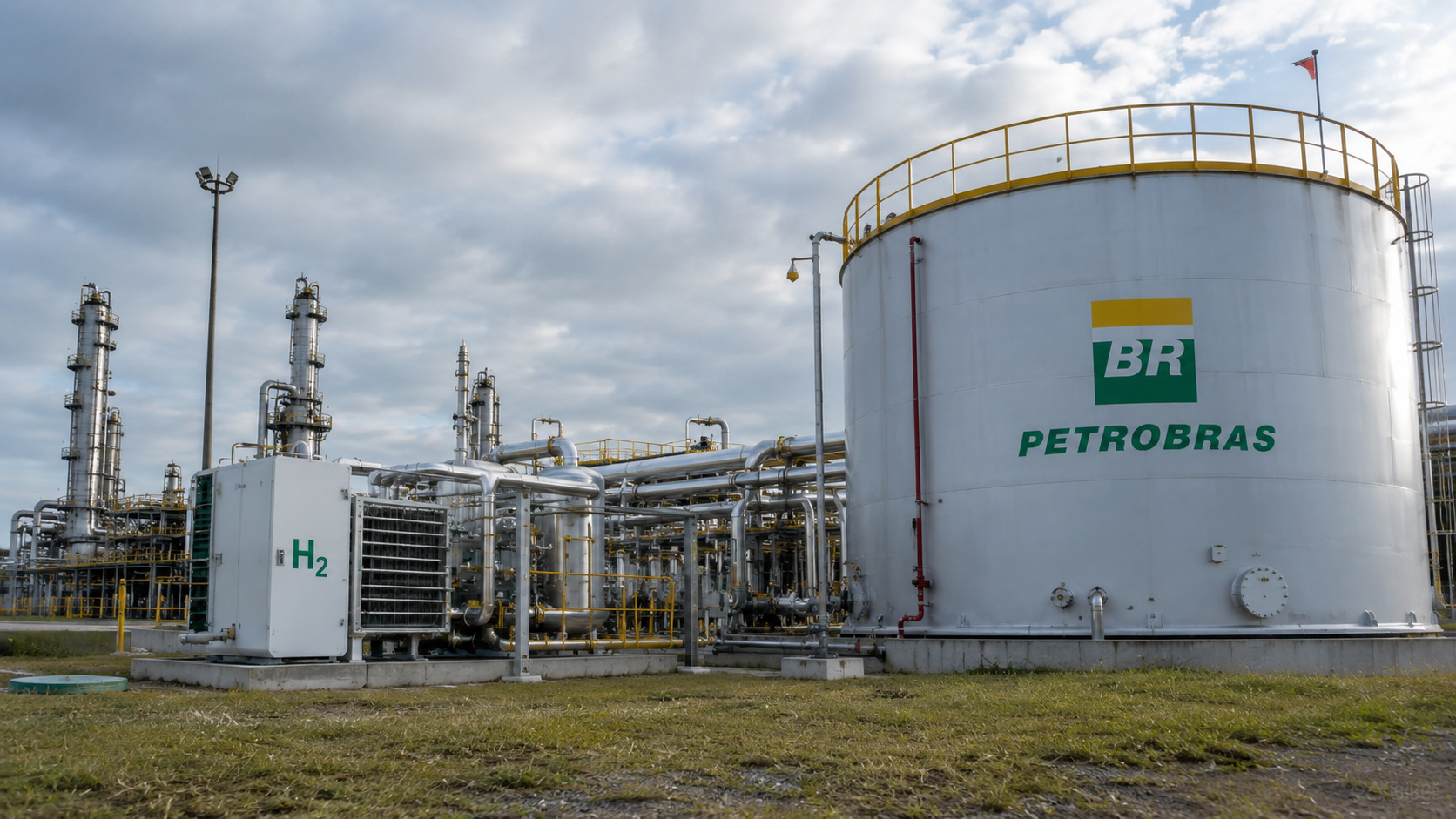
Advancement in renewable energy: A R$ 150 million project launched by Petrobras and Finep aims to create state-of-the-art electrolyzers for green hydrogen, strengthening national research and preparing Brazil to compete in a billion-dollar energy market.
-
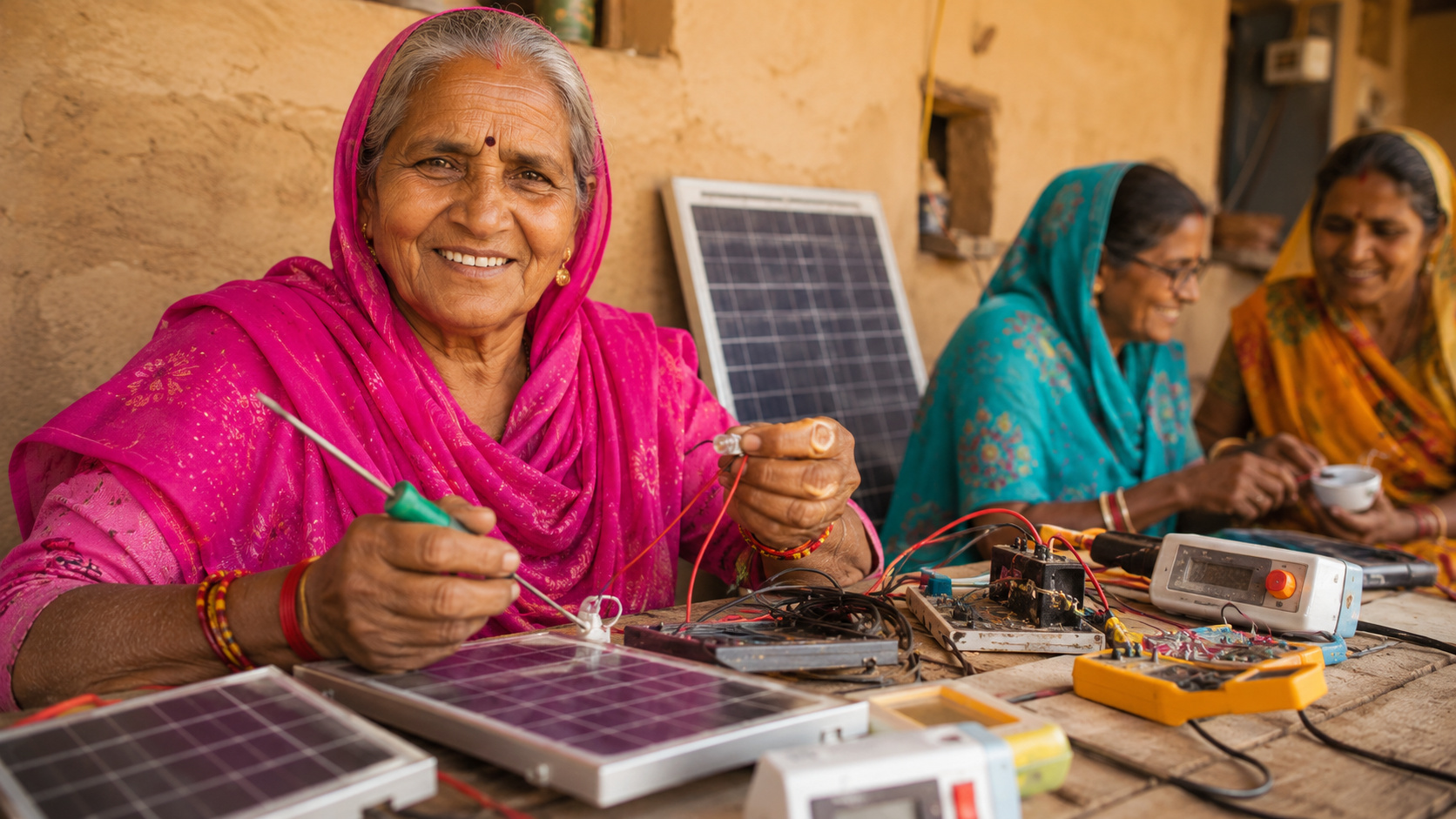
Illiterate or semi-literate grandmothers were trained to repair solar systems, open rural workshops, and light up homes that still depended on kerosene.
-
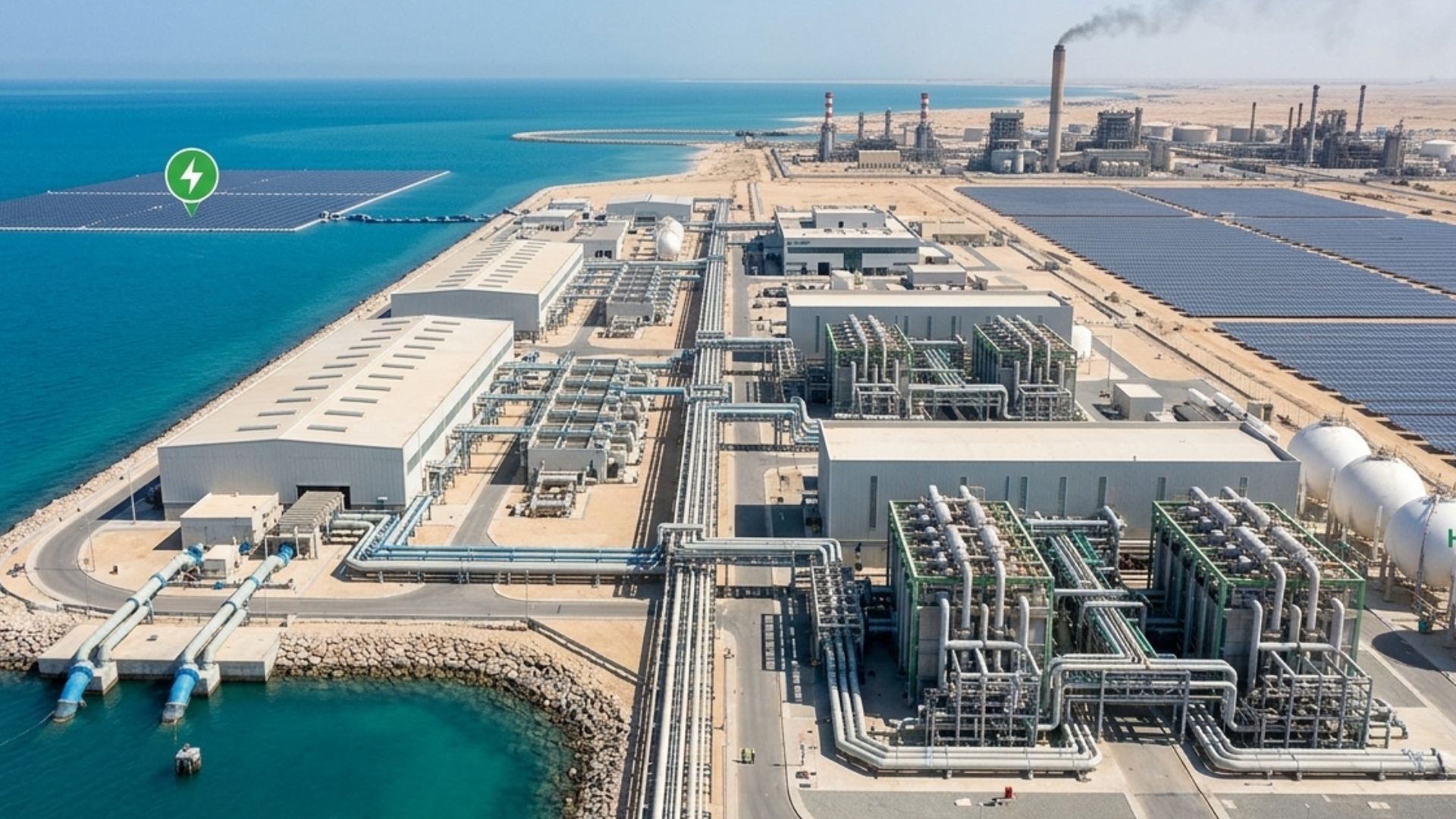
The world has bet on green hydrogen as the fuel of the future, but now faces the side effect: producing 1 kilogram requires about 9 liters of ultrapure water, and the largest projects on the planet are precisely in the driest regions of the Earth, where water is already scarce for people.

Development Process Generates Expectations in the Scientific Sector
Although the creation follows rigorous technical parameters, the innovation sparks great interest due to the prospect of direct use in industries requiring green hydrogen at specific points.
The stable operation both in the lab and outdoors reinforces the equipment’s reliability, raising expectations about its future application.
Additionally, the team is working on developing the cathode, which should also operate with sunlight, indicating a fully photoelectrochemical module.
This continuity maintains the research pace and encourages new phases of evaluation.
Researchers Observe Structural Challenges and Need for Investments
Despite the advancements, scaling up depends on significant investments in infrastructure and safety, requiring cooperation with interested companies.
Modular production facilitates industrial planning, enabling adaptations of system sizes according to each process’s needs.
However, expansion requires adequate conditions for testing, which still represents an important technical obstacle.
The research received support from FAPESP through specialized centers, reinforcing the scientific integration necessary for new stages.
Reactor in a Broader Context
The creation of the photoelectrolyzer is part of a set of initiatives aimed at making green hydrogen more accessible and aligned with low-cost materials.
This behavior demonstrates how technology can reorganize expectations about sustainable energy generation methods.
Thus, the developed system becomes part of solutions that explore sunlight as a direct source, reducing external energy dependence.
Furthermore, the modular approach allows for envisioning new industrial applications with greater flexibility.
The Future of Brazilian Photoelectrochemical Production
Researchers and experts note that the technology can represent a continuous advance for hydrogen production in the country.
The ability to maintain efficiency in different environments offers confidence in operational use, although expansion depends on adequate infrastructure.
Meanwhile, the pursuit of a fully photoelectrochemical module reinforces expectations about more self-sufficient and accessible systems.
In light of this scenario, what do you believe is more decisive: investment in infrastructure to expand the production of photoelectrolyzers or technical advances to improve the efficiency and stability of materials?