Portuguese
  Spanish





Beijing Begins New Era Of Mobility With Regulations For Autonomous Vehicles And Investments In Smart Infrastructure
The capital of China, Beijing, took a significant step towards the future of mobility by approving regulations that encourage the use of autonomous vehicles. Starting from April 2025, vehicles that meet stringent safety standards will be able to legally operate on public roads, including autonomous taxis and buses, according to Auto News.
This move reflects China’s ambition to lead the global autonomous driving market, strengthening its position as a pioneer in technological innovation. In addition to Beijing, other cities in China such as Wuhan are already adopting measures to promote connected smart vehicles, consolidating autonomous driving as a national priority.
Strategic Expansion And Smart Infrastructure
Beijing’s vision for mobility goes beyond autonomous taxis and buses. The Chinese capital aims to integrate this technology into private cars, urban trains, and trolleybuses, creating a complete ecosystem of autonomous transportation.
-
Renault Kwid Outsider 2023: Affordable Used Hatchback with 1.0L Engine, 15.7 km/l Efficiency, and Ample Cargo Space for Around $11,000

-
Chevrolet SUV Offers 153 hp Engine, 620 km Range, and ADAS Features at a Lower Price Than a New Kwid

-
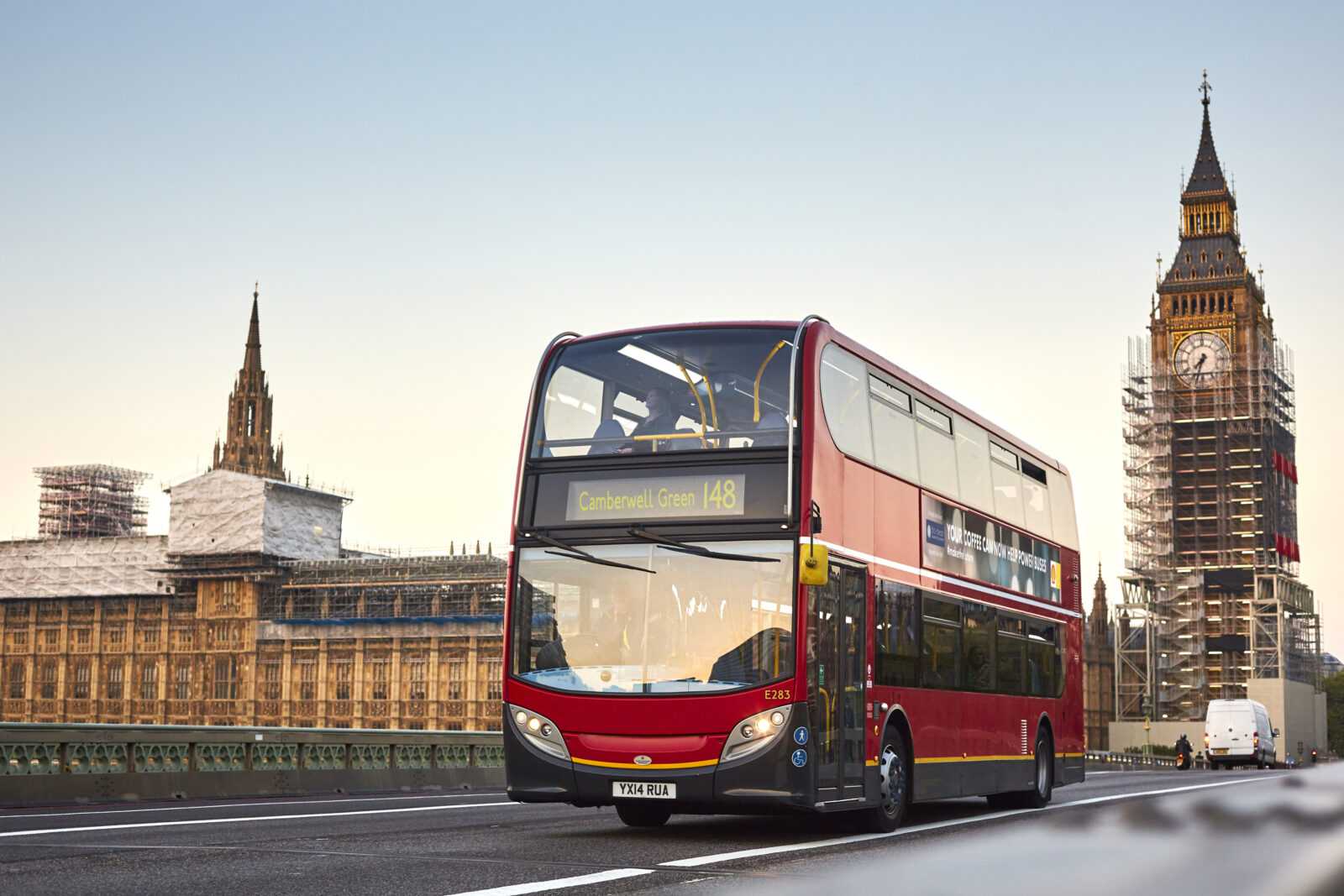
London buses run on biofuel made from coffee grounds, turning café waste into sustainable public transport fuel without engine modifications.

-
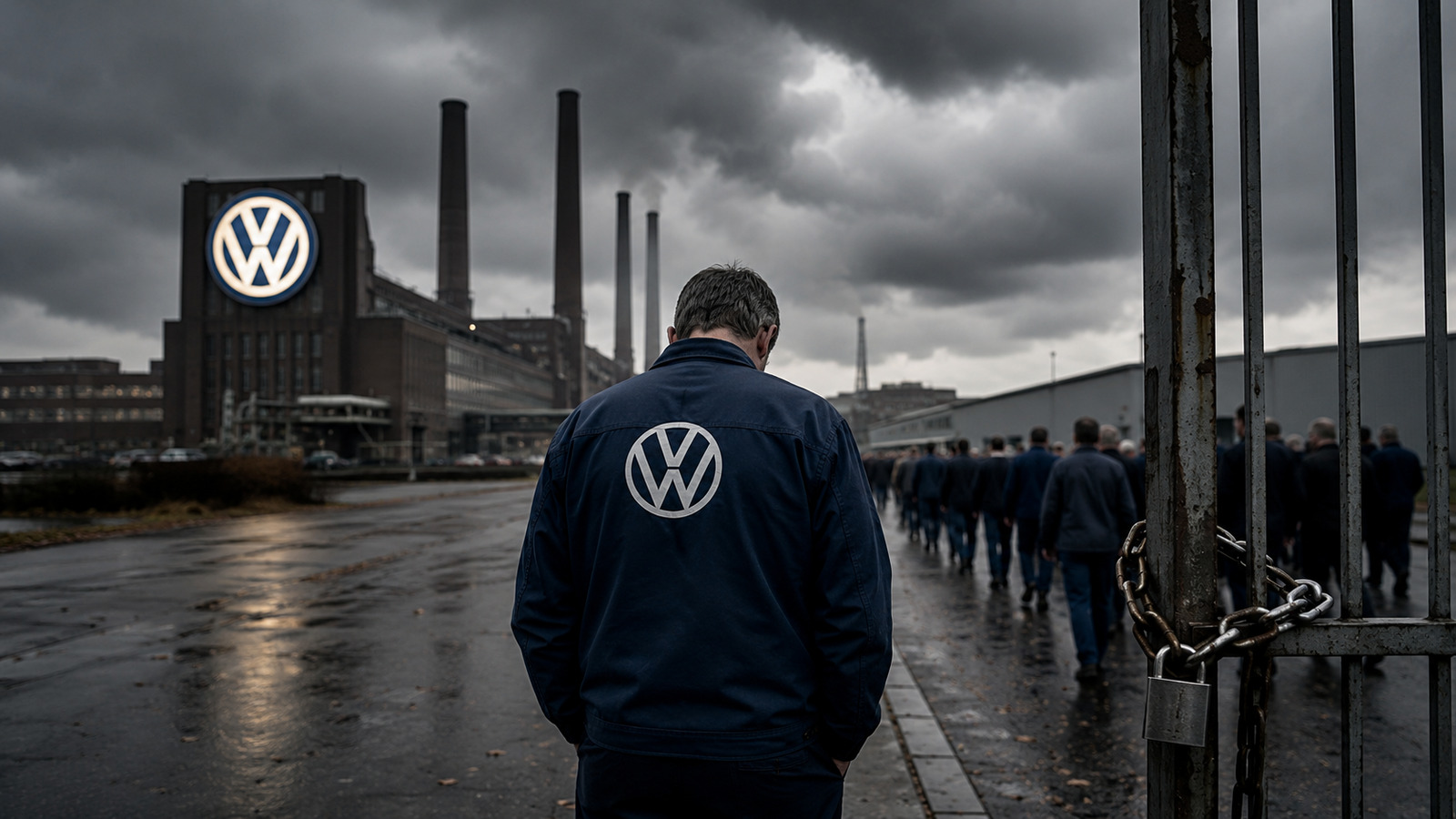
Major Automaker Considers Closing 4 Factories, Putting 45,000 Jobs at Risk Amid Chinese Competition in Brazil




To facilitate this transformation, investments in smart road infrastructure and technology are underway in China. This technology will enable communication between vehicles and the road network, ensuring safer and more efficient operations. Currently, 19 Chinese cities are already testing robotaxis and robobuses, reinforcing the national commitment to autonomous driving.
Companies Compete For Leadership In Autonomous Market
The autonomous driving market in China, particularly in Beijing, is booming, with tech giants and the automotive sector vying for space. Among the leaders is Baidu, which, through its subsidiary Apollo Go, plans to deploy 1,000 robotaxis in Wuhan by the end of 2024.
Pony.ai, which went public in the United States, is also seeking a leading role, with plans to expand its fleet of 250 robotaxis to over 1,000 by 2026. Other companies like WeRide, AutoX, and SAIC Motor are also keeping a close eye on opportunities in this promising sector.
Even Tesla is entering the competition, with plans to launch its Full Self-Driving (FSD) technology in China in early 2025, subject to regulatory approvals. The American automaker has also announced it will begin producing its own robotaxi model in 2026.