Portuguese
  Spanish


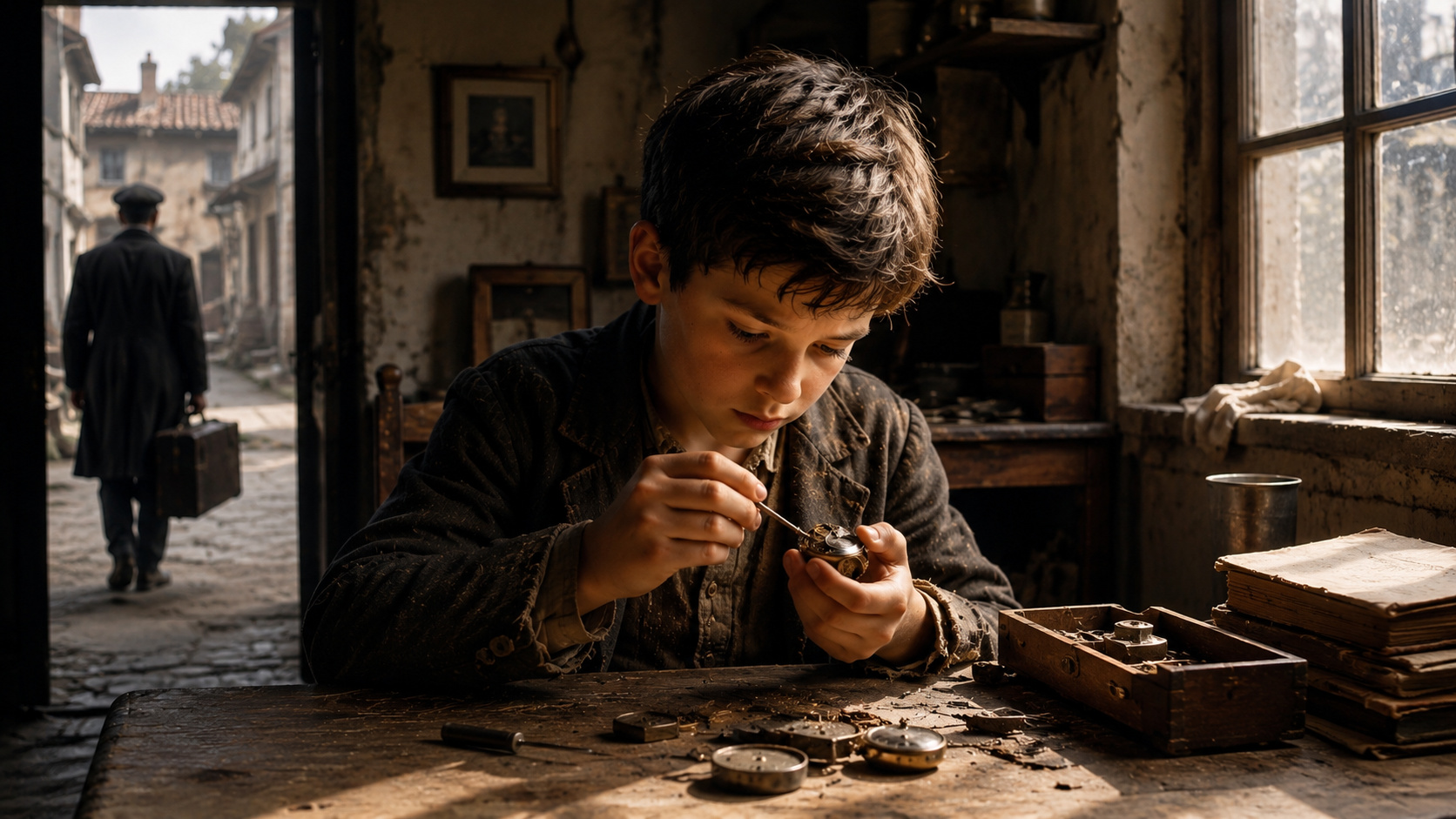

A discredited idea gained precision, crossed wars, and transformed a wristwatch into a global symbol of luxury, status, and exclusivity
The history of Rolex began long before the brand became synonymous with wealth, prestige, and desire. Initially, the idea seemed almost absurd: convincing men to switch from pocket watches to a small model strapped to the wrist.
The person responsible for this turnaround was Hans Wilsdorf, a young German who was orphaned as a child. Without great fortune, he bet on innovation, precision, and commercial vision to change the world of watchmaking.
In 1905, according to Rolex itself, Wilsdorf founded his company in London alongside Alfred Davis. While Davis invested capital, Hans sought to create the most precise wristwatch on the market.
-
English Skills Boost Career Opportunities in the Oil and Gas Industry

-
Brazil Secures Second Place at WorldSkills 2024 in Lyon, with 64 Young Professionals and 8 Medals, Including Gold from a Rio de Janeiro Hairdresser

-
3,000 Military Personnel from 10 Countries, Including US and Chinese Marines, Train Together in Brazil’s Savanna: Operation Formosa Becomes Largest Naval Ground Exercise Before First Cancellation Since 1988
-
UAE Sends 110 Date Palm Trees to Brazil, Signs $4 Million Deal to Boost Date Production in Bahia’s Hinterland, with Presidential Palace Receiving 10 Saplings


When the wristwatch was a laughingstock
At that time, men wore pocket watches attached by chains to their vests. Therefore, a watch on the wrist was seen as strange, fragile, and even feminine.
Moreover, many experts doubted that a small mechanism could have sufficient precision. Even so, Wilsdorf insisted.
The result appeared quickly. In 1910, a Rolex received official precision certification. Later, in 1914, the Kew Observatory granted the model the Class A rating, a standard linked to high-precision chronometers.
From then on, the joke began to turn into respect.


How the name Rolex was born
With technical advancement, Hans needed a short, elegant brand that was easy to pronounce in various languages.
Thus Rolex was born.
According to the company’s historical records, the name was registered in 1908. The word was simple, sonorous, and fit well on the watch dials.
This detail helped transform the manufacturer into a global brand.

The war accelerated the change
After that came the First World War. The market became unstable, companies closed, and luxury products lost strength.
However, the conflict showed the usefulness of the wristwatch. Soldiers realized that checking the time on the wrist was faster than taking a watch out of the pocket.
Consequently, pilots, navigators, explorers, and divers also adopted the new format.
Soon after, the company established itself in Geneva, Switzerland, where Rolex maintains its world headquarters to this day.
The test that put Rolex on the map
Even with technical recognition, the market still doubted the brand’s promises.
Then, in 1926, Rolex launched the Oyster, presented as resistant to water and dust.
To prove the innovation, the brand bet on a public demonstration. In 1927, swimmer Mercedes Gleitze swam across the English Channel wearing a Rolex Oyster.
After hours in the water, the watch continued to function. Therefore, the campaign strengthened Rolex’s reputation worldwide.
Exclusivity became a strategy
In the following decades, the company launched automatic mechanisms, professional models, advanced calendars, and watches aimed at different activities.
Furthermore, Rolex bet on authorized dealers, controlled distribution, and scarcity. While other brands sought volume, it strengthened desire.
Celebrities, athletes, entrepreneurs, artists, and heads of state also helped consolidate this image.
The foundation that protected the brand
Hans Wilsdorf died in 1960. Before that, he left control of the company to the Hans Wilsdorf Foundation.
With this, Rolex remained independent, not relying on heirs or external investors.
Today, even with counterfeits circulating in the market, the original models remain highly desired.
In the end, Rolex did not become a giant by chance. It was born from the daring of an orphan without money, overcame wars, surpassed doubts, and transformed precision into luxury, status, and exclusivity.
And you, do you think Rolex became so desired because of innovation, scarcity, or the strength of its history?