






 Portuguese
  Spanish


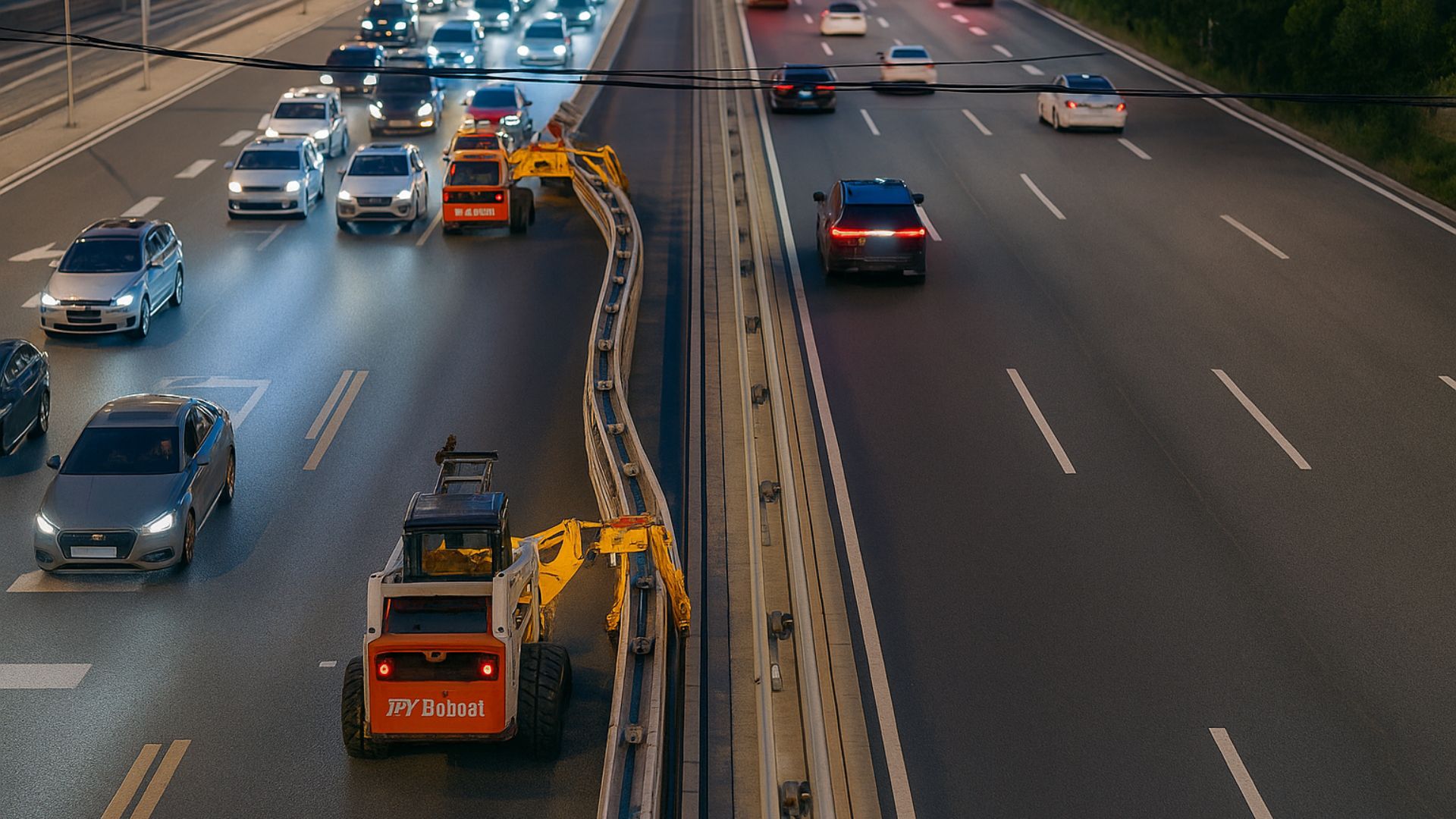


China Draws Attention Again With Automated Traffic Solution: Vehicles Known As “Zipper Trucks” Are Being Used To Move Concrete Barriers On Highways In Major Cities Such As Shenzhen And Beijing, Creating Extra Lanes During Rush Hour To Relieve Congestion In The Busiest Roads.
The system works simply yet extremely effectively. During the mornings, when traffic intensifies toward urban centers, the trucks reposition the barriers to open a new lane of traffic in that direction. At the end of the day, the same lane is relocated to favor traffic in the opposite direction.
This technology has proven to be a more efficient alternative than the traditional use of cones or manual changes. The truck is equipped with articulated arms that lift and reposition the concrete blocks without causing significant traffic blockages, operating smoothly along the expressways.
Smart Solution Tested In Shenzhen Since 2016
The innovation was first implemented in 2016, in the tech hub of Shenzhen, a city recognized as one of the largest urban development centers in China. Since then, its use has expanded to other regions, including the capital Beijing, where the video recently went viral on social media.
-
AI is Transforming the Job Market, but Expert Highlights 5 Human Skills That Will Become More Valuable Over the Next Decade

-
Microgreens Gain Popularity in Healthy Diets, Showcasing How Small Indoor Gardens Can Transform Home Routines
-
Luxury 80-room mansion in São Paulo, once valued at $15 million, sold for just $5.3 million at auction, now faces abandonment and potential demolition.

-
São Paulo Opens 14th “Vila Reencontro” with 94 Housing Units to Support 468 Vulnerable Residents




The visibility of the system grew even more after the spokesperson for China’s Ministry of Foreign Affairs, Hua Chunying, shared images of the zipper truck with the caption: “How Is Beijing Relieving Traffic Jams? By Changing Traffic Direction.” The post gained significant online traction.
Solution Also Used On The Golden Gate Bridge In The USA
Although it is a recent highlight in China, the technology has been in use since 2015 on the Golden Gate Bridge in San Francisco, USA. However, in this case, the main goal is to increase safety and reduce head-on collisions, not necessarily alleviate traffic.
The information was initially reported by UrbNews and widely circulated on social media and urban mobility sites. The content reinforces the role of automation as an alternative for structural problems common in cities with high vehicle volumes.
What about you, would you like to see this technology working here in Brazil? In which state or city would it help the most in combating traffic jams?






Essa solução não é uma novidade. Há cerca de 20 anos já eram vistos caminhões fazendo essa movimentação de barreiras nas rodovias próximo a Miami.