Portuguese
  Spanish


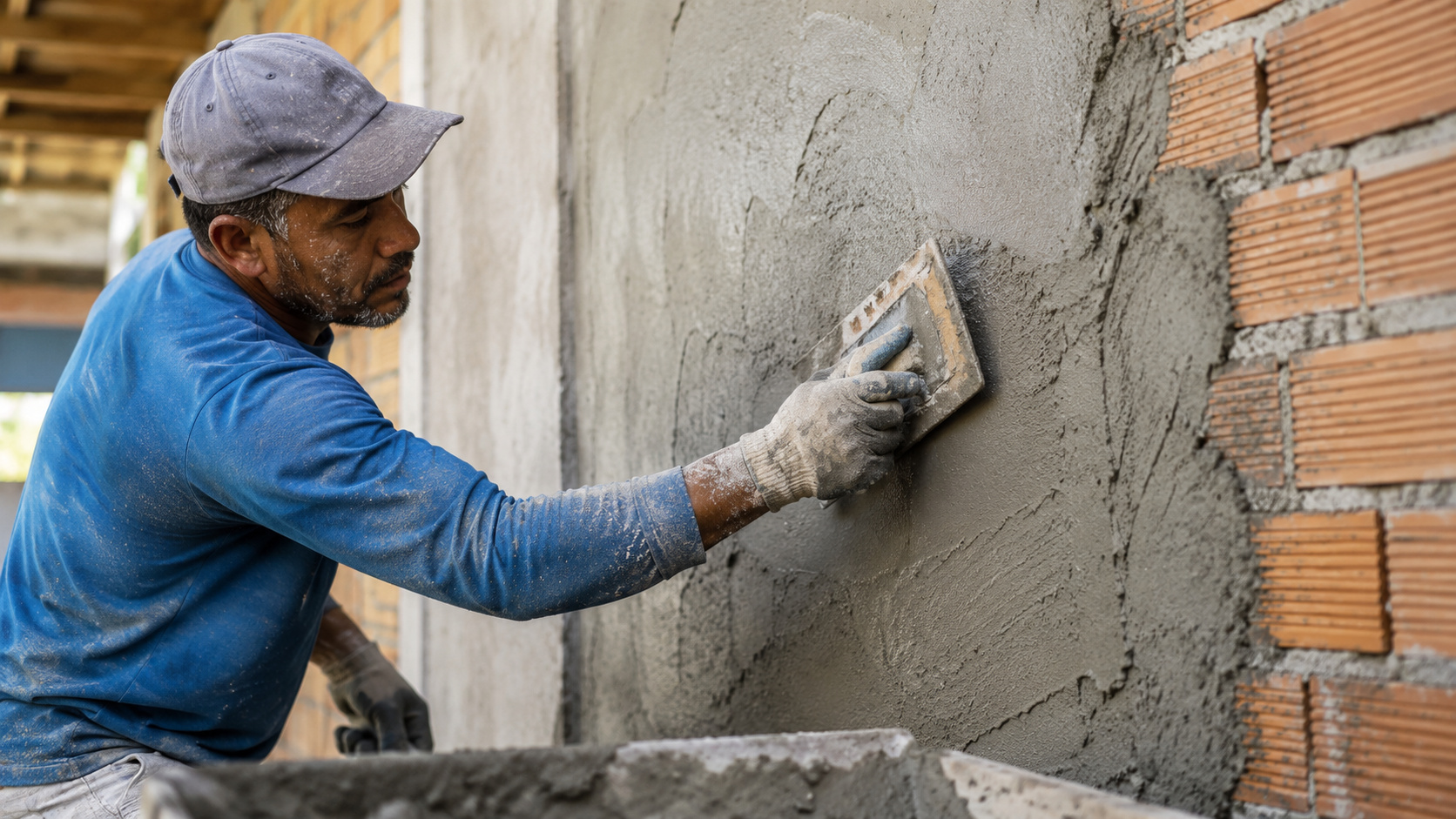

Learn how the correct cement mix increases the durability of resistant plaster, reduces wall moisture, and helps prevent wall infiltration.
Plastering is much more than a finishing layer. It protects the masonry, prepares the surface for painting, and helps increase the durability of the construction. When cracks, hollow parts, or moisture stains on the wall appear, the problem usually started even before the application of the plaster.
According to Super Rádio Tupi on June 29, 2026, the quality of the coating depends on the cement mix, the preparation of the base, the choice of the ideal mortar, and the curing performed after application. When these steps are followed, the result is a resistant plaster, with a lower risk of detachment and problems related to wall infiltration.
The cement mix defines the resistance and durability of the coating
The cement mix corresponds to the proportion between cement, lime, sand, and water used in the preparation of the mortar. Although it seems like just a detail of the construction, it directly influences the adhesion, resistance, and lifespan of the plaster.
-
Brazilian Researchers Develop Plant Fiber Cement Absorbing 100 kg of CO2 per Cubic Meter, Aiming for Low-Carbon Construction

-
Brazil’s Largest Sewage Plant Boosts Capacity with New High-Performance Pumps, Treating Over 1 Billion Liters Daily
-
Brazilian Mother and Homemaker Becomes Bioconstructor, Builds 24-Ton Earth Dome and Teaches Technique Across Argentina
-
Manchester Builds 40 Furnished Homes for the Homeless Under Railway Arches, Complete with Community Hall, Laundry, Garden, and Sports Court


When the mixture receives excess cement, it tends to become very rigid, favoring the appearance of cracks during shrinkage. On the other hand, an insufficient amount reduces mechanical resistance and increases the risk of crumbling and detachment.
Besides the correct proportion, it is also important to observe the cleanliness of the wall, the presence of roughcast, and the control of moisture before application. A good coating depends on the combination of these factors.


The ideal mortar starts with the balance between materials
For conventional plasters, one of the most used mixes is 1 part cement, 1 part hydrated lime, and 6 parts sifted medium sand, known as 1:1:6.
This composition provides good workability and reduces the occurrence of cracks because the lime increases the plasticity of the mixture.
An ideal mortar also depends on the quality of the materials used. Clean sand, the correct amount of water, and cement within its expiration date make a difference in the final performance.
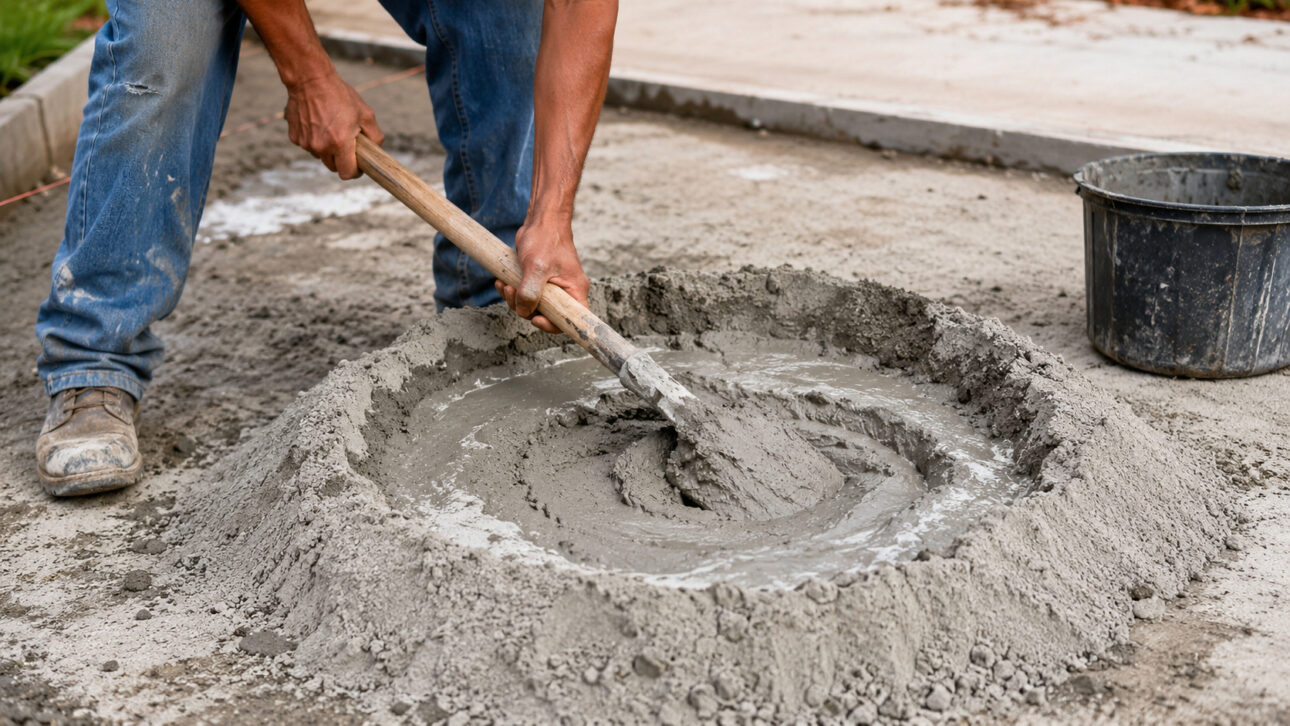
During preparation, it is recommended to follow a simple sequence:
- mix cement, lime, and sand while still dry;
- add water gradually;
- avoid making the mixture excessively runny;
- prepare only the amount that will be used.
These precautions help maintain the consistency of the mortar and facilitate application.
Durable plaster depends on a well-prepared wall
It’s not enough to use good material if the base is not ready to receive the coating.
Before application, the wall must be clean, firm, and free of dust, oil, loose paint, or hollow parts. When necessary, roughcasting creates a rougher surface, enhancing the plaster’s adhesion.
The Brazilian Portland Cement Association (ABCP) also advises that the base be slightly moistened before applying the layers of mortar. This procedure reduces the rapid absorption of water from the mixture and improves its fixation.
In practice, a durable plaster begins long before the trowel comes into action.
How moisture in the wall reduces the lifespan of plaster
The presence of moisture in the wall is among the main causes of coating deterioration.
When there is infiltration from the ground, hydraulic leaks, roof, or facades without adequate protection, water penetrates the masonry and compromises the mortar’s adhesion.
The first signs usually appear gradually:
- dark stains;
- bubbles in the paint;
- mold;
- efflorescence;
- plaster detachment.
In these situations, simply redoing the coating does not solve the problem. It is necessary to eliminate the source of moisture before applying a new layer.
Common mistakes that compromise the ideal mortar
A large part of the problems found in residential construction is related to inadequate execution.
Among the most frequent mistakes are excess water in the mixture, inadequate sand, absence of roughcast, and incorrect wall preparation.
There is also the false idea that adding more cement always improves the quality of the mortar. In reality, the excess can increase the rigidity of the mortar and promote cracks during drying.
Therefore, the ideal mortar is one that respects technical proportions and uses materials compatible with the type of coating.
What causes wall infiltration even after new plastering
Many people believe that newly executed plastering eliminates any water problems. In practice, this does not happen.
Wall infiltration is usually linked to external causes, such as waterproofing failures, leaks, damaged roofing, or lack of protection on facades.
Before starting the plastering, it is worth checking:
- possible hydraulic leaks;
- conditions of the roof and gutters;
- presence of structural cracks;
- need for waterproofing;
- entry points for rainwater.
Correcting these failures avoids rework and increases the durability of the coating.

Curing makes as much difference as the cement ratio
Even using an excellent cement ratio, the result can be compromised if curing is neglected.
In the first days after application, the cement continues to undergo the hydration process. If the water evaporates quickly, the chances of shrinkage and the appearance of small cracks increase.
Keeping the surface slightly moistened during this period helps in the development of the coating’s resistance, especially on very hot days.
This simple care often makes a big difference in the lifespan of the plaster.
Good practices that help plaster last many years
Some habits significantly increase the durability of the coating.
Using quality materials, properly preparing the base, and respecting the curing time are actions that reduce maintenance costs and prevent premature renovations.
Another important recommendation is to never apply plaster on soaked walls or walls with active moisture problems. First, it is necessary to locate the source of the water and carry out the appropriate repair.
Those who wish to better visualize the preparation of the mortar can refer to the content produced by the channel O PULO DO GATO NA CONSTRUÇÃO, which gathers about 1.81 million subscribers on YouTube. The material demonstrates, in practice, the preparation of lime mortar using proportions similar to those used in conventional works.
A good plaster is the result of technique and not just more cement
The durability of the coating depends on the combination of quality materials and correct execution. A balanced cement mix, combined with the ideal mortar, proper wall preparation, and curing done without haste, significantly reduces the risk of cracks, detachments, and wall infiltration problems.
Following technical guidelines and using procedures recommended by entities such as the Associação Brasileira de Cimento Portland (ABCP) increases the chances of obtaining a resistant plaster, capable of protecting the masonry for many years. Instead of investing only in more cement, the best path is to respect all execution stages, ensuring a beautiful, safe, and durable finish.