





 Portuguese
  English
  Spanish
  4 min of reading
  0 comments


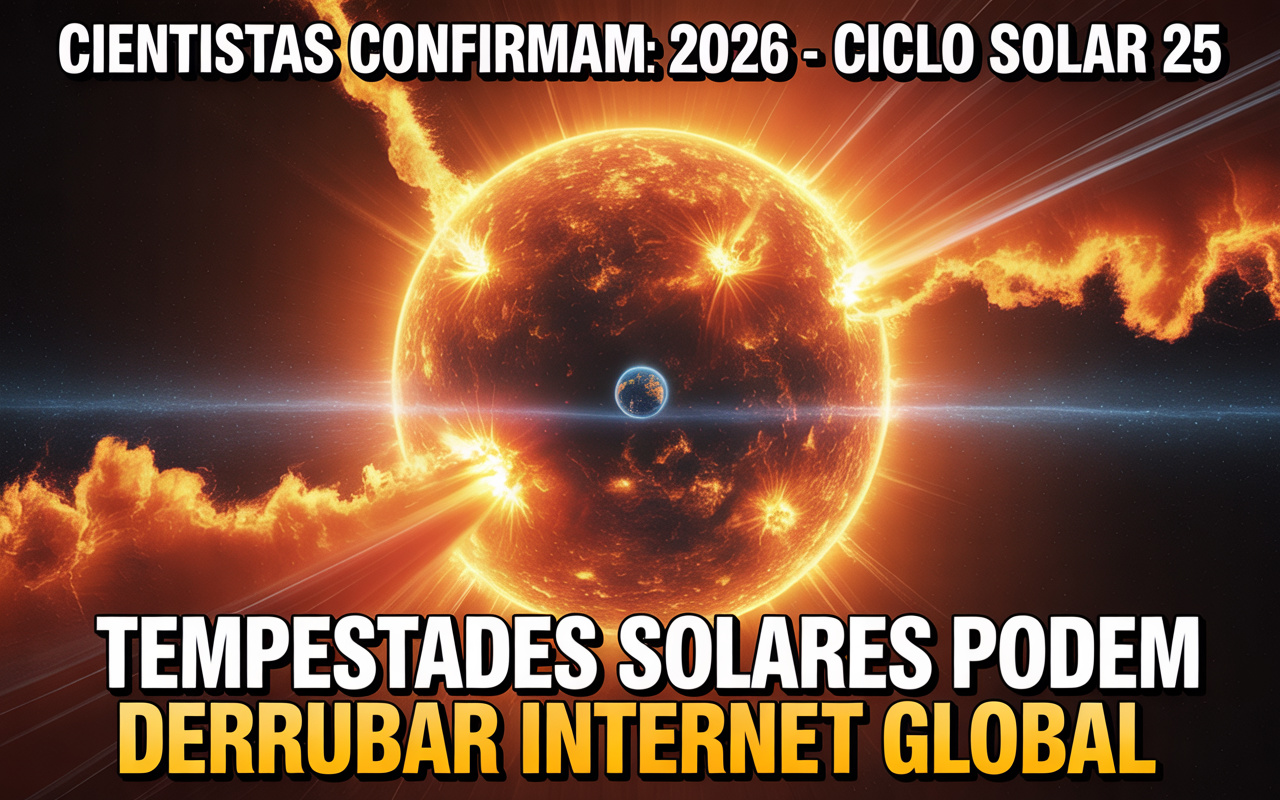
In 2026, The Sun Reaches The Peak Of Solar Cycle 25. Giant Solar Explosions Threaten Satellites, Electricity, GPS, And Communications Worldwide.
The year 2026 marks a critical point for humanity regarding space. For the first time in over a decade, the Sun officially enters the peak of an extreme activity cycle known as the peak of Solar Cycle 25. This is not an abstract event limited to astronomers: the solar storms expected during this period have a real potential to affect electrical networks, satellites, navigation systems, global internet, aviation, and even entire logistics chains. It is a natural phenomenon, predictable from a scientific perspective, but its consequences still challenge the responsiveness of modern societies.
What Is Solar Cycle 25 And Why 2026 Is Decisive
The Sun goes through regular cycles of approximately 11 years, during which its magnetic activity oscillates between calm and extremely turbulent phases.
Solar Cycle 25 began in December 2019 and, according to consolidated data from space observatories and space climate monitoring centers, it reaches its maximum precisely between 2025 and 2026. In 2026, the number of sunspots, solar flares, and coronal mass ejections will reach significantly higher levels than those recorded in the previous years of the same cycle.
-
Two 17-year-old Kenyans use coconut shells, corn cobs, and recycled materials to create an exhaust filter that reduces 93.3% of pollutant particles and wins an environmental award in Africa.

-
Reversible glue gets an electric version, promises to replace soldering, and could change electronics recycling.

-
13-year-old student creates a machine with bacteria that devour Styrofoam and transform discarded foam into energy and biodegradable plastic, tackling one of the most difficult-to-recycle wastes that are most present in landfills around the planet.

-
A study proposes transforming the Moon into a kind of quarantine center for samples brought from Mars and other worlds, creating a sterile and isolated barrier that would filter any unknown organisms before the material reaches Earth and its ecosystems.



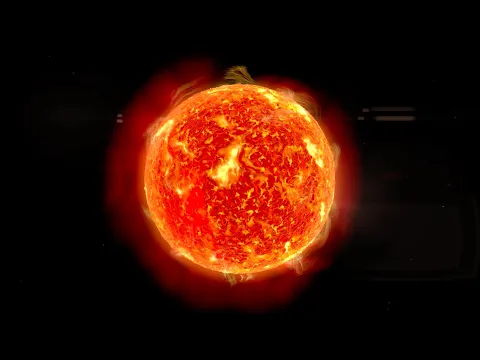

Sunspots are regions of intense magnetic activity, often associated with violent events on the solar surface.
As the number of sunspots increases, so does the likelihood of explosions capable of launching billions of tons of ionized plasma into space. When these structures are directed towards Earth, the impact occurs in a matter of hours or days.
Coronal Mass Ejections: Billions Of Tons Traveling At Millions Of Km/h
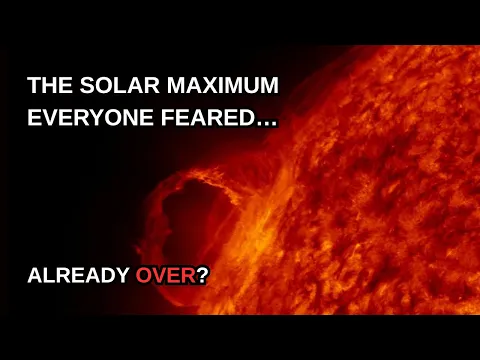
Coronal mass ejections are the most concerning events from a technological perspective. Each can carry more than 1 billion tons of charged particles, launched at speeds exceeding 2 million kilometers per hour.
Upon reaching the Earth’s magnetic field, these plasma clouds compress the magnetosphere and induce intense electrical currents in the ionosphere and on the planet’s surface.
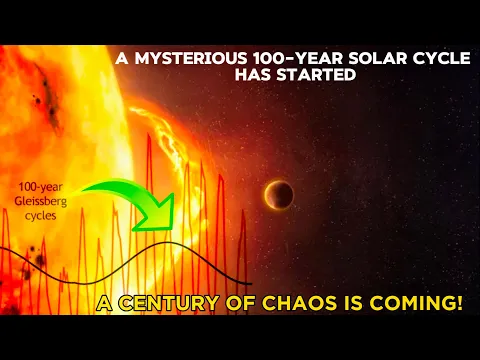
In 2026, physical models indicate that the frequency of these ejections will increase significantly, raising the risk of direct impacts.
Even when they do not directly hit Earth, they can cause prolonged disturbances in radio communication systems and GPS signals, which are essential for aviation, maritime transport, precision agriculture, and military operations.
Solar Storms And The Real Risk Of Blackouts
One of the biggest fears associated with the peak of Solar Cycle 25 is related to electrical infrastructure. Intense solar storms induce geomagnetically induced currents in high-voltage transmission lines.
These currents can overload transformers, cause overheating, and, in extreme cases, lead to the permanent burning of equipment that takes months or years to be replaced.
Historical events demonstrate this risk. In 1989, a solar storm much less intense than the ones expected for 2026 caused a nine-hour blackout in Quebec, Canada, leaving millions without power.
Recent studies indicate that a solar storm of large magnitude today could generate economic losses in the order of trillions of dollars, simultaneously affecting several continents.
Satellites, Internet, And Communications Under Threat
Today’s society relies on over 7,000 active satellites orbiting Earth. They support everything from global internet and data transmission to weather forecasts, climate monitoring, banking systems, and government communications.
During the peak of Solar Cycle 25, these satellites are exposed to intense flows of energetic particles that can damage solar panels, interfere with electronic systems, and alter orbital trajectories due to increased upper atmospheric density.
In 2026, space engineers are closely monitoring the risk of cascading failures. A single severe solar storm can disable multiple satellites at once, drastically reducing global communication capacity and directly affecting internet, telephone, and navigation services.
Aviation, Navigation, And Global Logistics Chains
Another highly vulnerable sector is aviation. Transcontinental flights, especially on polar routes, heavily rely on high-frequency radio communications, which are extremely sensitive to solar activity.
During intense storms, these communications can fail completely, forcing aircraft to divert routes, consume more fuel, and delay entire logistics chains.
In maritime transport, satellite positioning systems may suffer significant degradation, increasing operational risks. In a highly interconnected world, small disruptions in navigation and communication systems can generate disproportionate economic effects.
What Science Is Doing To Mitigate Risks In 2026
Unlike past solar cycles, the peak in 2026 occurs in a context of unprecedented monitoring.
Satellites dedicated to space weather, global networks of solar observatories, and advanced computational models allow for the prediction of extreme events with a few hours or days’ notice. This enables electrical network operators, space agencies, and airlines to adopt preventive measures such as controlled shutdowns, satellite reorientations, and route adjustments.
Still, experts warn that the structural vulnerability of modern societies remains high. The increasing reliance on digital technology makes the potential impacts much broader than in any other solar cycle previously observed.
Why 2026 Is A Test For Technological Civilization
The peak of Solar Cycle 25 represents not just an astronomical event, but a true resilience test for the systems that sustain modern life.
Energy, communication, transportation, and data depend on a stability that the Sun, in its most active phase, does not guarantee.
In 2026, the central question becomes not whether solar storms will occur—they will occur—but whether humanity is prepared to live with the limits imposed by the very star that makes life possible on Earth.
The Sun, silent from a distance, will once again remind that space is not a neutral environment. And the peak of its magnetic fury in 2026 may redefine how the world faces invisible, yet deeply transformative, natural risks.


-

-

-

-

-

16 people reacted to this.