Portuguese
  Spanish


State and national measures expand control over imported tilapia and reorganize the defense of Brazilian production in the face of external competition
A high-impact reaction for Brazilian fish farming was recently announced by state governments and the Chamber of Deputies, attracting the attention of producers and sector entities. The government of São Paulo announced, on June 2, a specific tax for imported tilapia fillets, while Pernambuco informed, on June 3, that it is preparing stricter inspection rules against the fish coming from Vietnam. The actions were celebrated by Peixe BR, the Brazilian Fish Farming Association, as important measures to ensure competitiveness and security for the national sector.
Technical review reveals progress against imported fish
The change in São Paulo stems from the publication of a decree that will establish a specific ICMS rate for imported tilapia fillets. The announcement was made by state deputy Itamar Borges, alongside Governor Tarcísio de Freitas and members of the economic and agricultural areas of the São Paulo government. The initiative meets a long-standing demand from producers, who have been warning about the impacts of the growing presence of foreign fish in the national market. This movement creates a direct tax response to the advance of imports and strengthens the position of local fish farmers.
Inspection in Pernambuco targets sanitary risk
Pernambuco has also started to reinforce control over the entry and circulation of imported tilapia. Adagro, the Agricultural Defense and Inspection Agency of Pernambuco, announced the drafting of an ordinance to limit the circulation of these products in the state territory. The measure is based on the risk of introducing the TiLV virus, known as Tilapia Lake Virus, an endemic disease in the Asian region that can harm local stocks. The State Legislative Assembly is also debating bills aimed at traceability and sanitary control of imported fish.
-
Brazilian Ranchers Use Satellites to Optimize Pasture Management and Prevent Feed Loss in Cattle Farms

-
Russia Follows China in Recognizing Brazil as Free from Foot-and-Mouth Disease Without Vaccination, Boosting Meat Exports and Agribusiness Potential

-
23-Year-Old Brazilian Turns Beekeeping into College Tuition, Harvesting Honey Twice a Year from 50 Hives

-
10-Year-Old Boy Persists After Being Told He’s Too Young, Now Helps Manage Brazilian Farm and Launches New Project




Economic impacts for local fish farmers
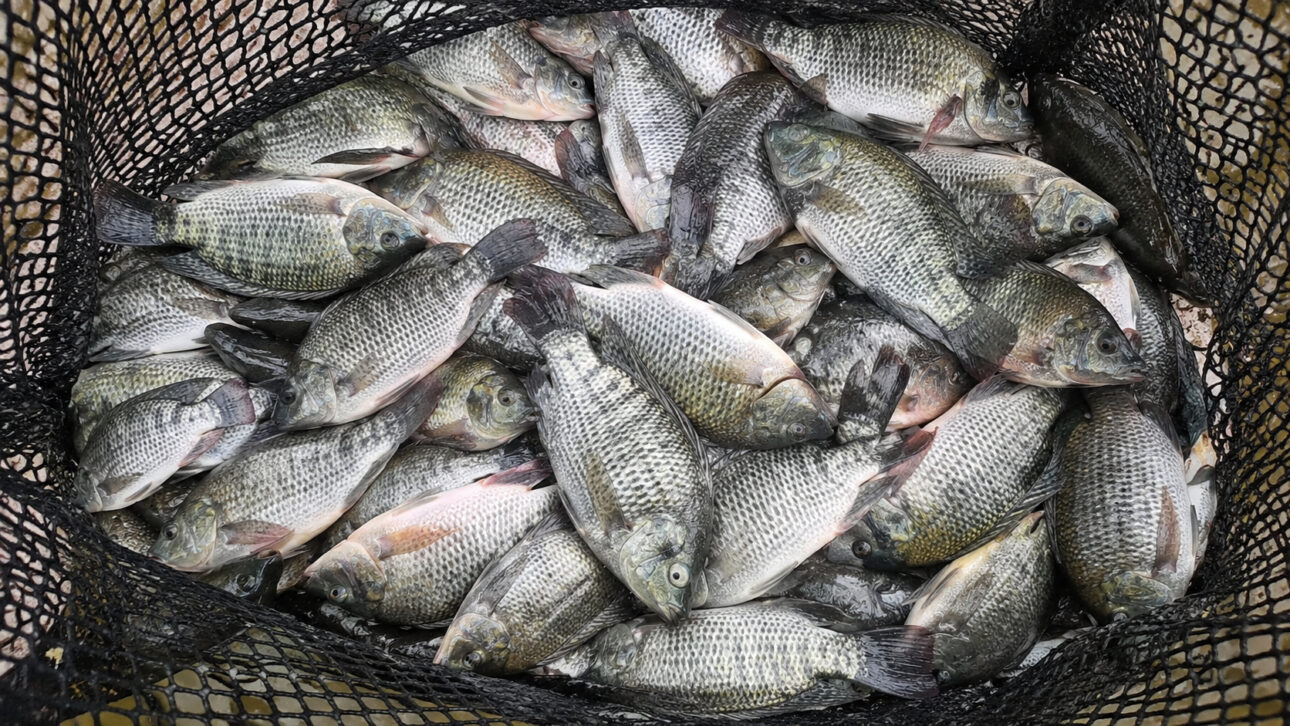
The economic pressure caused by competition with foreign products has led states and industry representatives to advocate for firmer measures. Local fish farmers face difficulties due to the growing presence of imported tilapia, which affects competitiveness, prices, and the security of the production chain. Peixe BR evaluated the actions as important victories for the sector, especially because they combine economic protection, sanitary inspection, and control over the origin of the fish circulating in the country.
National projects advance in the Chamber
The discussion also gained momentum in Brasília on May 28, when the Agriculture, Livestock, Supply, and Rural Development Committee of the Chamber of Deputies approved two projects aimed at the Brazilian fish industry. PL 6331/25 prohibits the importation of tilapia at any production stage or reproductive purpose, including live, chilled, frozen, filleted, eviscerated, industrialized, or processed specimens for human or animal consumption. The text seeks to reduce sanitary risks associated with infectious agents, such as parasites, and protect the national production chain.
Control over the entire tilapia chain
The project includes the species Oreochromis niloticus, Oreochromis mossambicus, Oreochromis aureus, Tilapia rendalli, also called Coptodon rendalli, and their hybrids. The proposal also prohibits customs clearance, circulation, distribution, storage, and marketing of imported tilapia. Licenses, permits, or authorizations for importers of the species are also banned by the text. In case of non-compliance, fines, seizure, and revocation of licenses are foreseen, creating a broad barrier against the entry and distribution of foreign fish.

Incentive for sustainable national production
PL 6463/25, in turn, establishes guidelines to encourage the production, processing, and marketing of tilapia in an environmentally sustainable manner. The proposal seeks to promote economic development, preserve natural resources, and generate employment and income. The text also provides incentives related to the sustainable use of water, the control and mitigation of environmental impacts, compliance with current legislation, and the adoption of good practices. This front broadens the defense of national fish farming by stimulating internal production with environmental criteria.
Next steps of the measures
Both proposals are being processed under a conclusive regime, meaning they do not need to be reviewed in the Chamber’s Plenary, unless a motion is filed. The project that prohibits the importation of the species still needs to go through the Constitution and Justice and Citizenship Committee. The proposal to encourage domestic production also requires approval from the Finance and Taxation Committee and the Constitution and Justice and Citizenship Committee.
The protection of Brazilian tilapia now depends on oversight, taxation, and legislative progress, but will these measures be enough to contain the pressure of imports?