





 Portuguese
  English
  Spanish
  3 min of reading
  0 comments


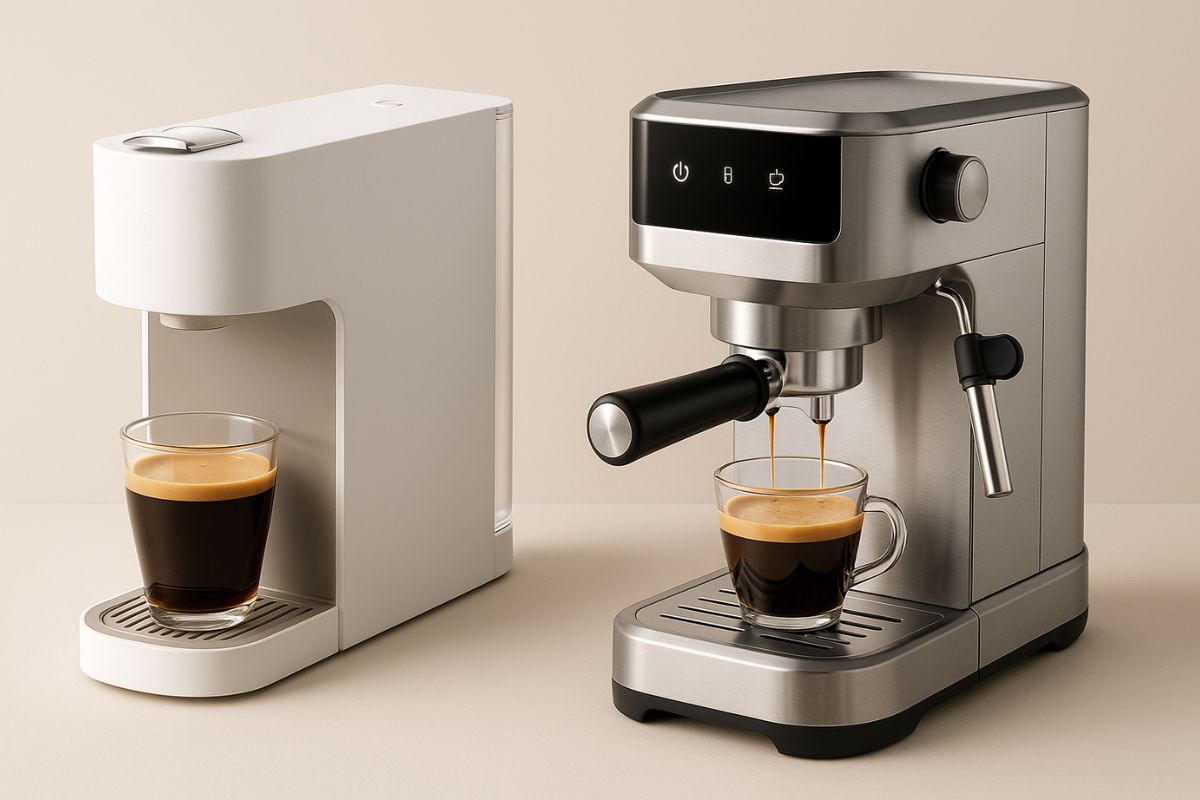
Xiaomi Equipment Promises Full-Bodied Coffee, Compact Design, and Good Cost-Benefit, but Requires Attention When Importing
The question of whether the Xiaomi coffee maker is good has gained traction among Brazilian consumers looking for modern and efficient options to brew coffee at home. The Chinese brand offers models with high pressure, good performance, and advanced features but still without official sales in Brazil.
Two machines stand out: the Mijia S1, aimed at capsules, and the Semi Automatic Espresso, ideal for those who like to control the preparation manually. Both have been attracting attention for combining power, minimalist design, and affordable prices abroad.
The Xiaomi Coffee Maker Models and Their Main Features:
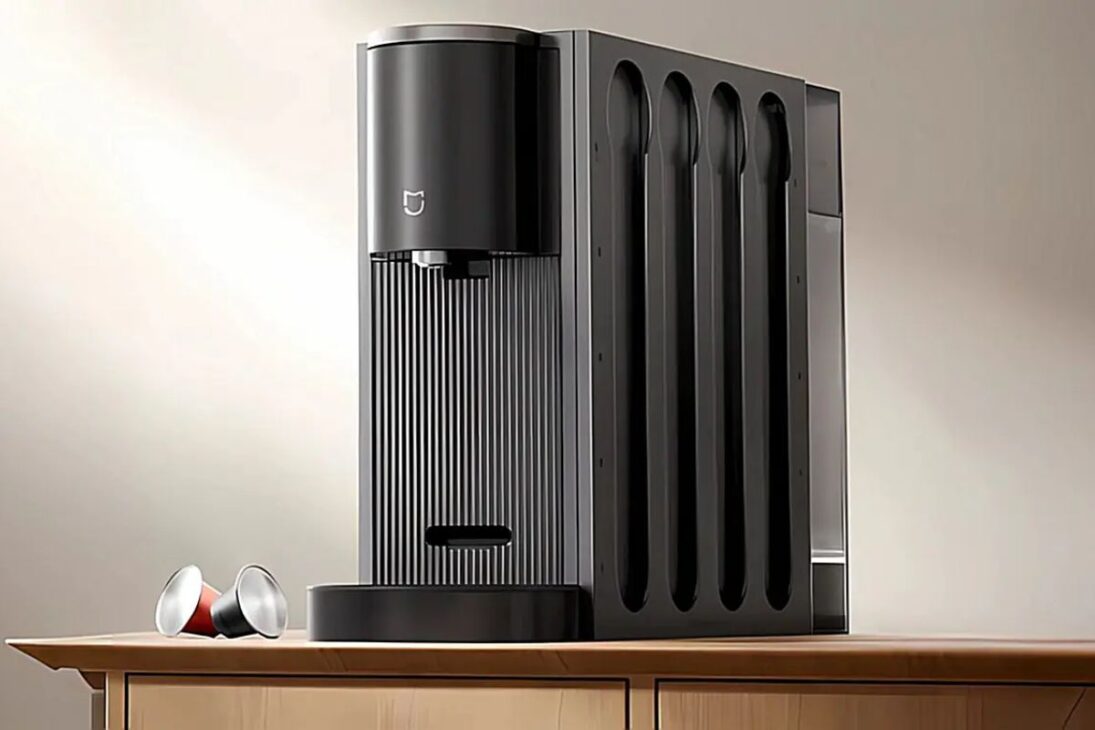
The Xiaomi Mijia S1 coffee maker is recommended for those who prefer speed. With 20 bar pressure, it heats in just 25 seconds thanks to the 1250 W system. The 600 ml reservoir offers two preparation measures (40 ml or 110 ml), and the magnetic holder stores up to 20 capsules.
-
The last weekend of April will bring heavy rain and temperatures plummeting to near 0°C in the mountains of the South, and anyone who thought the cold only arrived in May is in for a surprise.

-
Researchers walked 4.6 kilometers through the sertão of Paraíba and found hundreds of rock carvings scattered across rocks — what could be Brazil’s largest archaeological site was hidden on a rural property 20 km from Catolé do Rocha.

-
Engineers from Iceland descended 4,659 meters into an active volcanic zone, and the IDDP-2 project found supercritical fluids at 427 degrees and 340 bar of pressure, crossing the boundary where water ceases to be liquid or vapor and begins to concentrate energy at extreme levels.

-
Scientists have created inhalable microrobots with living cells to deliver drugs directly to the lungs, and the technology could cure respiratory diseases through the use of bio-hybrid machines capable of moving inside the body.





The Semi Automatic Espresso Machine is more complete. In addition to the same 20 bar pressure and NTC thermal sensor, it features advanced functions like low-pressure pre-infusion, an 8 mm milk frother, and a touchscreen panel. The water tank has a capacity of 0.9 L and the power increases to 1350 W.
Both are compact and designed for home use, with reduced dimensions and simple operation, making them a plus for those with limited kitchen space.
Comparison with Competitors and Brand Differentiators
The Xiaomi coffee maker stands out for delivering technologies usually found in more expensive models. The Mijia S1, for example, heats faster than rivals like the Nespresso Essenza Mini and delivers superior pressure (20 bar vs. 19 bar). The magnetic storage is also a differentiator.
The Semi-Automatic version is even more impressive: it combines features typical of semi-professional models like those from Lelit and Rancilio, but at a much more accessible price. Pre-infusion, efficient frothing, thermal control, and a stainless steel body are attractive for those seeking quality without overspending.
How Much Do Xiaomi Coffee Makers Cost?
Since there is no official sale in Brazil, the Xiaomi coffee maker needs to be imported. Prices vary depending on the site and shipping, but the base values are:
Mijia S1 (capsules): about US$ 70 (R$ 355), reaching between R$ 700 and R$ 900 with fees;
Semi Automatic Espresso: ranges between US$ 180 and US$ 200, totaling between R$ 1,000 and R$ 1,200 with taxes.
Both can be found on sites like Amazon and AliExpress. The lack of official technical support in Brazil should be considered in the cost-benefit analysis.
Is the Xiaomi Coffee Maker Worth It?
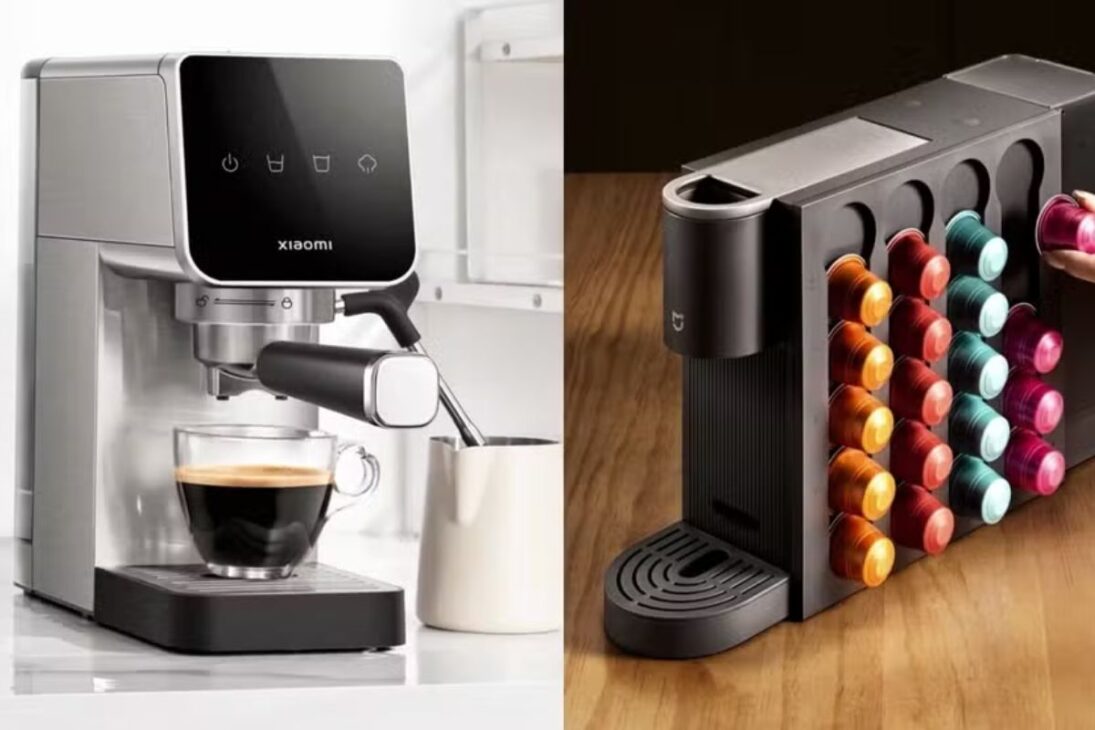
Importing a Xiaomi coffee maker requires attention to shipping, warranty, and electrical compatibility. Even so, the investment may pay off. The models offer good performance, solid finish, and advanced features, often absent in competitors within the same price range.
For those seeking convenience, the Mijia S1 is quick, quiet, and easy to clean. The Semi Automatic, on the other hand, is ideal for those who value control in preparation and want to replicate the café experience at home.
Thinking of importing a coffee maker from Xiaomi? Which model makes the most sense for your coffee style?






Be the first to react!