Portuguese
  Spanish


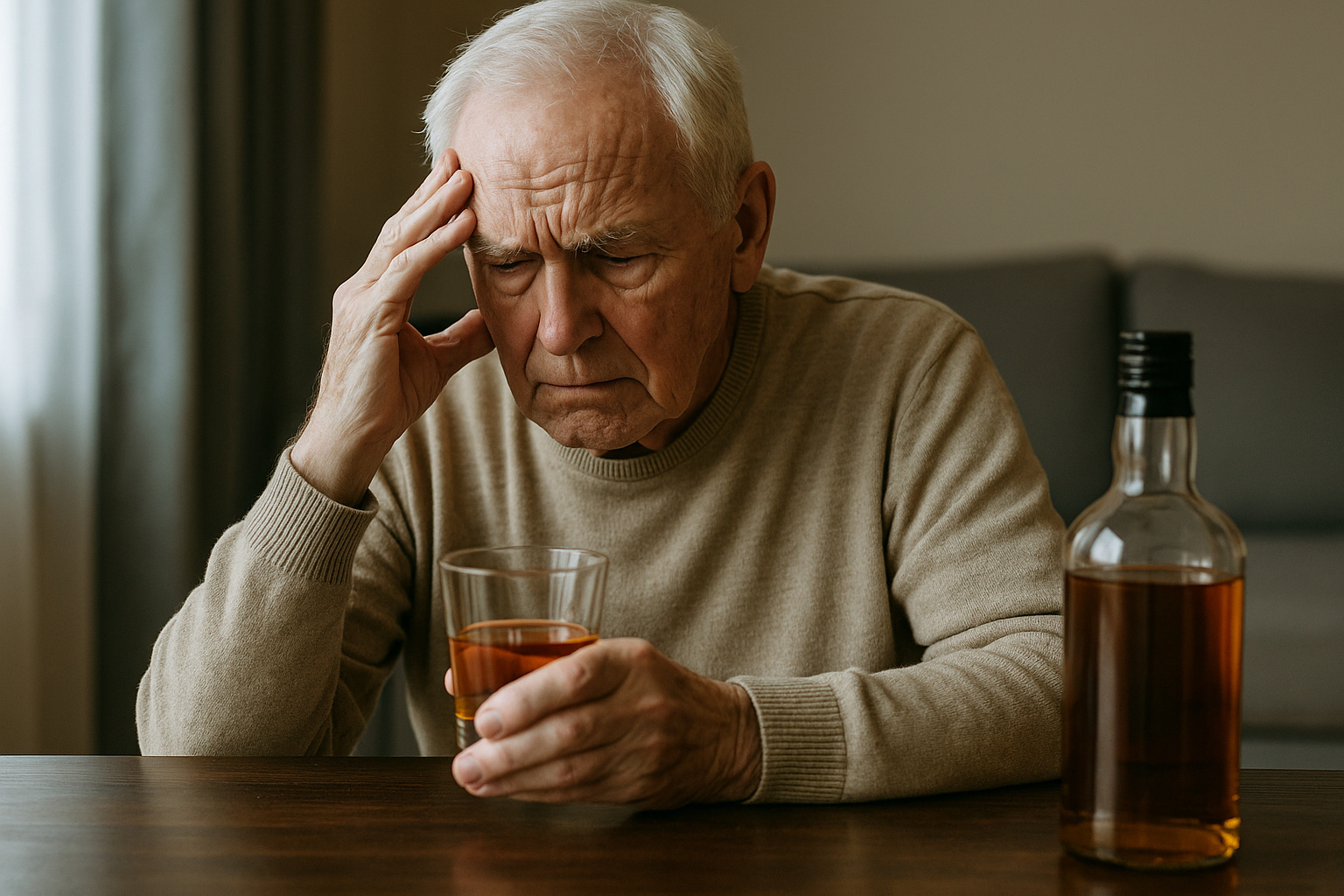


Neurologist Explains Why Alcohol Consumption Should Be Stopped During Aging to Avoid Irreversible Brain Damage
Alcohol consumption, although widely present in social routines, becomes significantly more dangerous with age. According to American neurologist Richard Restak, who presented these findings in a recent work, from the age of 65, alcohol has more severe impacts on the brain, as the body starts to lose neurons at an accelerated rate and thus requires maximum preservation of the structures responsible for memory, reasoning, and cognitive functions.
How Physiological Changes Amplify the Effects of Alcohol in the Elderly
The interpretation presented by Restak highlights that, in addition to natural aging, alcohol acts as a low-intensity neurotoxin, which nevertheless produces significant consequences in the nervous system. Furthermore, the specialist explains that the reduction in muscle mass and the lower amount of water in tissues intensify the action of the substance in the body after the age of 65. Thus, the same amount consumed previously can cause amplified effects, increasing the risk of falls, dementia, diabetes, and cardiovascular diseases.
Why Alcohol Tolerance Decreases After the Age of 65
In addition to these factors, bodily changes have reduced the tolerance of the elderly to alcohol. Therefore, what previously seemed harmless now triggers intense adverse reactions, as the aging body metabolizes the substance more slowly. Moreover, these changes place health in continuous alert, as they increase the possibility of accidents and exacerbate pre-existing clinical conditions.
-
Simple Aluminum Foil Trick Can Easily Remove Excess Ice from Freezer and Simplify Cleaning

-
College Dropout Turned Window Cleaner Builds $1 Million Cleaning Business with Subscription Model After 18 Years of Door-to-Door Work

-
North Korean Soldier Risks Crossing One of the World’s Most Dangerous Borders, Detained in South Korea

-
Stingless Bee Honey from Brazil Can Cost Up to $120 a Liter, Surprises with Flavors of Wood, Citrus, and Even Cheese


Interactions Between Alcohol and Medications Used by the Elderly
In addition, alcohol interacts negatively with medications frequently used in old age, such as anticoagulants. Consequently, this combination can increase the risk of internal bleeding, requiring constant medical monitoring. Moreover, treatments for chronic conditions such as hypertension and diabetes may have their effectiveness impaired, as the action of alcohol interferes with the absorption and effects of medications.
Clinical Consequences of Slower Metabolism
In addition to these effects, specialists explain that the metabolism of the elderly functions less efficiently, which further amplifies the impacts of alcohol. Thus, the weakened immune system reduces the body’s ability to respond to adverse interactions, as the elimination of the substance occurs more slowly, prolonging its effects in the body.
Situations Where Alcohol Consumption Becomes Especially Dangerous
There are specific situations where alcohol consumption can pose immediate risks, especially when the elderly are taking long-term medications. Therefore, any intake associated with medications that affect coagulation, blood pressure, or glucose levels can represent an elevated danger, as these treatments depend on metabolic stability. Additionally, inappropriate combinations may compromise balance and increase the chance of domestic accidents.
How Cognitive Aging Makes Alcohol Even More Harmful
Restak also explains that, during old age, accelerated neuronal loss makes the brain more vulnerable to toxins. Therefore, alcohol, even in small doses, can intensify damage to nerve cells, as it compromises areas associated with reasoning, memory, and cognitive processing. Furthermore, these changes may evolve silently and progressively, underscoring the need to cease consumption after the age of 65.
Studies Cited by the Neurologist Reinforce Risks to the Brain
Although Restak presents the topic in accessible language, the neurologist relies on research that points to cumulative effects of alcohol on the nervous system during aging. These studies highlight that continued exposure to alcohol causes structural damage that becomes more evident when neuronal loss is accelerated. Additionally, researchers emphasize the importance of preserving executive functions during this phase of life.
Changes in the Behavior of the Elderly in Light of the Risks
Finally, specialists explain that as risks become more widely known, medical recommendations for the elderly to cease alcohol consumption are increasing. Therefore, this guidance reinforces that the preservation of brain health should be a priority, as aging requires heightened attention to chemical interactions and the natural physiological changes of old age. Furthermore, doctors and caregivers have emphasized the importance of avoiding alcohol intake in the presence of any chronic clinical condition.