






 Portuguese
  Spanish
  5 min of reading
  0 comments


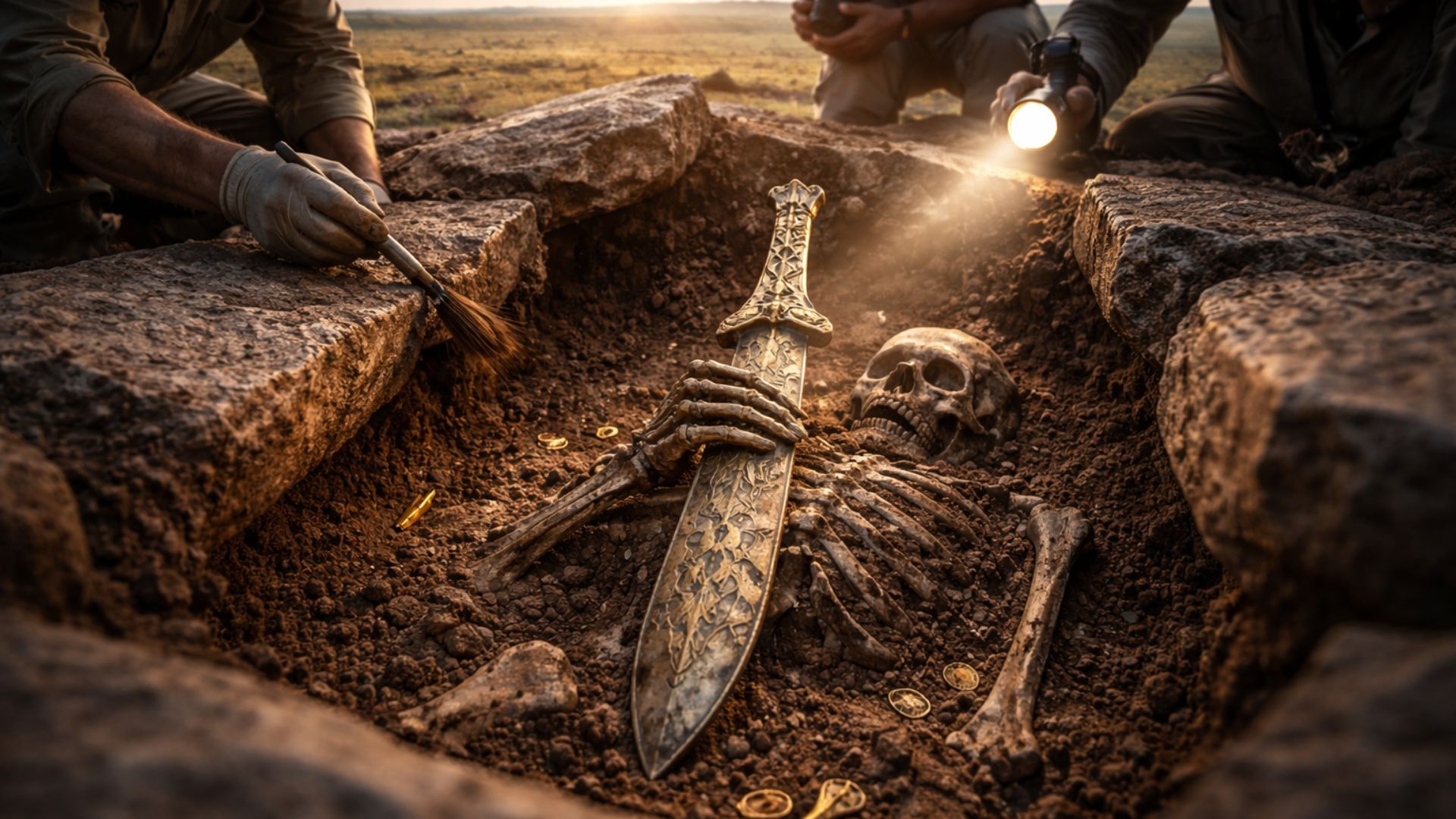
Rare archaeological discovery reveals intact tomb with sword in hand, refined bronze art, and indications of warrior elite in the steppes of Central Asia, offering new clues about funeral rituals and technology of the Saka people during the Iron Age.
An archaeological discovery in central Kazakhstan revealed an exceptionally preserved Saka tomb, dated to around 2,500 years ago, in which a warrior was found with a bronze sword still positioned in his right hand, indicating a rare degree of funerary integrity.
The find occurred at the Karabiye site, located in the Aktogay district of the Karaganda region, where researchers identified the so-called Kurgan No. 1, a funerary structure that has remained intact since the 7th to 6th centuries B.C., with no signs of looting or disturbance.
Under layers of carefully arranged stone slabs, archaeologists found the skeleton in a preserved anatomical position, maintaining the ritual arrangement typical of Saka funerary practices, which allowed for a detailed reading of the customs of this nomadic society.
-
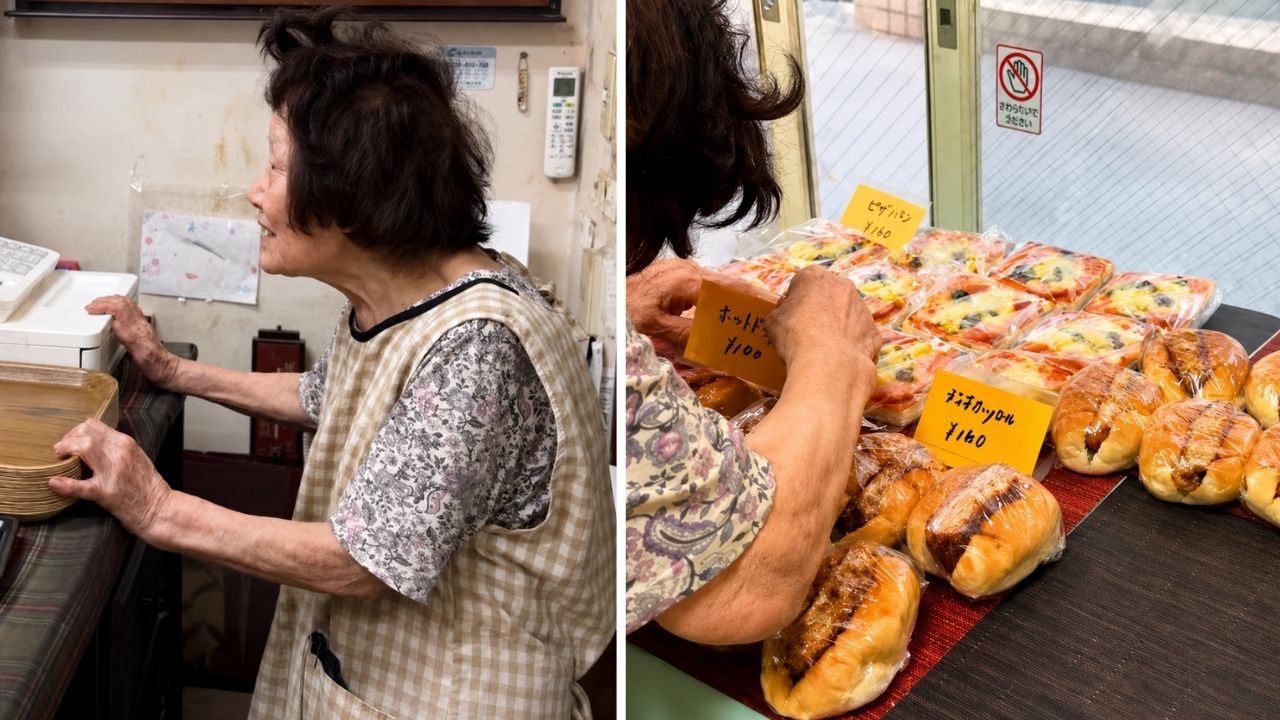
An 84-year-old mother wakes up before midnight in Japan, keeps a family bakery open for 55 years, and sells cheap handmade bread; the shop in Fukuoka produces up to 400 units a day with the help of her son.

-
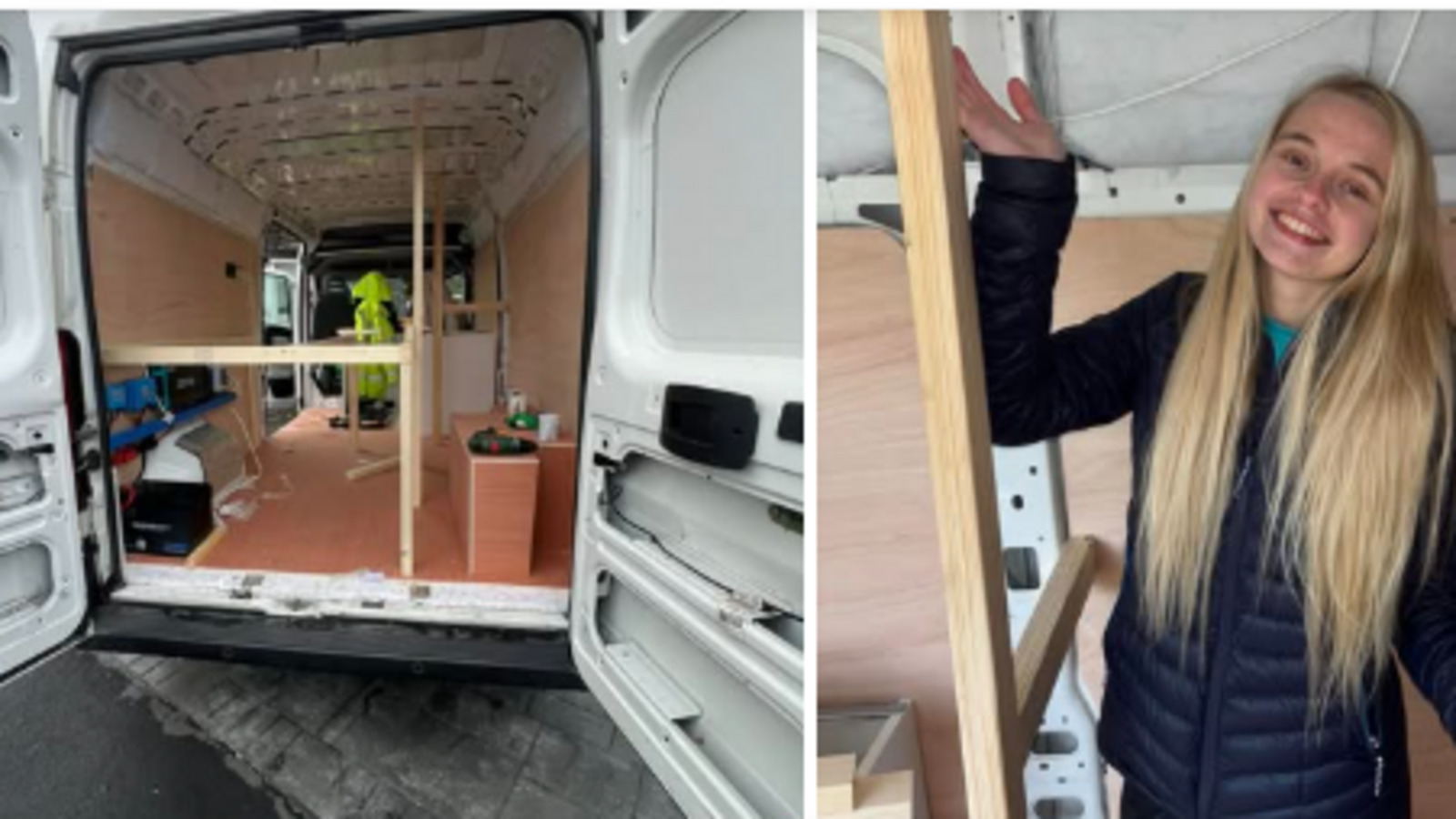
Tired of seeing her salary disappear with the mortgage, a 24-year-old sells her £125,000 house, buys a van for £13,000, invests £6,000, transforms the vehicle into a home, and decides to live on the roads of Europe.

-
As the polar cold wave freezes the South this week, archaeology reminds us how the Kaingang dug underground houses on the Santa Catarina plateau to survive frosts millennia ago.

-
Federal Police involved in the case to identify the person responsible for hacking the Civil Defense system, which sent ten false alerts, frightened residents of different capitals, and turned messages about real risks into notifications with “misanthropy” and even alien attacks.



According to Dauren Zhussupov, head of the Archaeology Department at the Regional History Museum of Karaganda, the team had not encountered a tomb with this level of preservation in many years, highlighting the rarity of the discovery in the regional archaeological context.

The identified sword is an akinak, a short weapon characteristic of the Saka elites, approximately 30 centimeters in length, double-edged blade, and elaborate decoration, suggesting not only military function but also symbolic value and elevated social status.
Saka metallurgy and symbolism in the bronze sword
The initial analysis of the piece revealed complex ornamental details, including representations of birds of prey typical of the steppes and argali horns, elements often associated with strength, vigilance, and freedom within the iconography of these nomadic populations.
According to archaeologist Arman Beissenov, the sword can be considered a masterpiece of ancient metallurgy, both for its technical quality and aesthetic uniqueness, as there is no record of a similar specimen previously found in the territory of Kazakhstan.
The presence of these symbols reinforces the idea that weapons among the Sakas transcended their utilitarian function, also serving as markers of identity, spirituality, and social status, especially among elite warriors or tribal leaders.
Similar motifs have been observed in archaeological finds such as the so-called “Golden Man,” discovered in the kurgan of Issyk, suggesting a shared visual language among different Saka groups across the steppes of Central Asia.
Funeral objects reveal the status of the Saka warrior
In addition to the sword, the tomb contained five metal arrowheads and a gold earring, objects that may have been used by the warrior in life or deposited as offerings to accompany him in the afterlife, according to known funeral traditions.

The inclusion of precious metal items reinforces the hypothesis that the individual held a significant social position, possibly as a military leader, tribal chief, or member of a warrior elite within the social structure of the Sakas.
These peoples were known for their skill as mounted archers, playing a significant role in the military dynamics of the steppes, with tactics that favored mobility, precision, and quick attacks, often described by authors of antiquity.
Historical accounts attributed to Herodotus describe the Sakas as disciplined and effective fighters, capable of facing larger forces through strategies adapted to the steppe environment, solidifying their reputation as one of the most influential warrior cultures in the region.
Scientific analyses and archaeological relevance in Kazakhstan
The intact state of the tomb allows for a series of scientific analyses that would be difficult to achieve in disturbed archaeological contexts, including metallographic examinations to identify the composition of the sword alloy and manufacturing techniques used.
Radiocarbon studies should confirm the dating of the burial with greater precision, while anthropological analyses may provide information about age, sex, possible diseases, and physical characteristics of the individual found at the site.
This data can contribute to the understanding of trade routes and technological exchanges that existed during the early Iron Age, a period marked by intense circulation of knowledge and materials among different Eurasian cultures.

Researchers involved in the project indicate that the results of these analyses should be released in the coming months, expanding the understanding of the social organization and technical advances of the Saka populations during that historical period.
In recent years, Kazakhstan has established itself as an area of great relevance for Eurasian archaeology, with various discoveries associated with the so-called “Golden Men,” figures buried with rich metal adornments that help reconstruct regional history.
Unlike many of these finds, which often show signs of violation or looting over the centuries, the Karabiye tomb stands out precisely for its complete preservation, offering a continuous and reliable record of ancient funerary practices.
This level of integrity provides researchers with a rare opportunity to directly observe how the Saka organized their burial rituals, including the arrangement of objects and the position of the body, without later interference.
The discovery also reinforces the importance of preservation initiatives and archaeological research in the region, which continue to reveal aspects that are still little known about the societies that inhabited the steppes of Central Asia over two millennia ago.


Be the first to react!