






 Portuguese
  Spanish


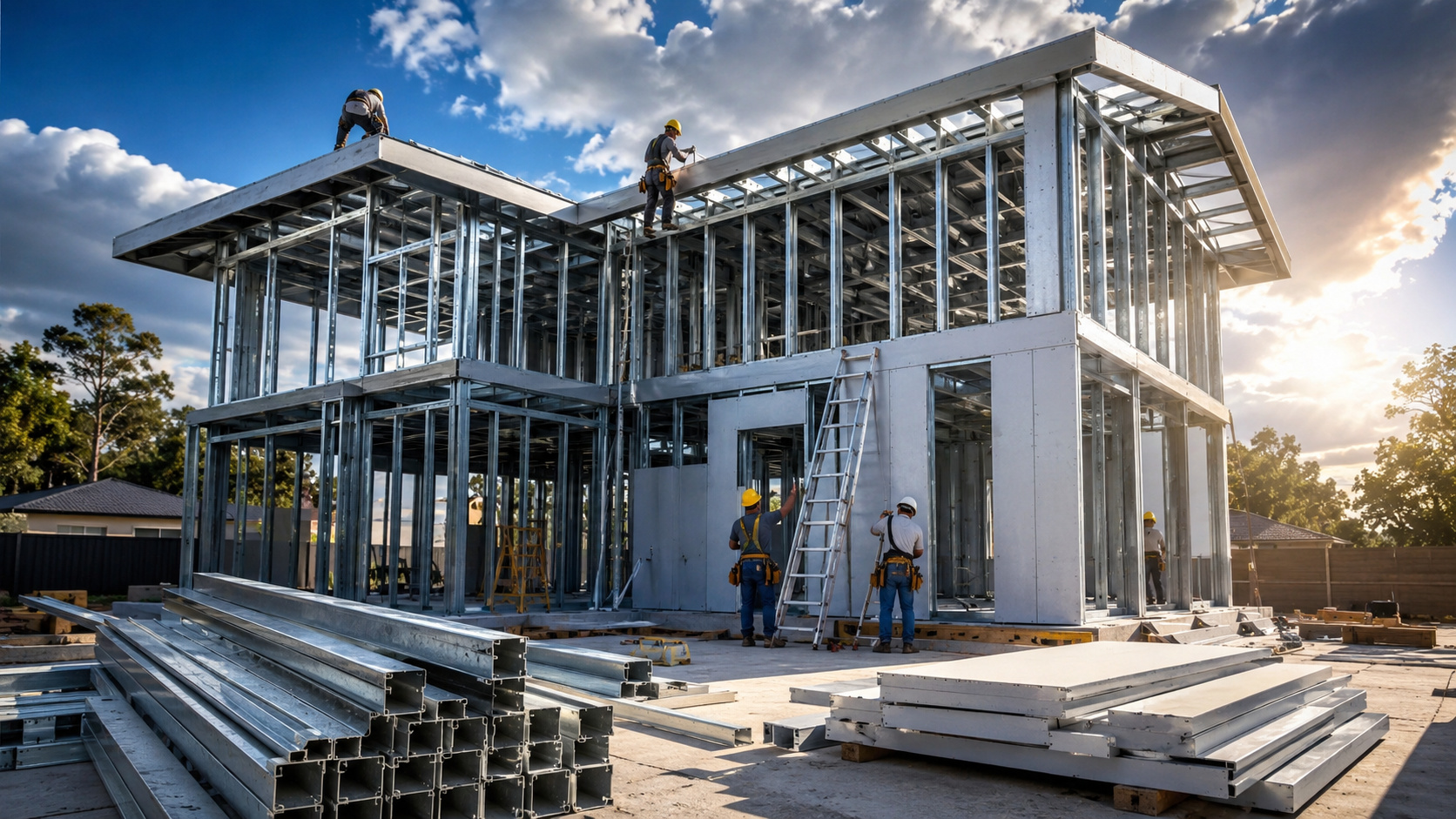
Steel frame costs between R$ 2,800 and R$ 4,500 per m² in Brazil in 2026, reduces waste, speeds up construction, and can now be financed by Caixa after ABNT NBR 16970 standard.
According to Olhar Digital, steel frame, a construction system based on light galvanized steel profiles assembled in an industrialized manner, costs between R$ 2,800 and R$ 4,500 per square meter installed in Brazil in 2026. For a compact 60 m² house, this represents an investment between R$ 168 thousand and R$ 270 thousand, depending on the finishing standard and region.
The value per square meter is similar to that of conventional masonry when considering the complete construction. SINAPI registered an average cost of R$ 1,810.25 per m² in March 2025 for materials and basic labor only, without including special foundations, projects, finishes, waste, and unforeseen events.
The difference with steel frame is not just in the initial price, but in what happens around the construction. Masonry can generate 25% to 30% material waste, while steel frame typically stays between 3% and 5%. A masonry house can take up to 12 months to be delivered, while a steel frame house is ready, on average, between 5 and 7 months.
-
Architect Uses 7,000 Clay Tea Cups to Create Natural Air Conditioning, Cooling House by 5°C and Reducing Energy Bills

-
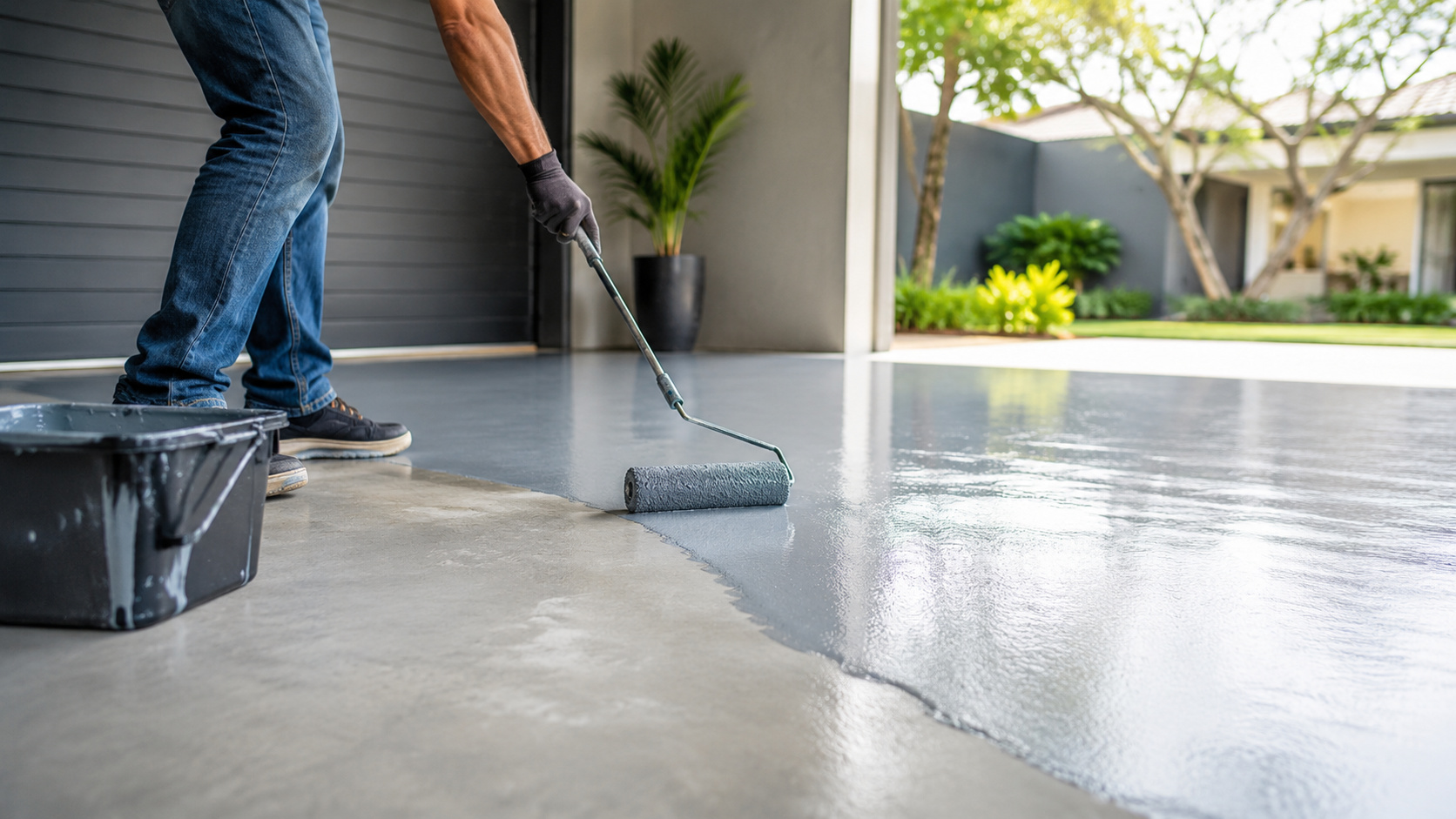
New Trend in Home Renovations: Painting Concrete Floors Enhances Durability, Cuts Maintenance Costs, and Modernizes Spaces Quickly

-
Denver’s “Housing First” Approach Reduces Homeless Population by 64% in Three Years: 2026 Census Finds Only 518 People on Streets, 7,700 Moved to Permanent Housing
-
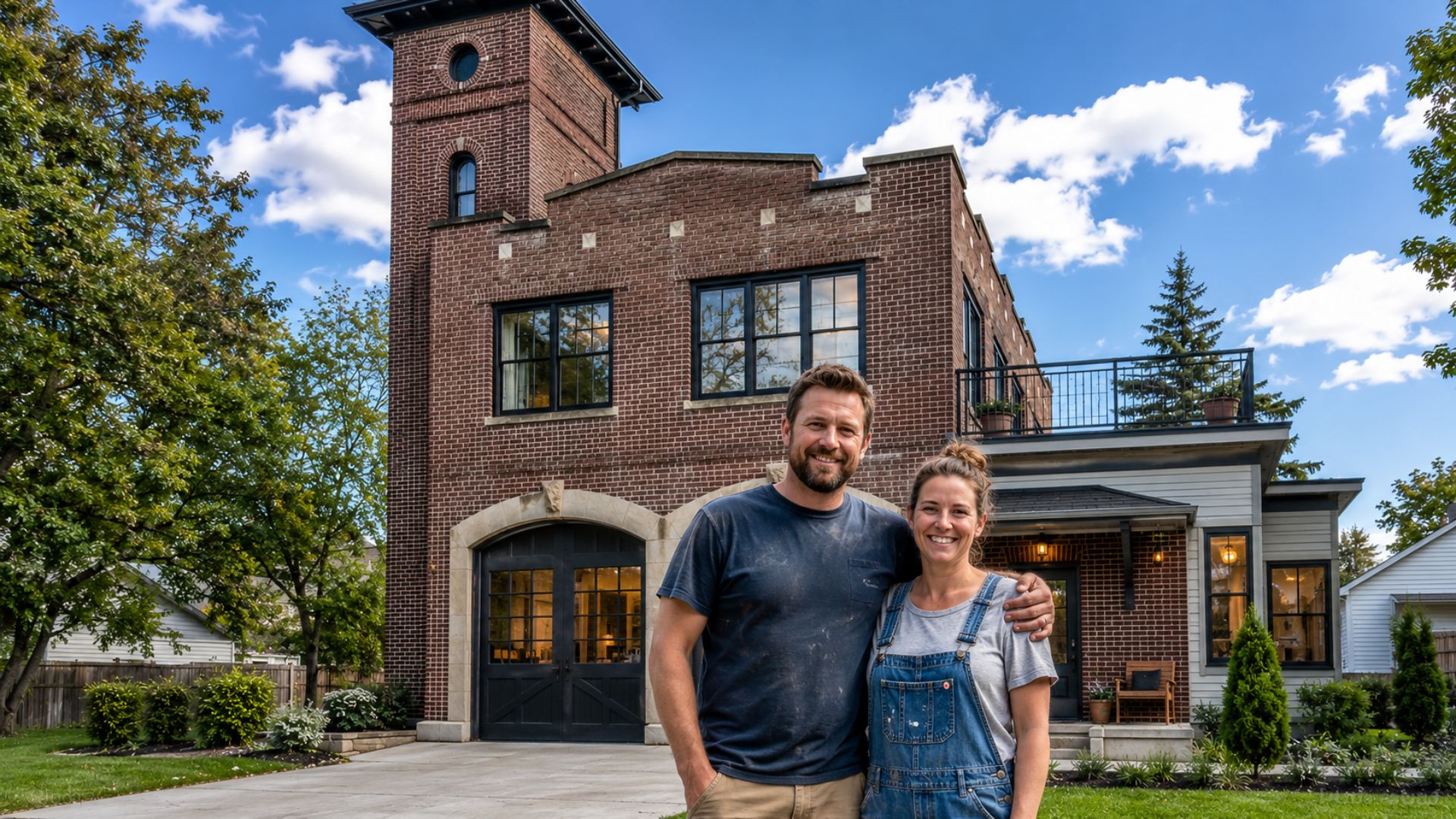
Couple Transforms Abandoned Fire Station into Dream Home After a Decade of DIY Renovations


What is steel frame and how does construction with galvanized steel work
Steel frame is a construction system that uses light galvanized steel profiles as the building’s skeleton. The pieces are prefabricated in a factory with the exact project measurements and assembled on site like a structural puzzle, forming walls, floors, and ceilings.


The system combines five main layers: galvanized steel structure, OSB boards, waterproof membrane, glass wool or PET wool, and cement or plaster boards. Each layer has a specific function for resistance, sealing, thermal-acoustic insulation, and finishing.
The result is a lighter wall than conventional masonry. This weight reduction decreases the load on the foundation, allows for simpler structural solutions, and can enable construction on terrains where brick and concrete would require more expensive works.
Steel frame can reduce the total cost of construction compared to masonry
Comparing steel frame and masonry solely by the price per square meter can lead to an incomplete calculation. Steel frame costs between R$ 2,800 and R$ 4,500 per m² installed, while the SINAPI value for masonry considers basic materials and labor, without all indirect costs.

In masonry, waste can reach 30% of the total budget. For a R$ 108 thousand construction of 60 m², this represents about R$ 32 thousand in cement, brick, sand, and mortar discarded as rubble. In steel frame, waste typically stays between 3% and 5%.
Another point is construction time. Each month of construction means rent, financing, open construction site, equipment, and indirect labor. A steel frame house delivered in less time reduces hidden costs that a simple comparison per m² does not show.
ABNT NBR 16970 standard unlocked steel frame financing by Caixa
The main historical barrier to financing a steel frame house was bureaucratic, not technical. Previously, the system required special documentation, such as technical dossiers and additional evaluations, which made it difficult to approve housing financing.
The publication of ABNT NBR 16970, in May 2022, established general requirements for the design and dimensioning of the system’s steel structures. As a result, steel frame began to be treated as a conventional construction system within Brazilian technical legislation.
In practice, Caixa’s financing in 2026 can follow the same path as traditional construction. Owning land allows financing up to 100% of the work, while buying land plus construction can finance up to 80%, with a term of up to 30 years and the possibility of using FGTS.
Steel frame houses have thermal and acoustic insulation built into the walls
One of the advantages of steel frame is that thermal and acoustic insulation is already part of the wall. In conventional masonry, the brick alone does not deliver the same performance without additional solutions.
To have more thermal comfort in masonry, the owner needs to invest in insulating ceilings, roofs with an air chamber, or external insulation. For acoustic comfort, it may be necessary to use thicker walls or specific systems, increasing the final cost.

In steel frame, glass wool or PET wool installed between the profiles fulfills both functions. According to data cited in the base text, this composition can generate savings of up to 30% in heating or cooling, depending on the climate, design, and use of the house.
Steel frame price varies by region, finish, and specialized labor
The price of R$ 2,800 per m² does not apply to all projects or all regions. Specialized companies indicate that the popular standard can start from values close to R$ 3,015 per m², with simple ceramic tiles, acrylic paint, and standard aluminum frames.
Mid-range projects can vary between R$ 4,000 and R$ 5,200 per m², with porcelain tiles, better countertops, and superior finishes. High-end projects can exceed R$ 5,200 per m², especially when including home automation, marble, landscaping, and customized solutions.
The region also impacts the budget. The South and Southeast concentrate more suppliers and skilled labor, which tends to reduce cost and time. In areas far from large centers, freight for profiles and a shortage of assemblers can increase the price by 10% to 20%.
Steel frame, wood frame, and masonry have important differences in structural cost
The galvanized steel used in steel frame costs more than the structural wood used in wood frame. According to the base text, the steel structure can cost around R$ 900 per m², compared to approximately R$ 450 per m² for equivalent wood.

Those who choose wood frame can save about 15% on the total cost of the work, but forgo the additional longevity associated with galvanized steel. The decision depends on the budget, climate, supplier availability, and desired standard.
The structural warranty for works delivered with a registered ART is 5 years under Brazilian legislation, for both steel frame and wood frame. The choice between systems should consider cost, durability, maintenance, available labor, and delivery time.
Steel frame gains ground by combining fast construction, less waste, and conventional financing
The advancement of steel frame in Brazil is linked to three factors: faster construction, less waste, and simpler financing after the ABNT NBR 16970 standard. These points make the system more competitive for compact homes, urban constructions, and projects with tight deadlines.
Masonry remains dominant, but steel frame solves problems that increasingly impact the budget: debris, rework, delays, fragmented labor, and indirect costs. In a 60 m² construction, the difference in deadline can represent months less in rent and parallel expenses.
The final cost depends on the project, the finish, and the region. Even so, steel frame has ceased to be an experimental solution and has begun to compete with conventional construction as an industrialized, financeable, and more predictable alternative.





Be the first to react!