






 Portuguese
  Spanish


A bridge could collapse at any moment in the United States, and almost no one is talking about it.
The Lewis and Clark Bridge, inaugurated on March 29, 1930, is celebrating 95 years connecting the cities of Longview, Washington, and Rainier, Oregon, over the Columbia River.
Designed by engineer Joseph Strauss, the same person who designed San Francisco’s Golden Gate Bridge, the structure was considered a masterpiece of American engineering.
-
Two-Bedroom Home Built in a 40-Foot Shipping Container Delivered and Ready for Same-Day Living in São Paulo Countryside

-
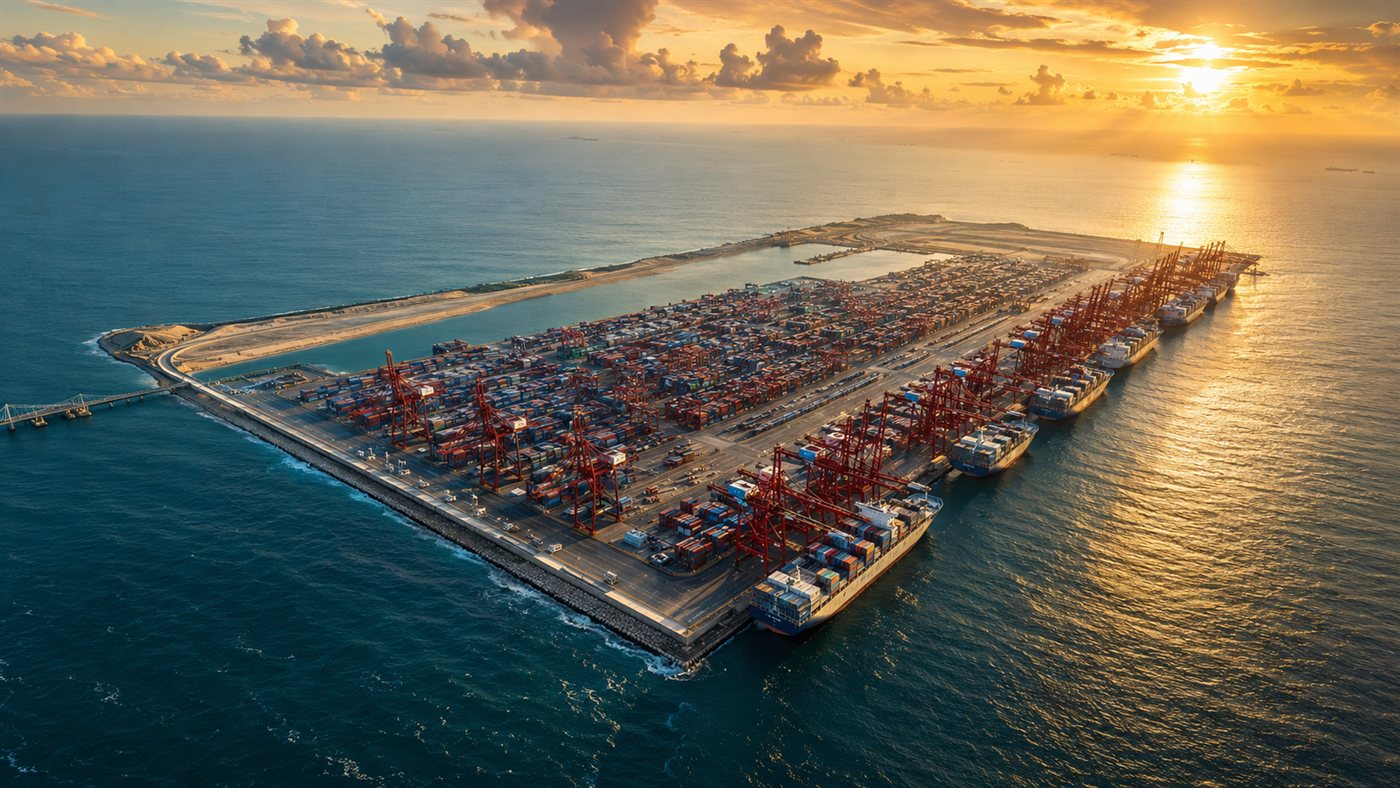
China Constructs Artificial Island 32 km Offshore for Yangshan Port, Connected to Shanghai by 32 km Bridge, Unloading 3,000 Containers in 20 Hours
-
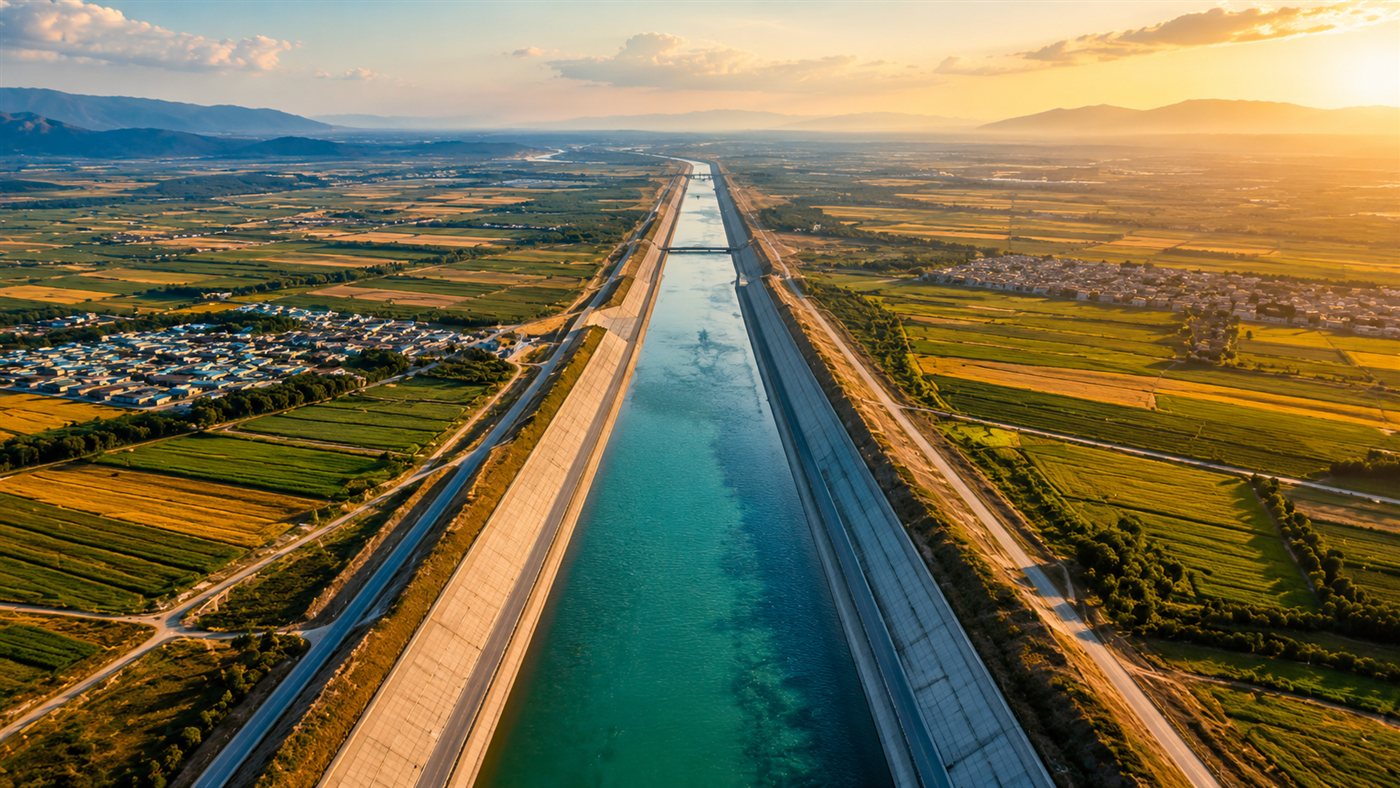
China’s $70 Billion River Diversion Project, the World’s Largest, Moves 44.8 Billion Cubic Meters Annually, Crosses Under the Yellow River, and Displaced 330,000 People
-
Indian Driver Spends 14 Years Digging 10-Meter Tunnel Through Mountain to Connect Isolated Village to the World



- Inauguration: March 29, 1930 — 95 years of operation
- Connection: Longview (Washington) × Rainier (Oregon) over the Columbia River
- Designer: Joseph Strauss — same engineer as the Golden Gate Bridge
- Type: Steel cantilever bridge, with central lift span
- Traffic: Only road crossing for miles in the section
Its 2,500 meters total length includes a 366-meter cantilever truss main span, the longest in North America at the time of construction.
The bridge was built 64 meters above water level to allow the passage of large sailboats with tall masts.
At the time, the American Congress required a channel width of 305 meters and a vertical clearance of 59 meters at the highest point of the central span.
More than 12 thousand tons of steel were used in the assembly of the trusses, and 180 thousand cubic meters of gravel and rock were dredged from the riverbed to build the foundations of the piers.
But what was safe in 1930 has become a trap in 2026.

Ships have doubled in size, but the bridge could collapse because nothing has changed
Since the modern navigation channel was completed next to the bridge’s east pier, ships traveling on the Columbia River have doubled in size.
Cargo vessels that were once 150 meters long now reach over 300 meters in length.
Cruise ships exceed 1,000 feet in length, with heights approaching 60 meters.
The problem is that the bridge has not kept pace with this evolution.
The structure does not have air clearance sensors, which would inform river pilots of the exact distance between the top of the ship and the bottom of the bridge.
Without this technology, pilots navigate practically in the dark when it comes to assessing vertical safety margins.
An incident in 2022 illustrates the seriousness of the situation.
The cruise ship Celebrity Eclipse, 317 meters long, passed under the bridge with what pilots estimated to be 1.25 meters of clearance.
Later, considering the natural deflection of the bridge and variations in water level, they discovered that the actual clearance may have been only 33 centimeters.
Thirty-three centimeters separated a cruise ship from a structural catastrophe.
The east pier never received protection against ship collision
And here’s the most alarming detail: the east pier of the Lewis and Clark Bridge, the one closest to the navigation channel, has never received protection against vessel impact.
The bridge once had a wooden fender system, installed decades ago.
But this system, after 40 years of deterioration, was removed around 1992 and replaced only by rubber bumpers.
Rubber bumpers against 100,000-ton ships.

If a ship hits any part of this bridge, it will come down entirely, exactly as happened with the Francis Scott Key Bridge in Baltimore.
The comparison is not exaggerated.
In March 2024, the container ship Dali lost engine power and collided with a pier of the Key Bridge in Baltimore, causing the total collapse of the structure and the death of six workers.
The Longview bridge is at even greater risk because it does not have concrete barriers around the piers to prevent direct impacts.
Unlike the Baltimore bridge, which at least had protective dolphins — concrete structures with steel piles filled with tremie concrete — the Lewis and Clark Bridge has nothing.
Engine failures happen twice a month on the Columbia River
Columbia River pilots report an average of two engine failures per month across the entire river system.
These are ships that simply lose propulsion power while navigating near bridges, docks, and other critical structures.
On the first weekend of February 2026, a ship heading to the Pacific from the Port of Longview lost power right next to the Lewis and Clark Bridge.
If that ship had drifted a few meters to the side, the unprotected pier would have been hit squarely.
There is no margin for error when it comes to vessels hundreds of meters long losing control near a 95-year-old structure without any protection.
The scenario is identical to what preceded the Baltimore disaster.
The same combination of large ship, mechanical failure, and vulnerable pier.
NTSB report classifies bridge as unknown risk
A 2025 report by the National Transportation Safety Board, the American transportation safety agency, identified the Lewis and Clark Bridge as a special case.
Along with the Astoria-Megler Bridge, it is the only bridge classified as critical







