






 Portuguese
  Spanish
  4 min of reading
  24 comments


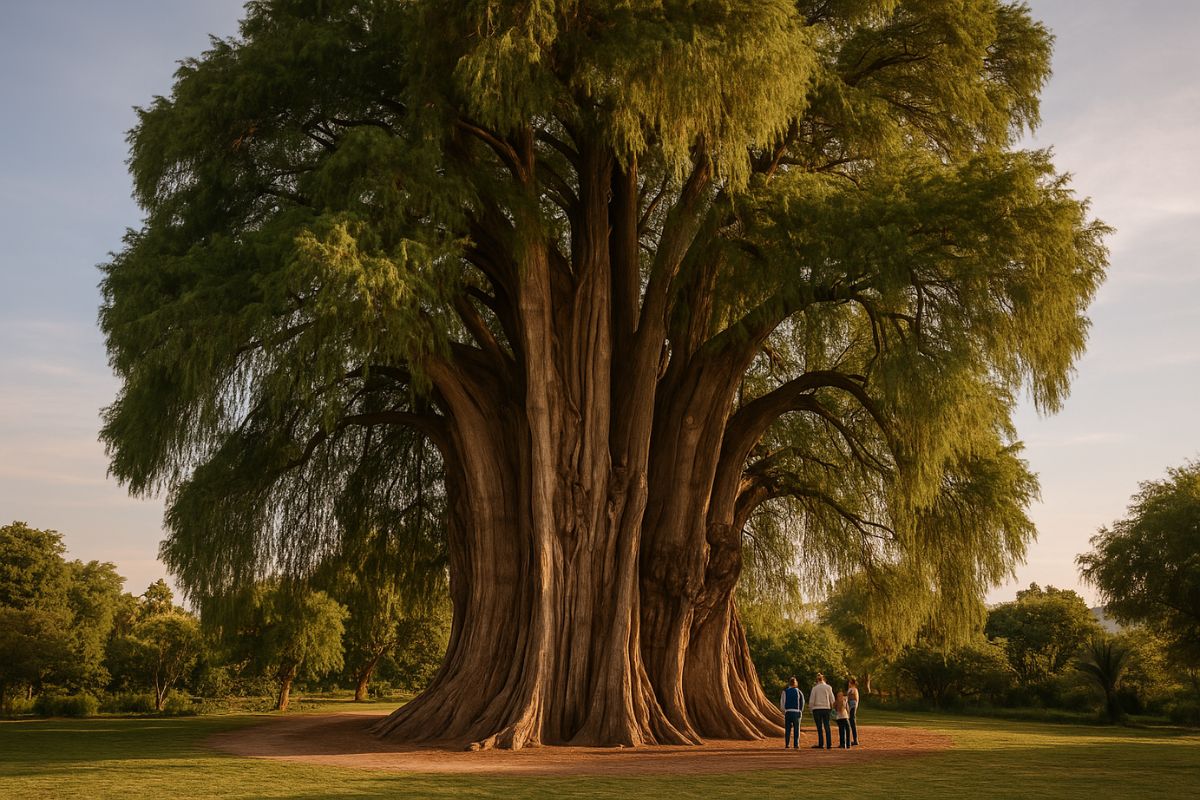


It Survived Empires, Climate Changes, and Centuries of Transformation. Weighing 600 Tons and with a Diameter as Large as a House, This Tree is a Living Testament to Natural Resilience
In the southern region of Mexico, in the heart of Latin America, a living being defies time, logic, and even biology itself. This is the Árbol del Tule, a plant colossus with a trunk so wide that it could house a small home inside. It impresses not only with its dimensions but also with its ancient age and being one of the most respected and preserved natural jewels on the continent.
A Giant with a Mexican Soul
Located in the village of Santa María del Tule, in the state of Oaxaca, the Árbol del Tule is a Mexican tree of the species Taxodium mucronatum, popularly known as Montezuma cypress. But forget everything you know about trees. This specimen, in particular, breaks all the molds: it has a 58-meter circumference, 14-meter diameter, 40-meter height, and an estimated weight of 600 tons. In comparison, it is wider than many tanks and heavier than a locomotive.
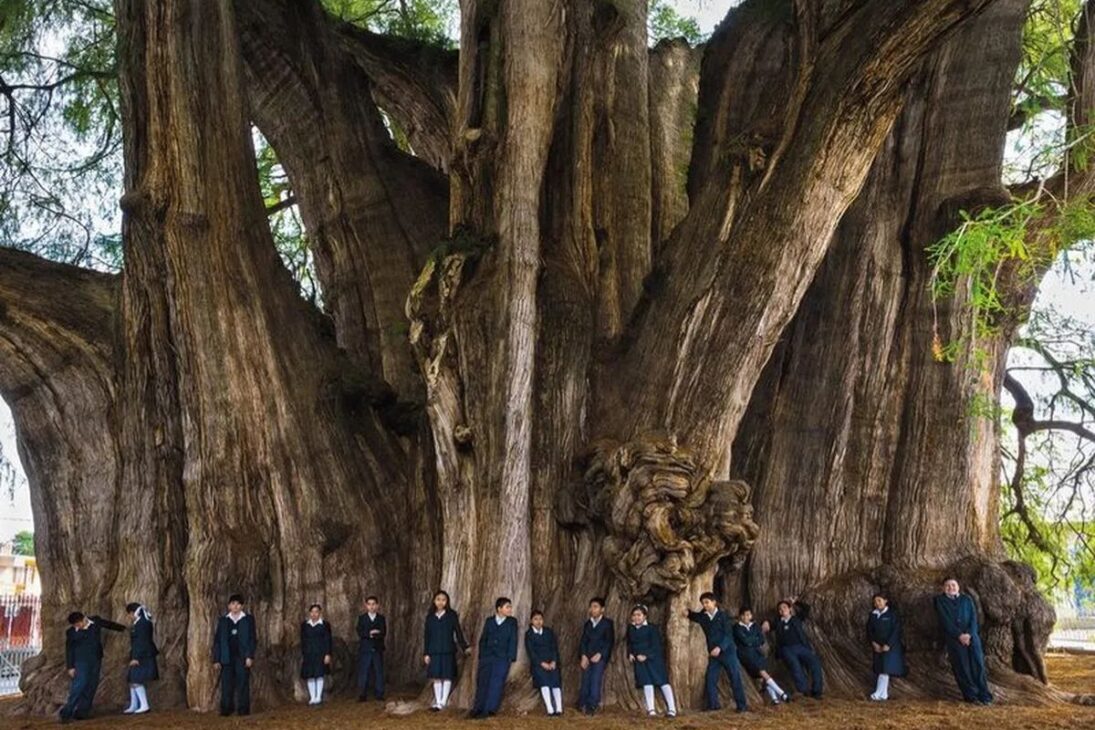
To give you an idea, the trunk is so thick that children and adults form circles around it trying to hug it — and even then, they can’t. It’s as if nature placed there, in Latin American soil, a living reminder of its strength and history.
-
Intrigued by the resistance of Amazonian fish in warm, acidic, and low-oxygen waters, a scientist from INPA turned the rivers of the Amazon into a natural laboratory and has just gained international recognition.

-
Florida goes after Burmese pythons in the Everglades, removes 3.7 tons of invasive snakes, and prevents more than 4,000 hatchlings from being born in the swamps.

-
The Brazilian woman who may be the oldest living person on the planet is 119 years old, lives in Itaperuna, in the state of Rio de Janeiro, likes bananas, does not use medication, and is now facing a race against lost documents to enter the Guinness World Records.

-
Brenda dropped out of college due to a high-risk pregnancy and, years later, she achieved her long-awaited diploma alongside her twin daughters.




How Long Does a Legend Live?
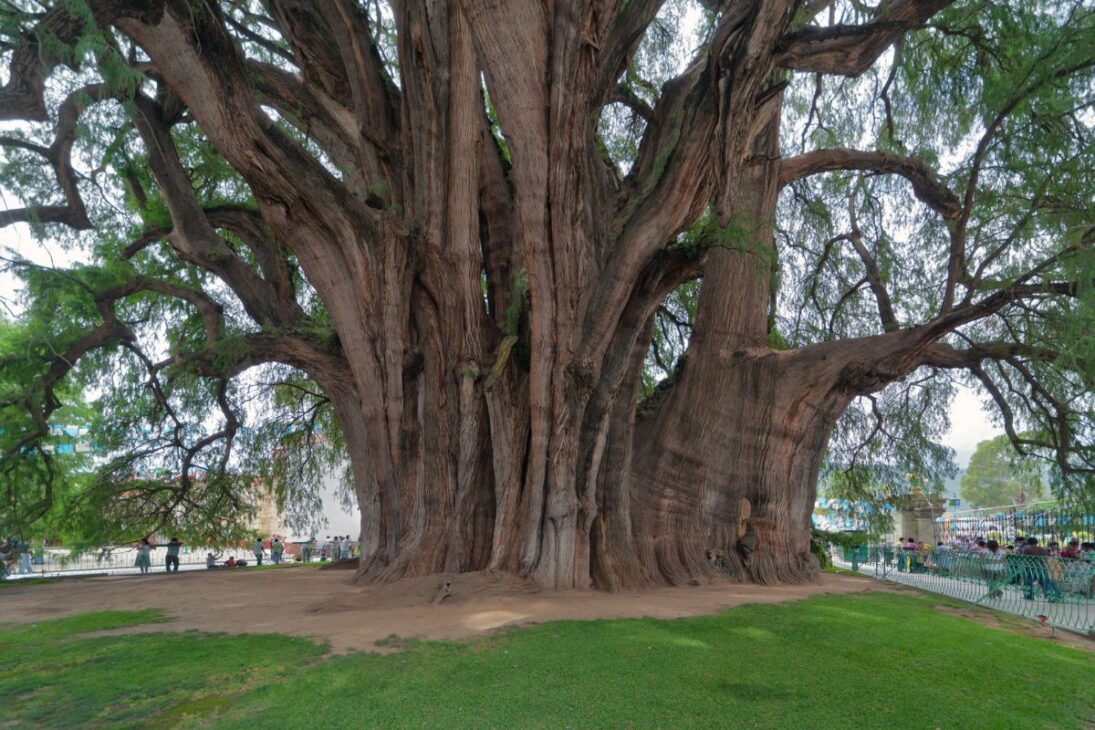
The age of the Árbol del Tule is still a topic of debate among scientists and botanists. Estimates suggest it is between 1,500 and 2,000 years, placing it among the oldest living beings on the planet still standing. It was already there when the Roman Empire existed, and it survived colonization, wars, and climate changes.
In addition to its impressive longevity, the trunk of the Tule is full of curiosities: on its bark, figures resembling animals can be seen, such as lions, elephants, deer, and even human faces. This is not an optical illusion — these are natural formations that have fed the imagination of visitors and communities around for centuries.
Hidden Strength Beneath the Ground
The secret behind this giant is not only in what is seen. What really keeps the Árbol del Tule standing for so many centuries lies hidden beneath the ground. Its roots spread widely and deeply, absorbing water from a nearby spring, which is, according to locals, its “sacred source.” This constant access to water protects it from the severe droughts common in the region.
Some say that the Tule may not be a single tree but rather several specimens that have fused over time — a kind of collective organism that has survived through unity. This theory reinforces the idea that it is much more than just a tree: it is a testament to nature, resilience, and adaptation.
A Whole World in a Tree
More than just a tourist attraction, the Árbol del Tule is a living microcosm. In its branches, trunk, and roots, birds, small mammals, insects, and even rare mosses inhabit, forming a complete and balanced ecosystem. The tree is, literally, a home.
Even with the passing of the seasons, it responds to time like any other living being. It loses some leaves in autumn and winter, as if entering a slumber after carrying so many centuries in its biological memory.
This tree is so important that it has been declared Cultural Heritage of Oaxaca, and protected by local environmental laws. Schools in the area make educational visits to the site, and many artists are inspired by the Tule to create paintings, songs, and poems.
Ecological Tourism and Reverence
Every year, thousands of tourists from Mexico and around the world visit Santa María del Tule to see this natural monument. But it’s not just about taking photos for Instagram. For many people, being in front of the Árbol del Tule is a spiritual experience, almost mystical. It’s like looking into the eyes of the very history of Latin America.
The Mexican government, through the National Institute of Anthropology and History (INAH), promotes preservation and environmental education actions in the region, ensuring that this natural treasure continues to stand for many more millennia.






Quando foi que cortaram ela pra saber o peso😂
Cálculo de volume. Basta uma amostra, de onde se obtém o peso específico. Aplica-se a regrinha de três e vem o resultado.
Alguém está enxergando o tronco como um círculo perfeito? Não né!
Portanto devem ser valores médios aproximados, logo não são exatos.
Então… segue a vida e a curiosidade.
Na verdade são as rugosidades que causam as curvas para dentro e para fora que dão essa diferença a maior na medida da circunferência já que a do diâmetro máximo não corresponde ao seu cálculo e também deve ter múltiplos valores menores conforme o local que for tangencionado.
Pessoal está preocupado com a cicuferência da arvore. Deve ter tido erro de calculo , ou fez uma medição de qualquer jeito